

Mid-dune
Immediately landward of the foredune is the slightly more sheltered mid-dune zone. This semi-stable transition zone is dominated by a limited number of low-growing, hardy, wind-tolerant natives.
Mid-dune plants
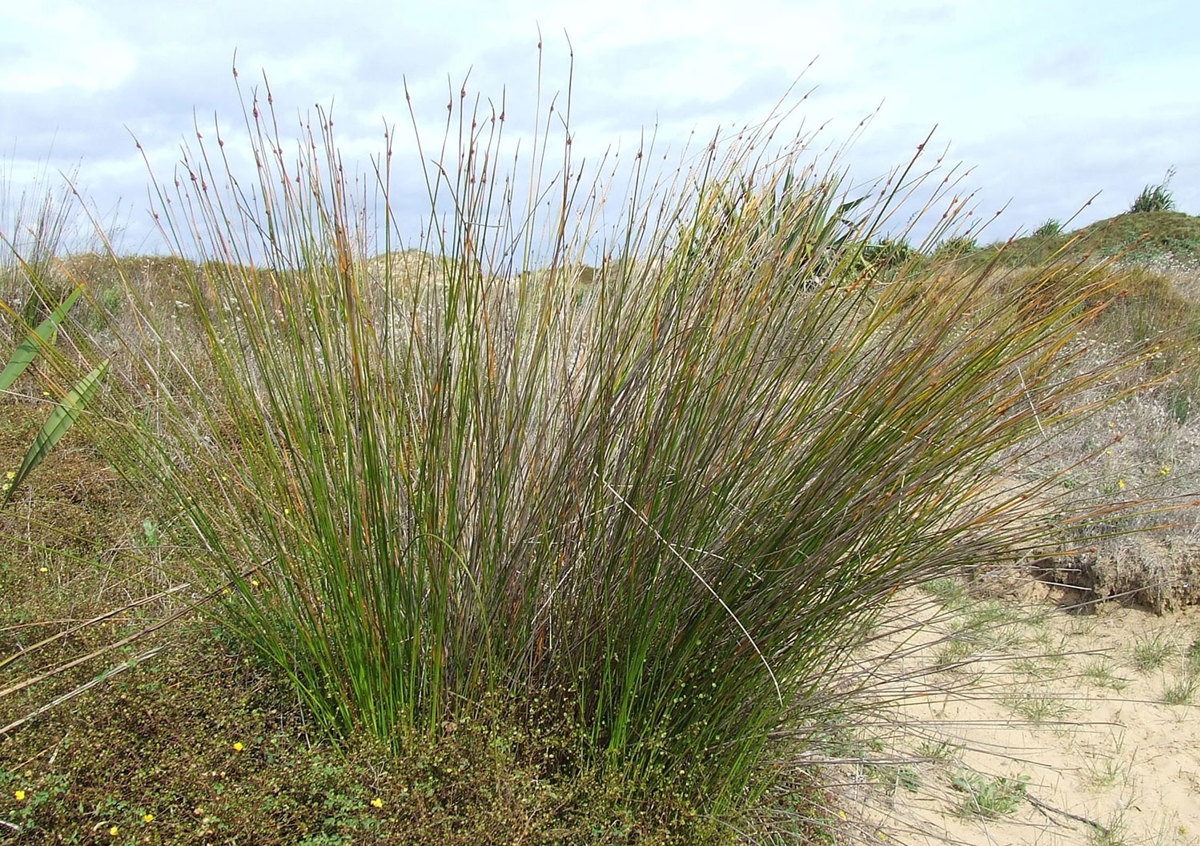
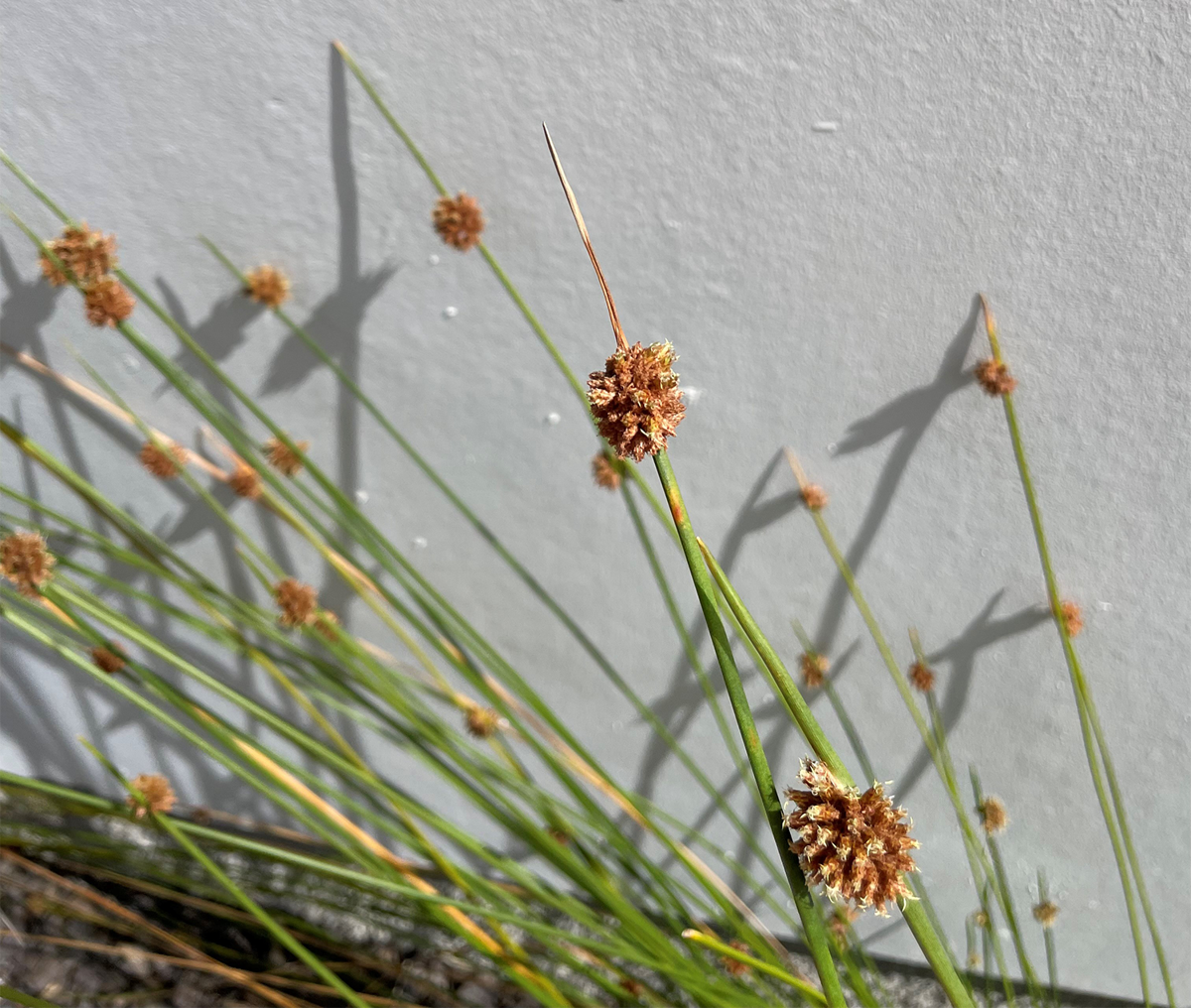
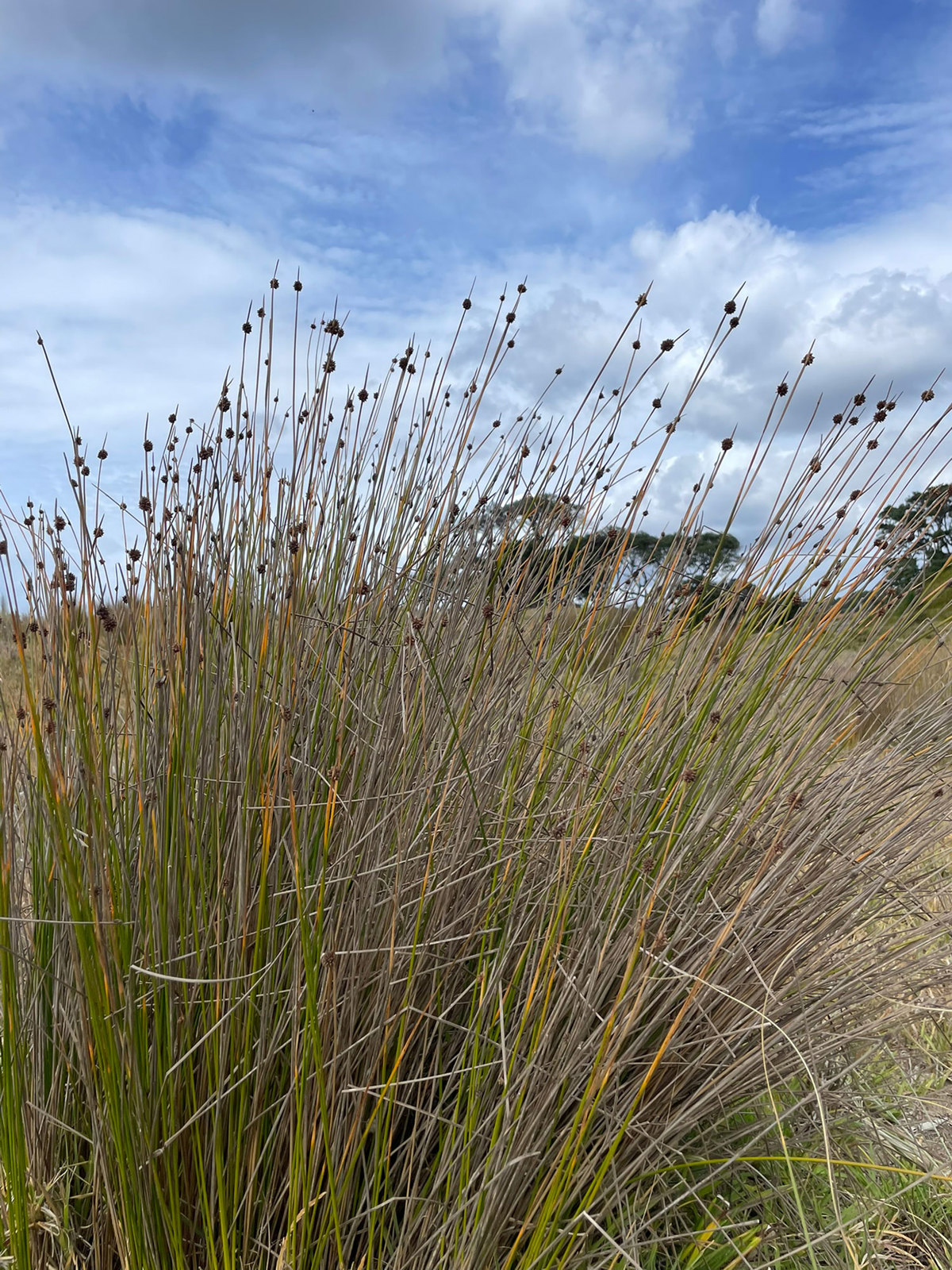
Wīwī / knobby club rush (Ficinia nodosa)
A hardy rush that forms upright clumps in exposed coastal conditions. Helps stabilise sand and is useful for defining pathways and suppressing weed invasion.
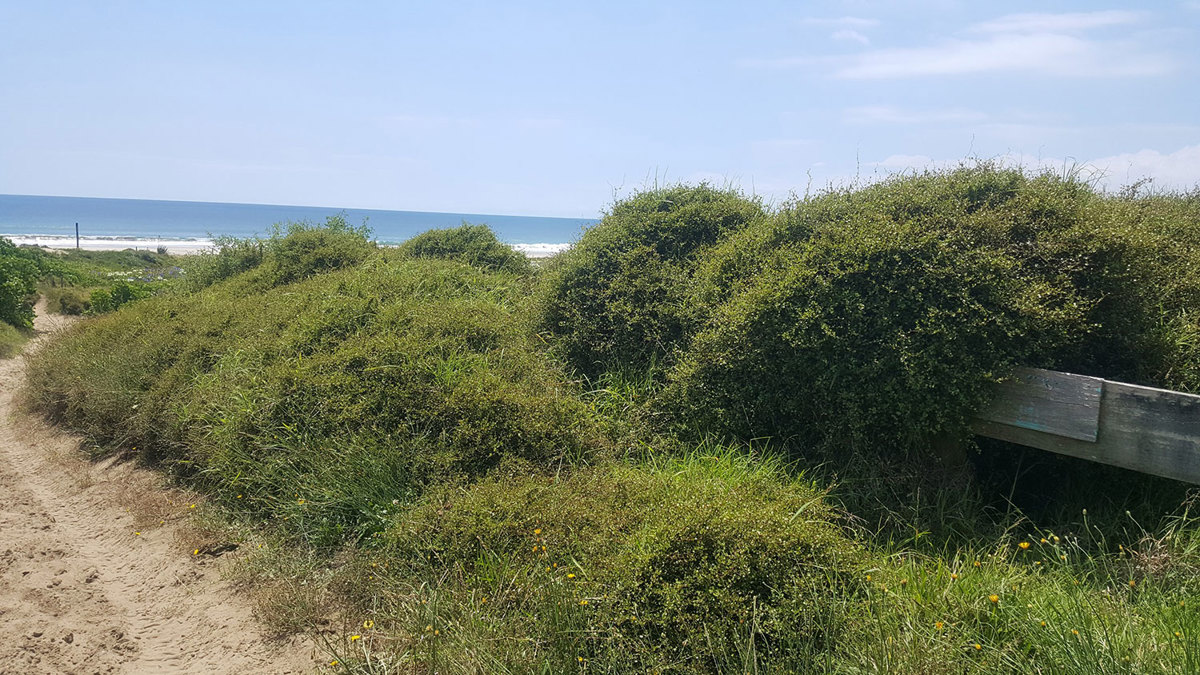
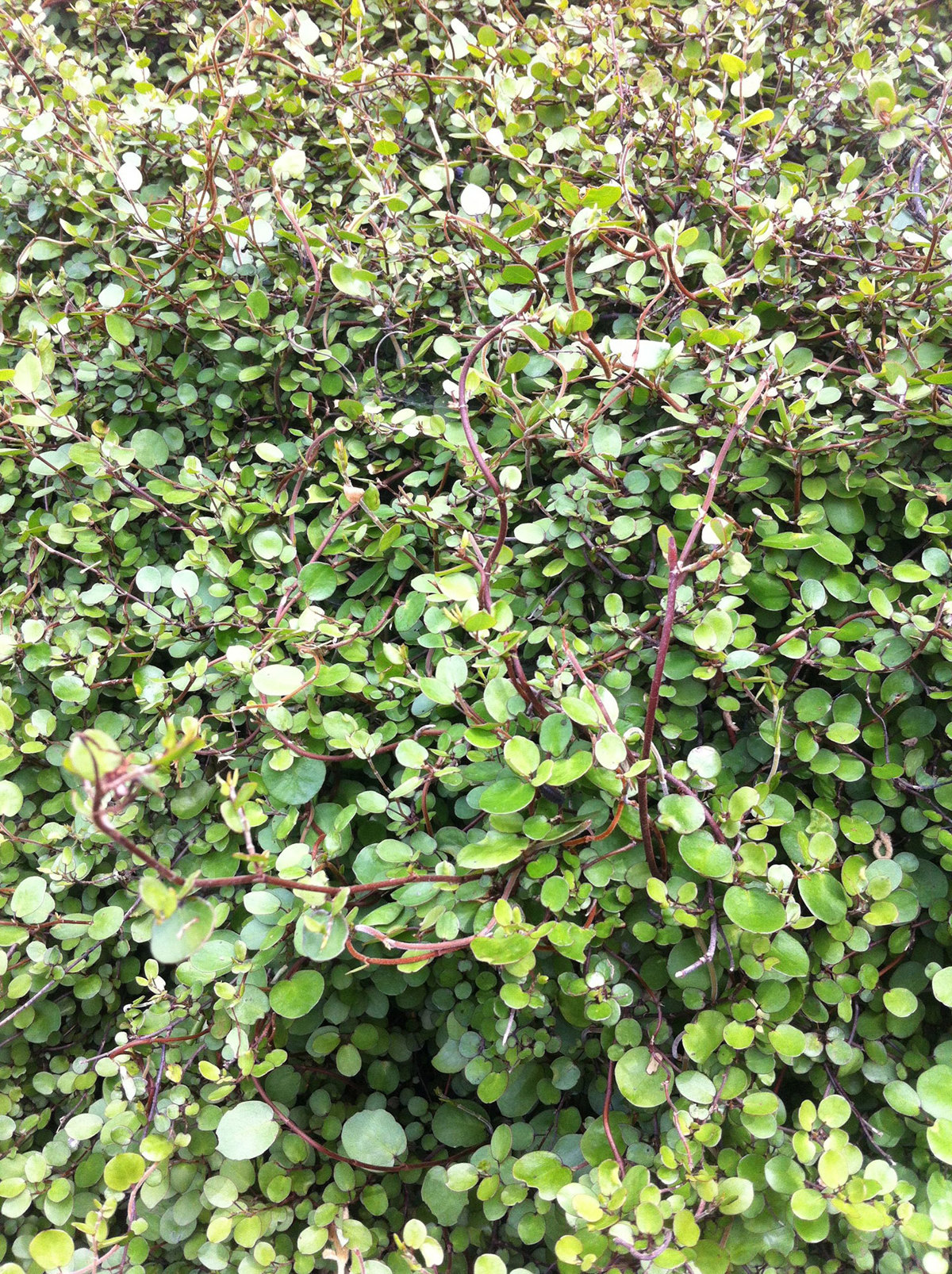
Pōhuehue / wire vine (Muehlenbeckia complexa var. complexa)
A low-growing vine that forms dense mats over the sand. Provides habitat for native wildlife, including the copper butterfly, and helps reduce foot traffic through sensitive areas.
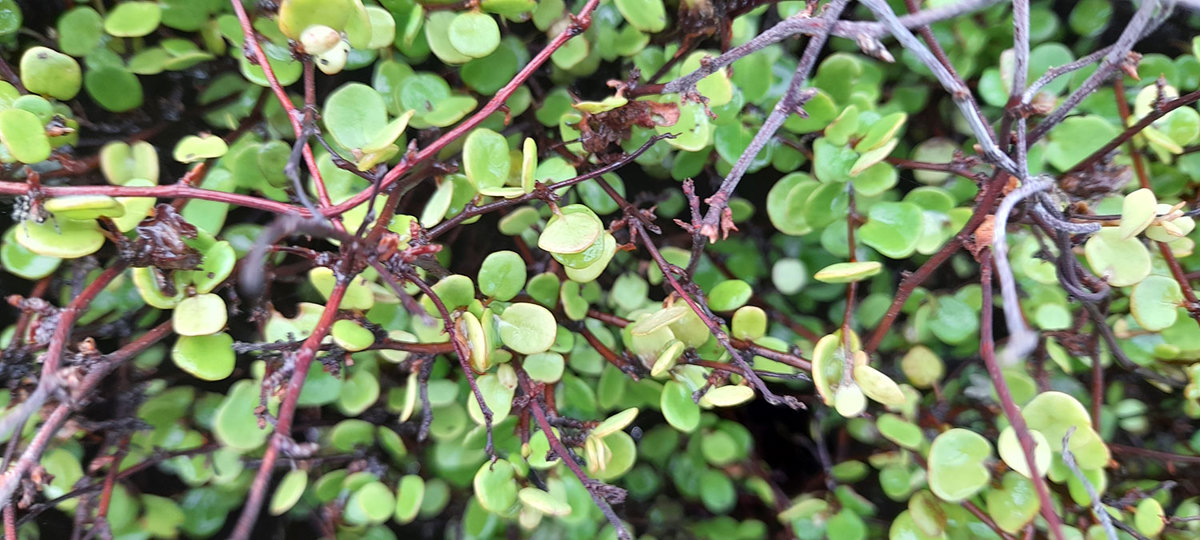
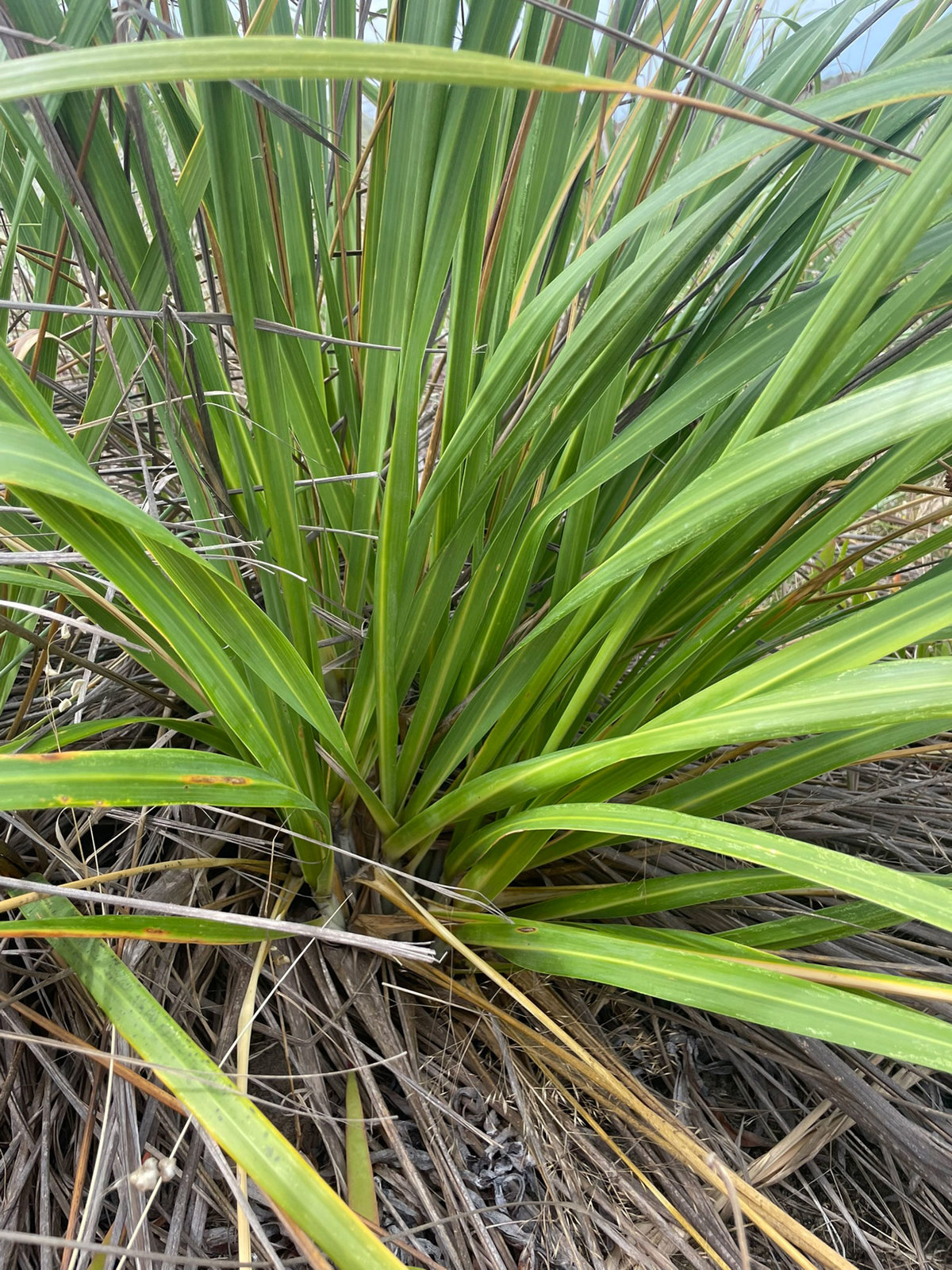
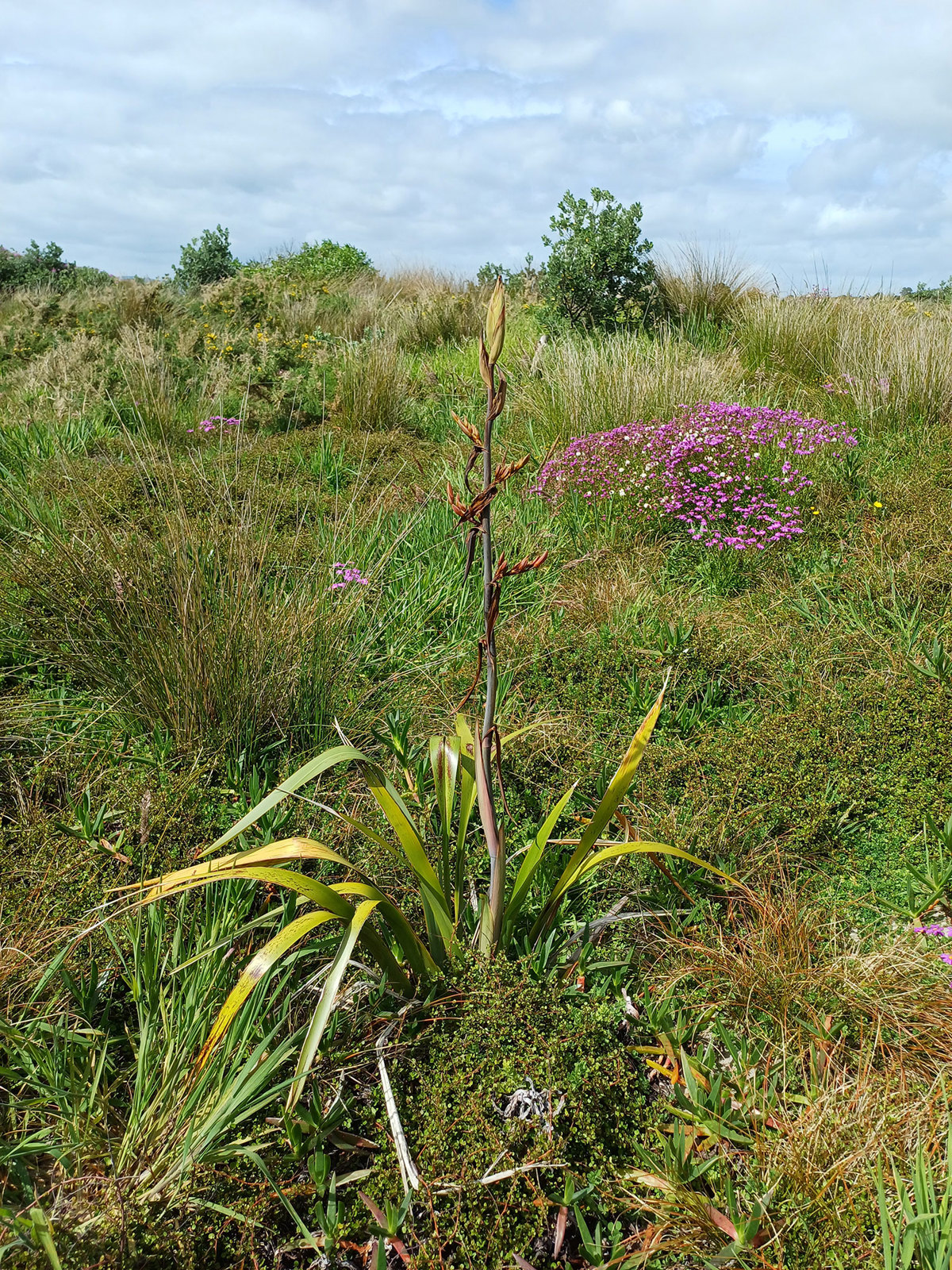
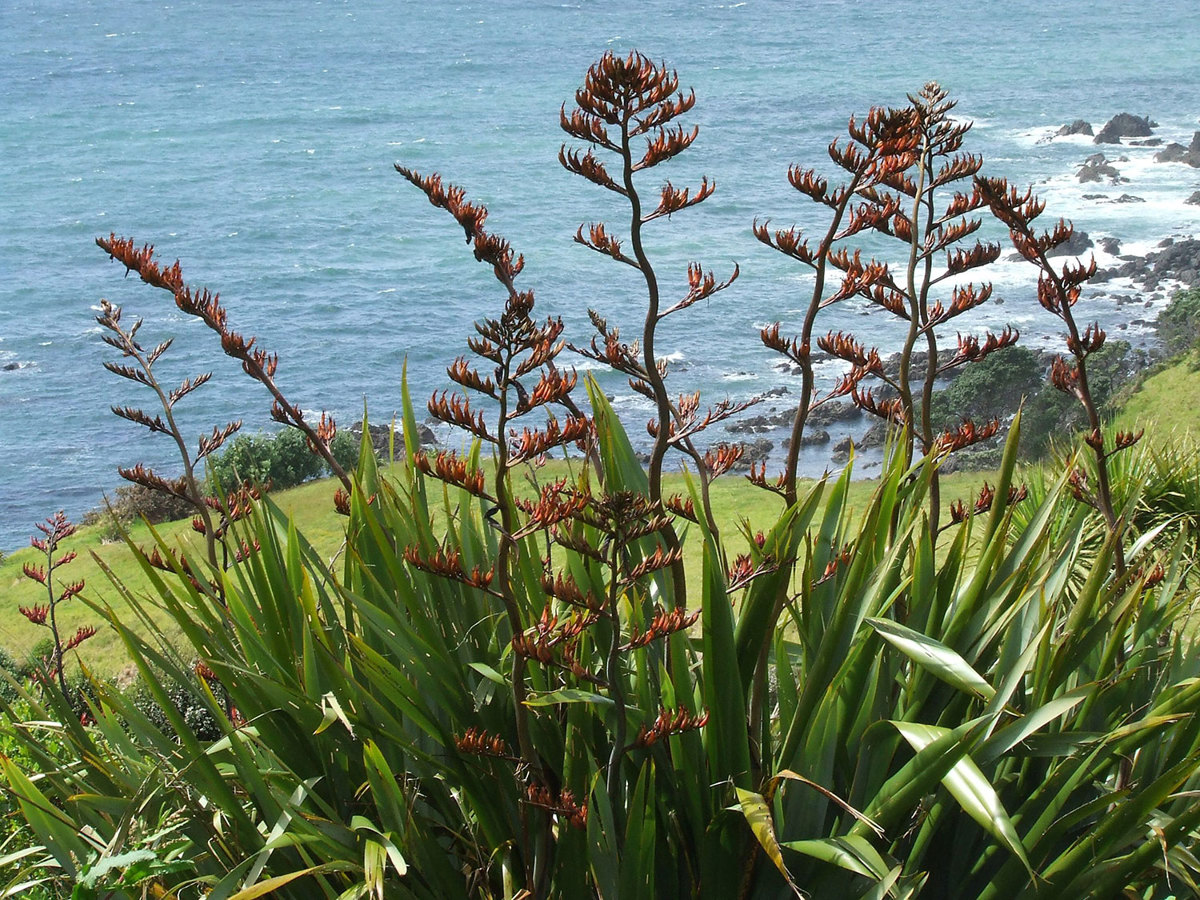
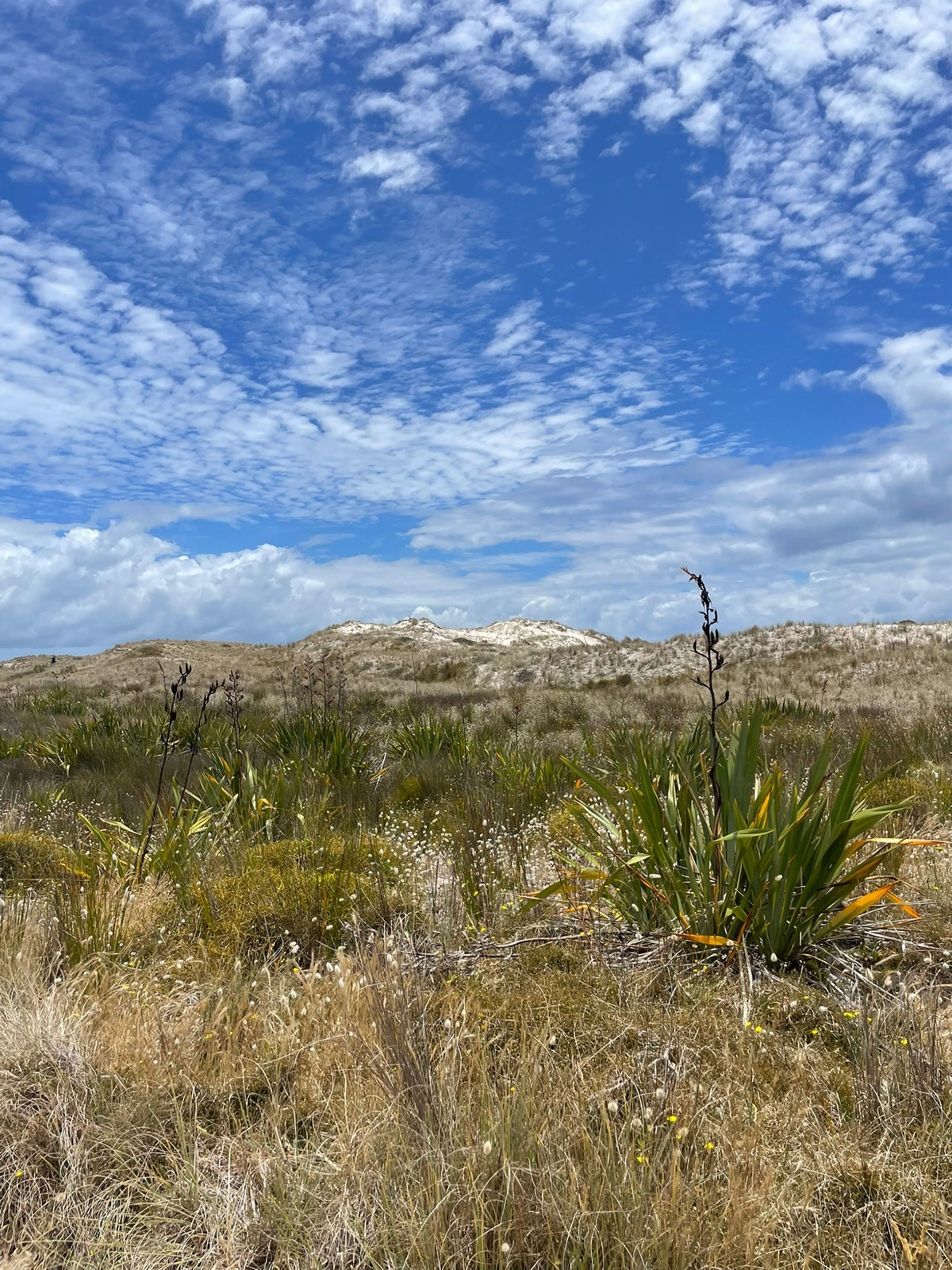
Harakeke / flax (Phormium tenax)
A robust native suited to damp dune hollows and swales. Its nectar-rich flowers attract birds, insects, and lizards.
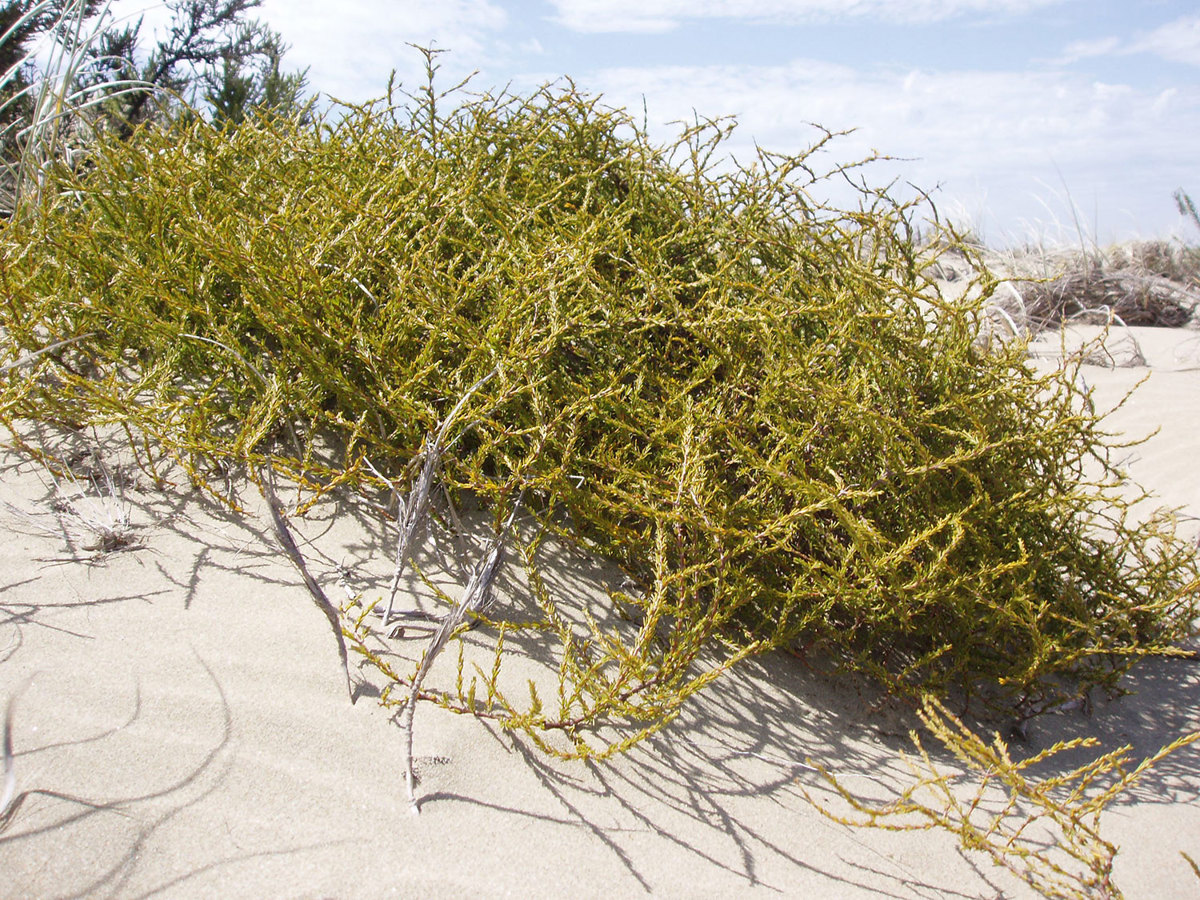
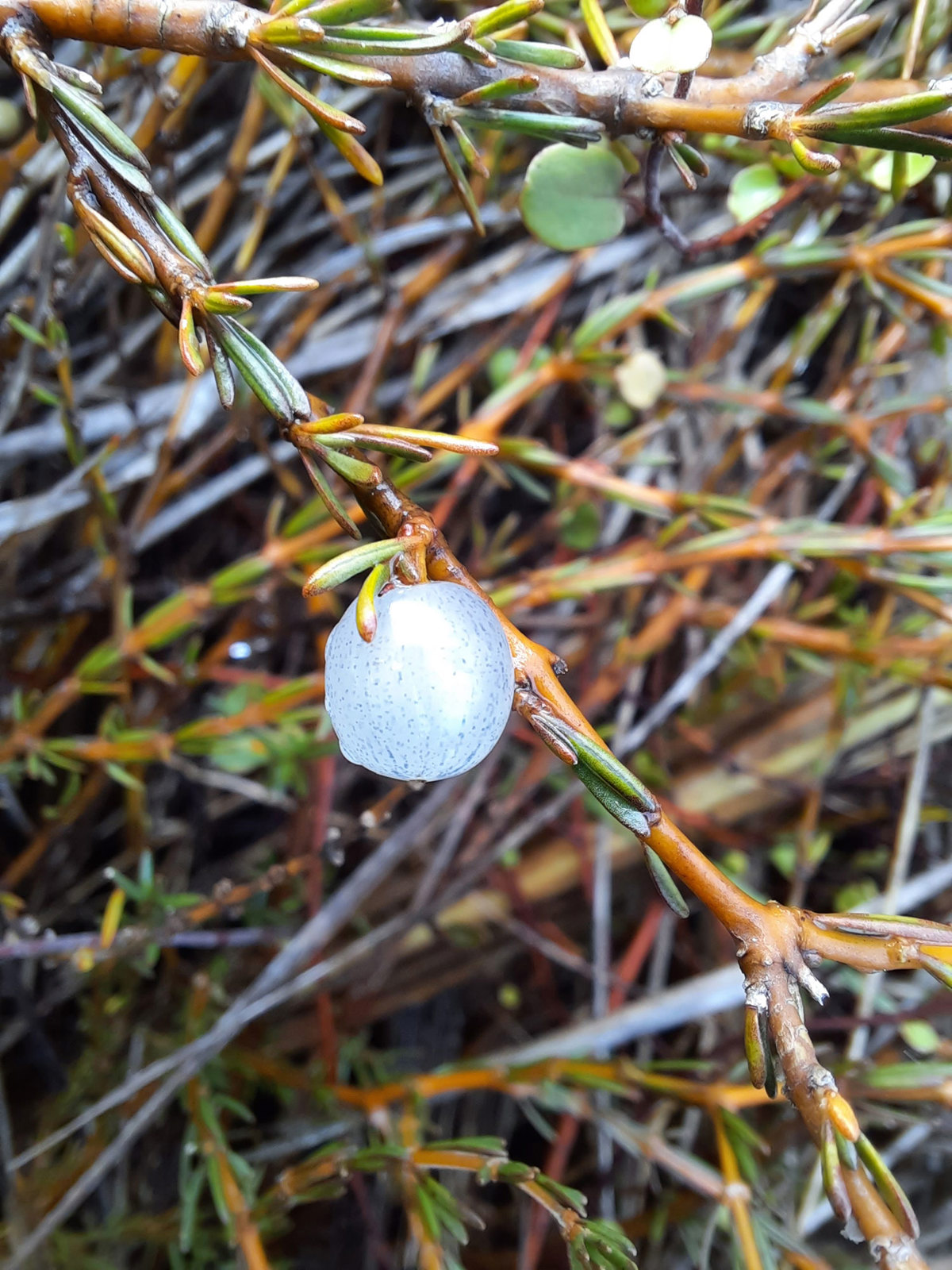
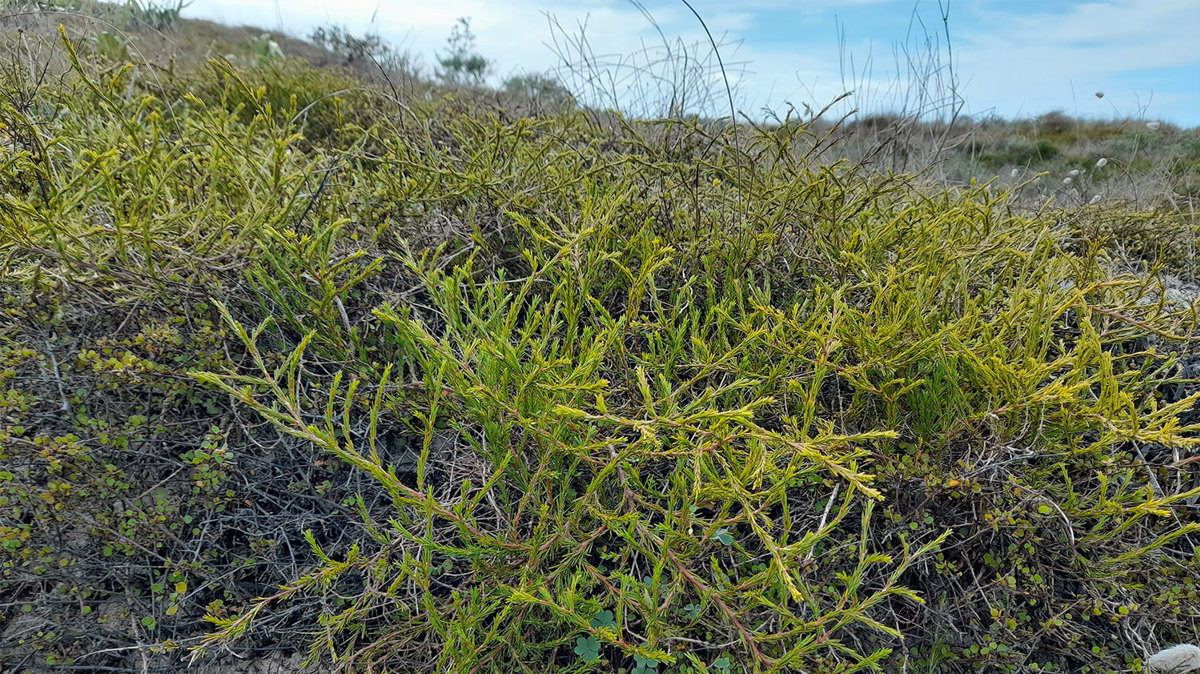
Tātaraheke / sand coprosma (Coprosma acerosa)
A spreading shrub adapted to exposed coastal conditions. Produces berries for birds and provides shelter for native wildlife.
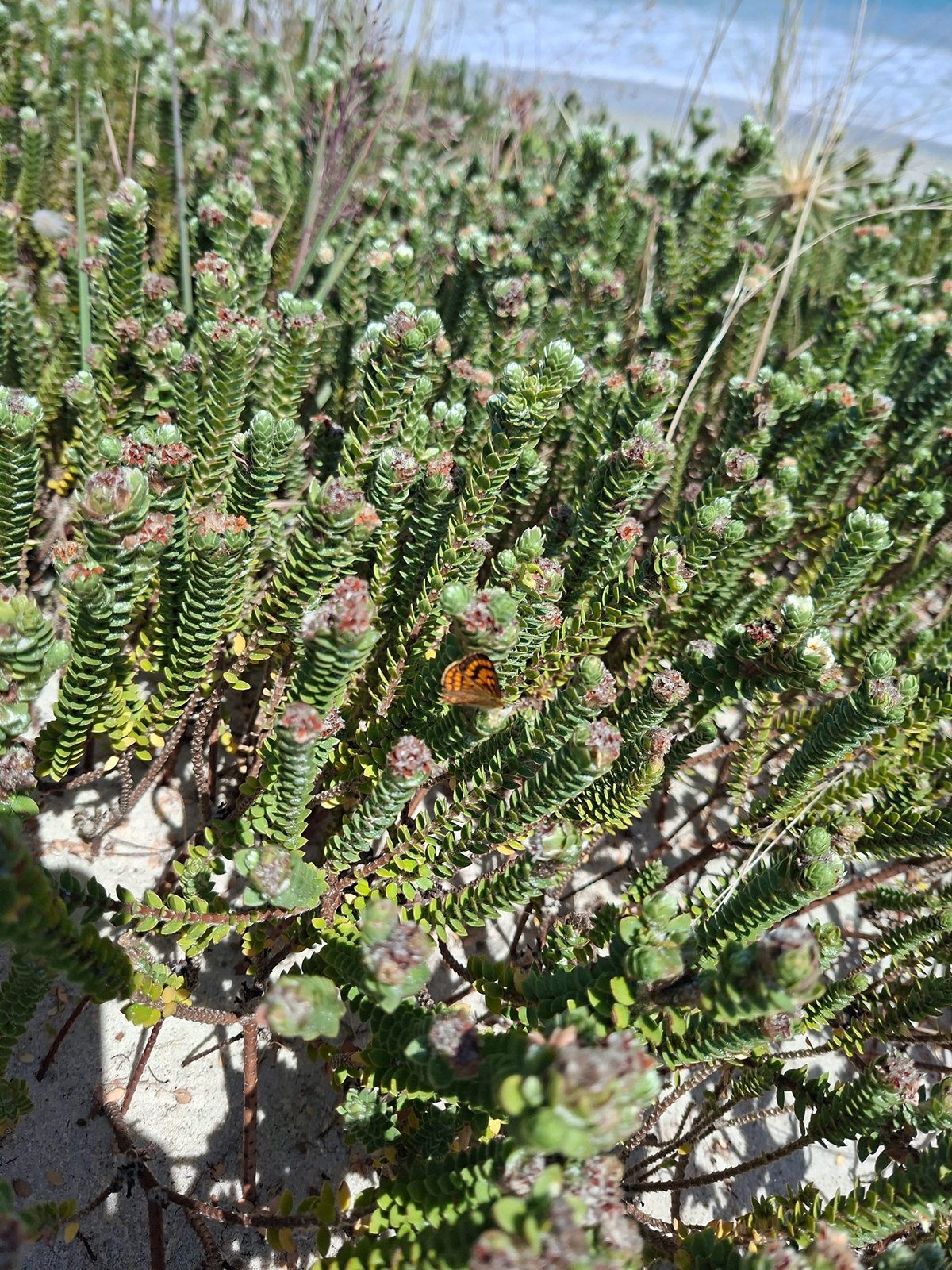
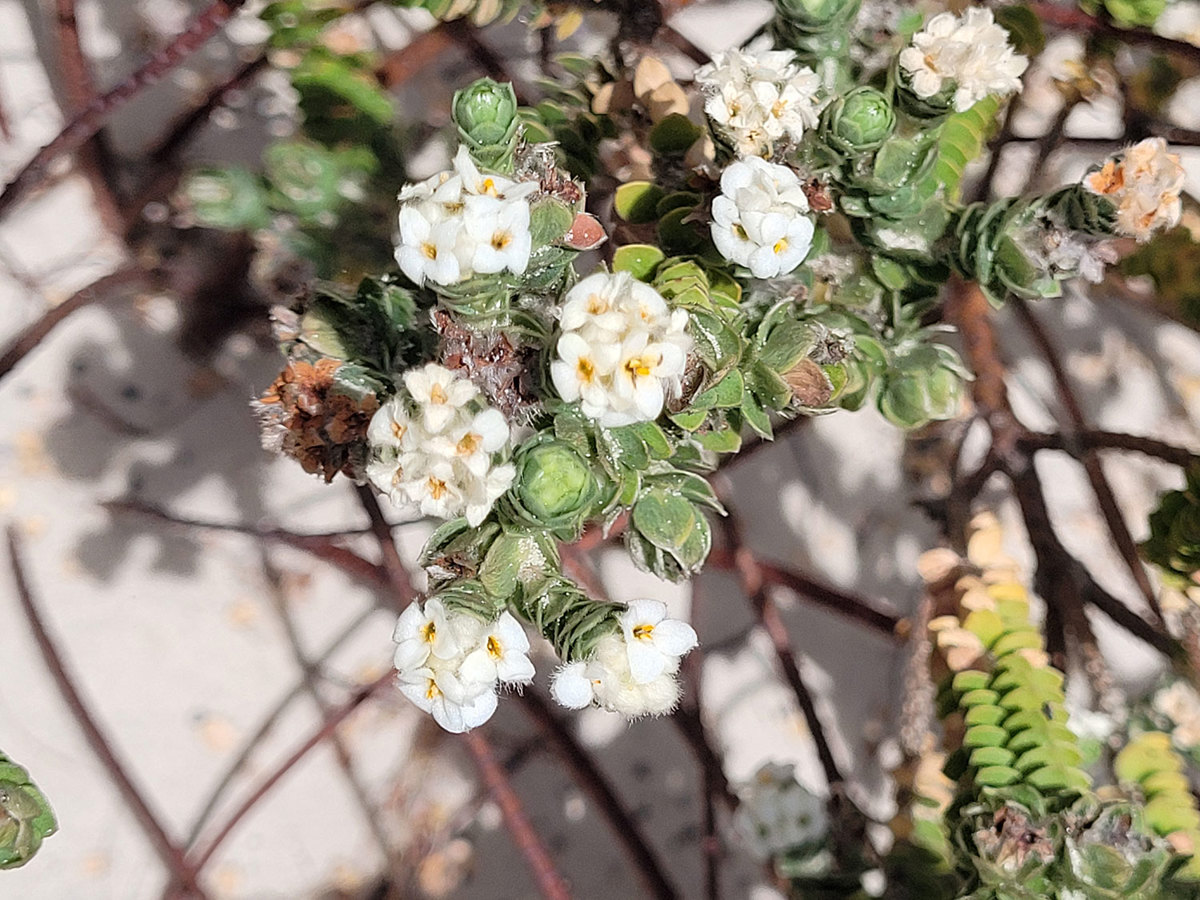
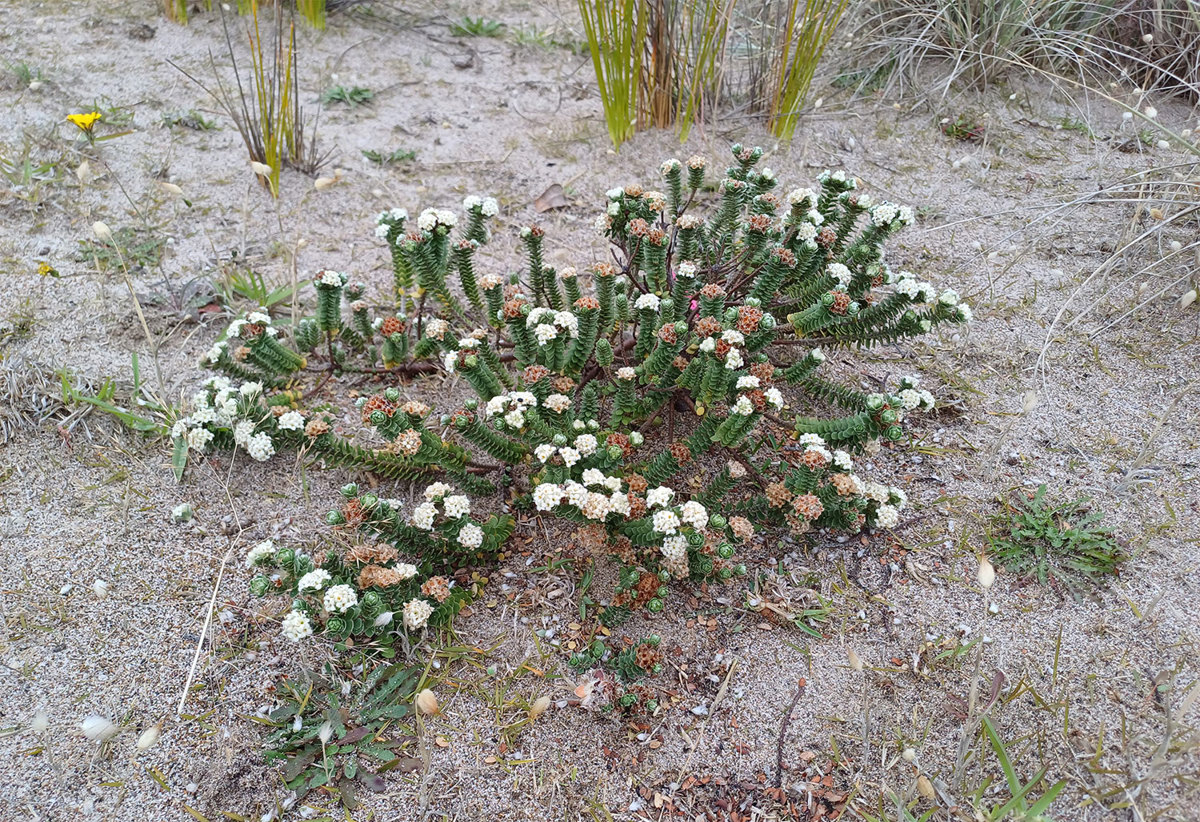
Toroheke / sand daphne (Pimelea villosa)
A low-growing shrub of foredune and mid-dune margins. Nationally threatened and an important part of native dune biodiversity.
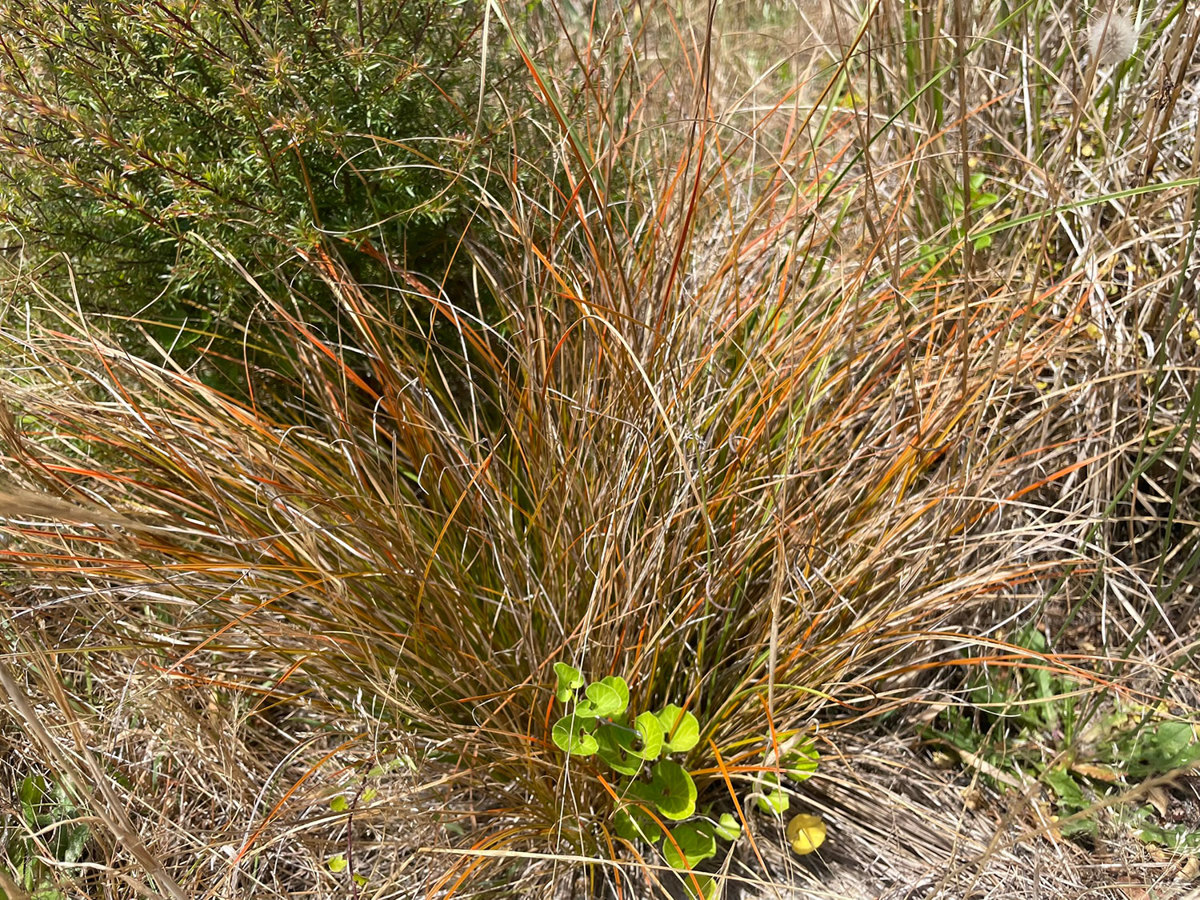
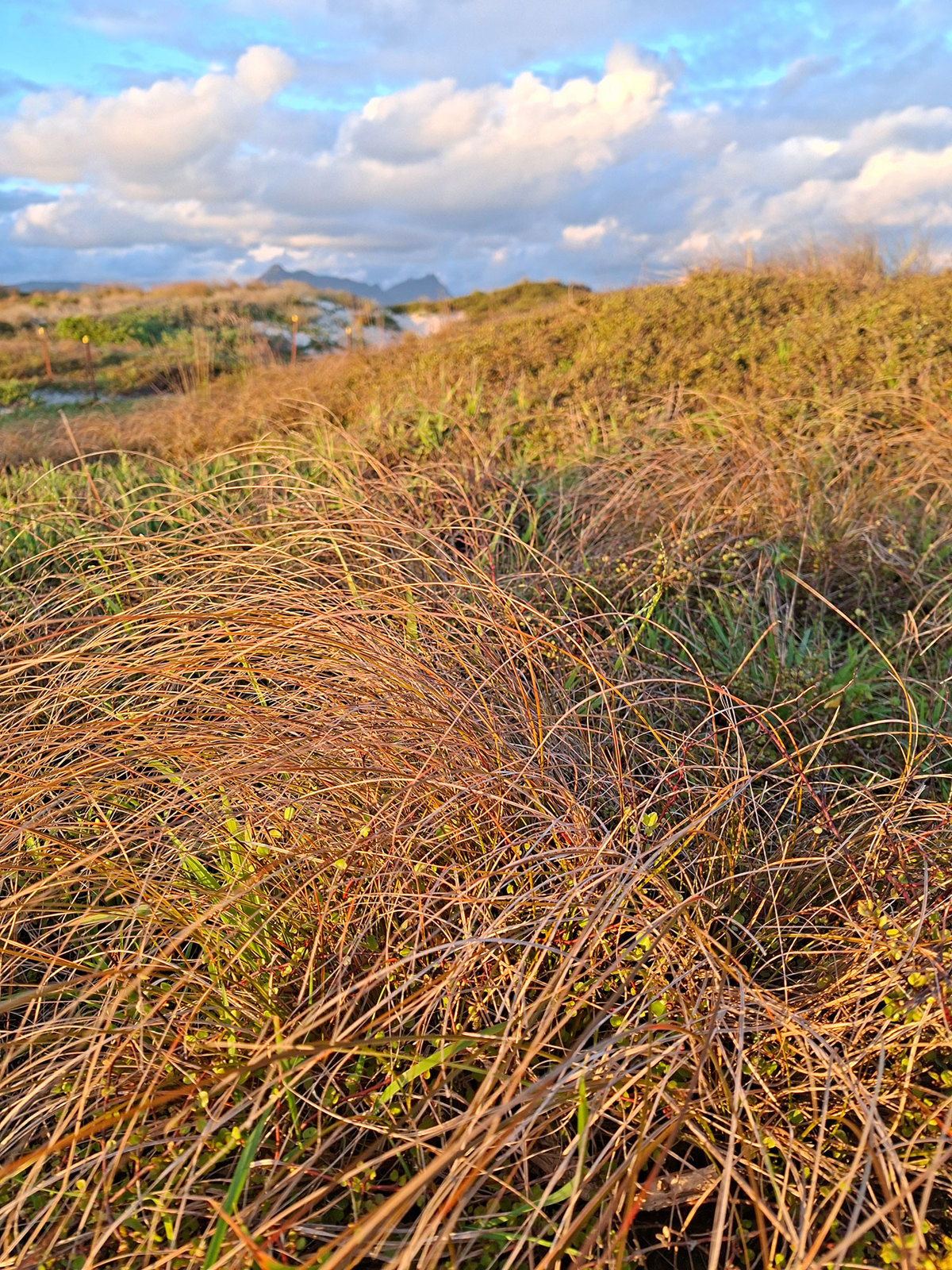
Speckled sedge (Carex testacea)
A hardy sedge with striking orange foliage. Adds colour, texture and diversity to restoration plantings.
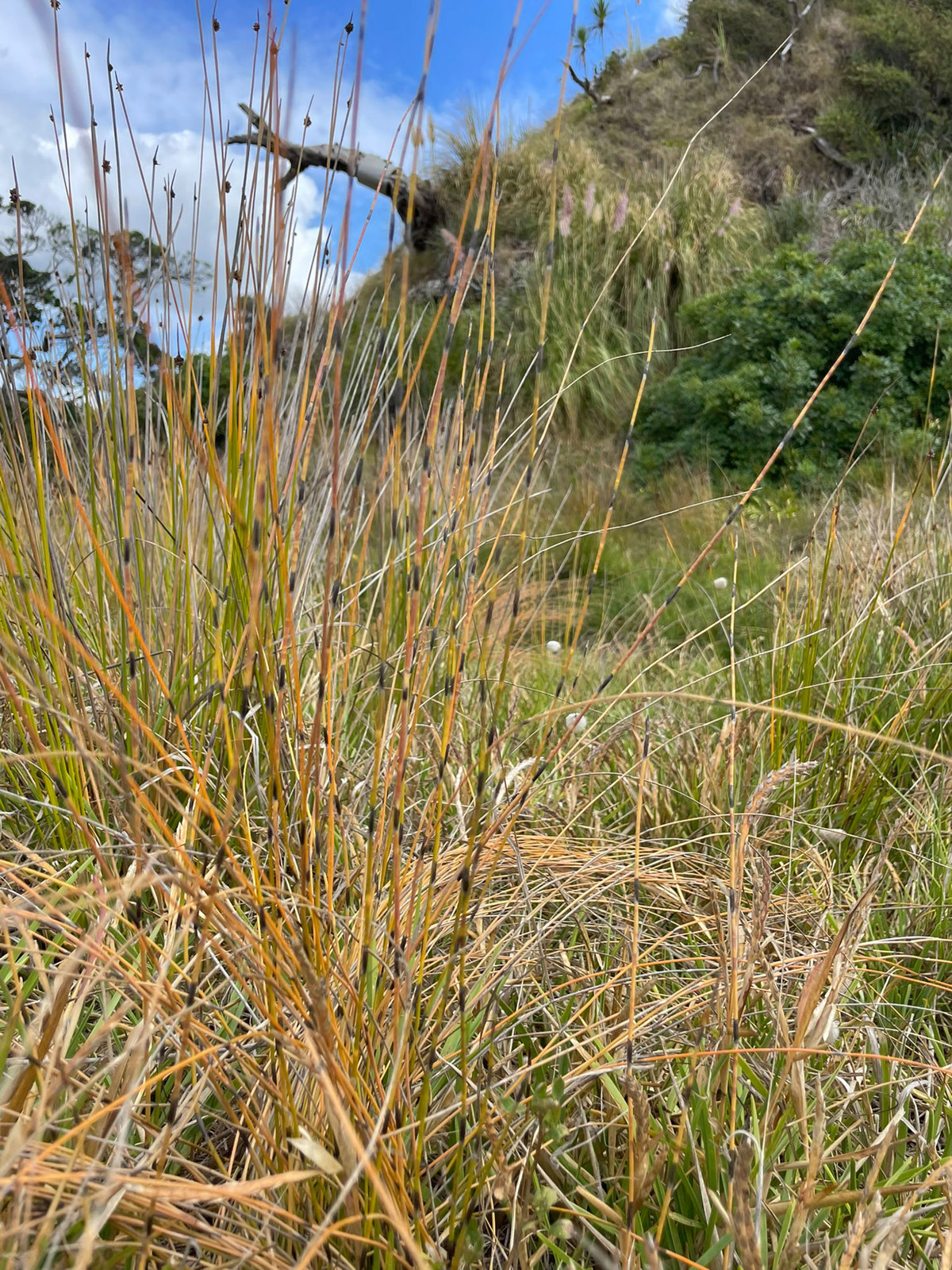
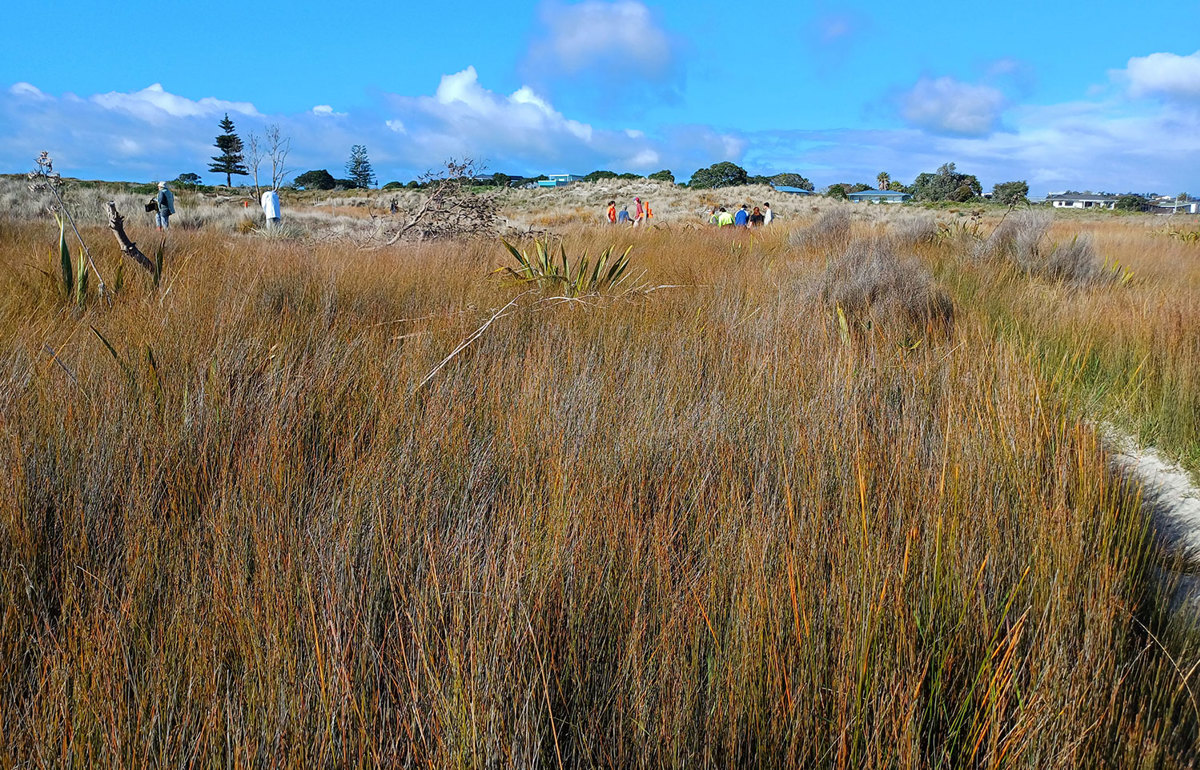
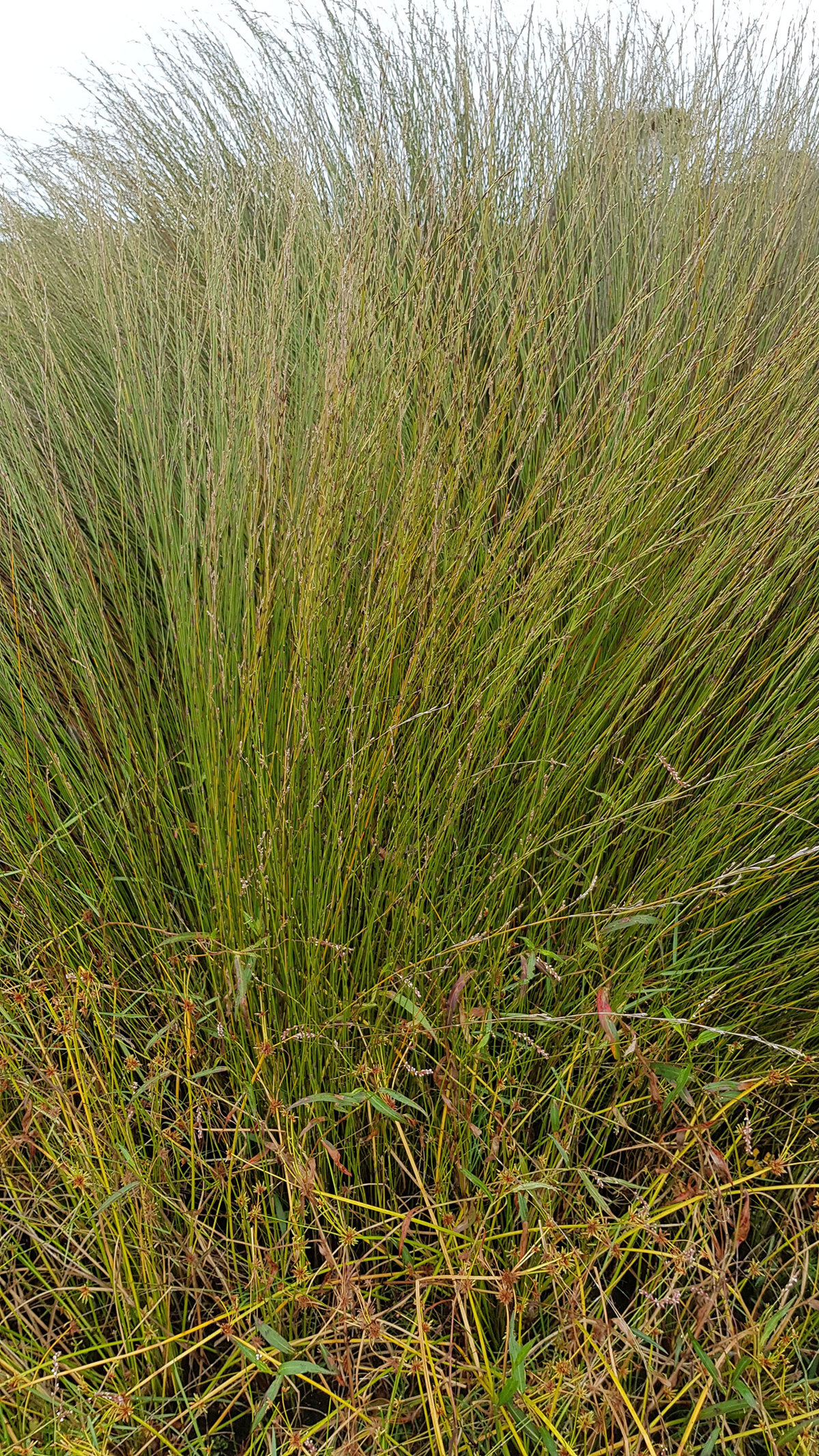
Oioi / jointed wire rush (Apodasmia similis)
A tall rush found in damp swales and dune wetlands. Stabilises wet areas, filters runoff, and provides habitat for coastal wildlife.
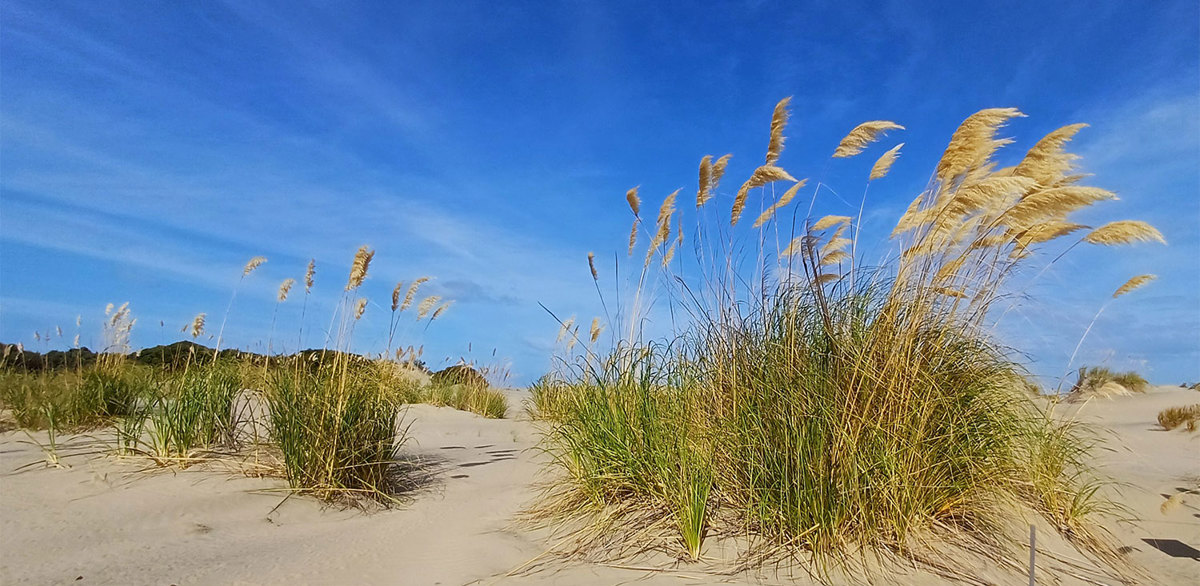
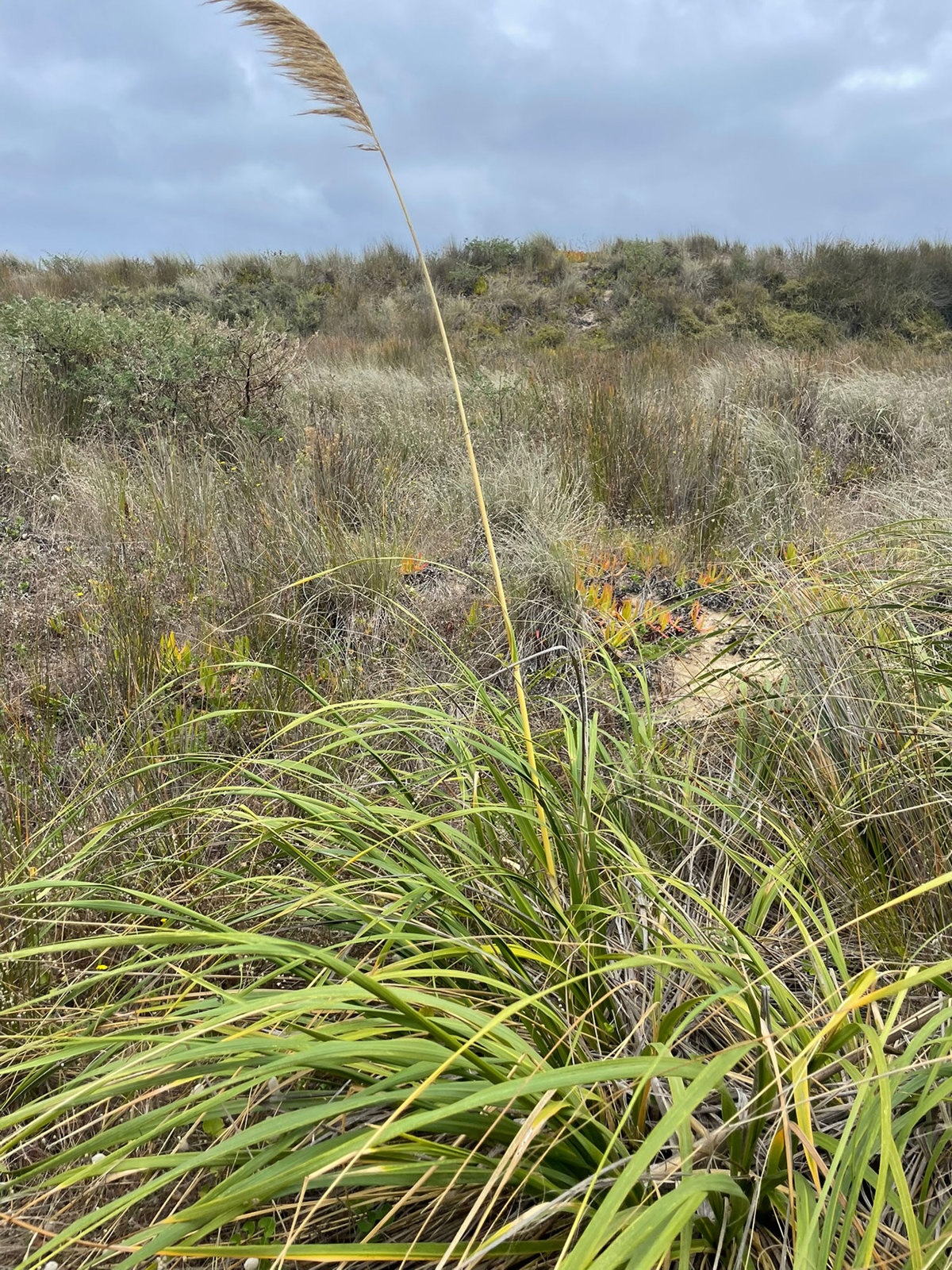
Toetoe (Austroderia splendens)
A tall native grass that adds height and structure to dune systems. Tolerates coastal conditions and is often confused with invasive pampas grass.