

Foredunes
Foredunes are the frontline of the coast, exposed to strong winds, salt spray, extreme temperatures, and storms. Native sand-binding plants help trap and hold sand, building stronger dunes, reducing erosion, and creating a natural buffer that protects inland areas.
Foredune plants
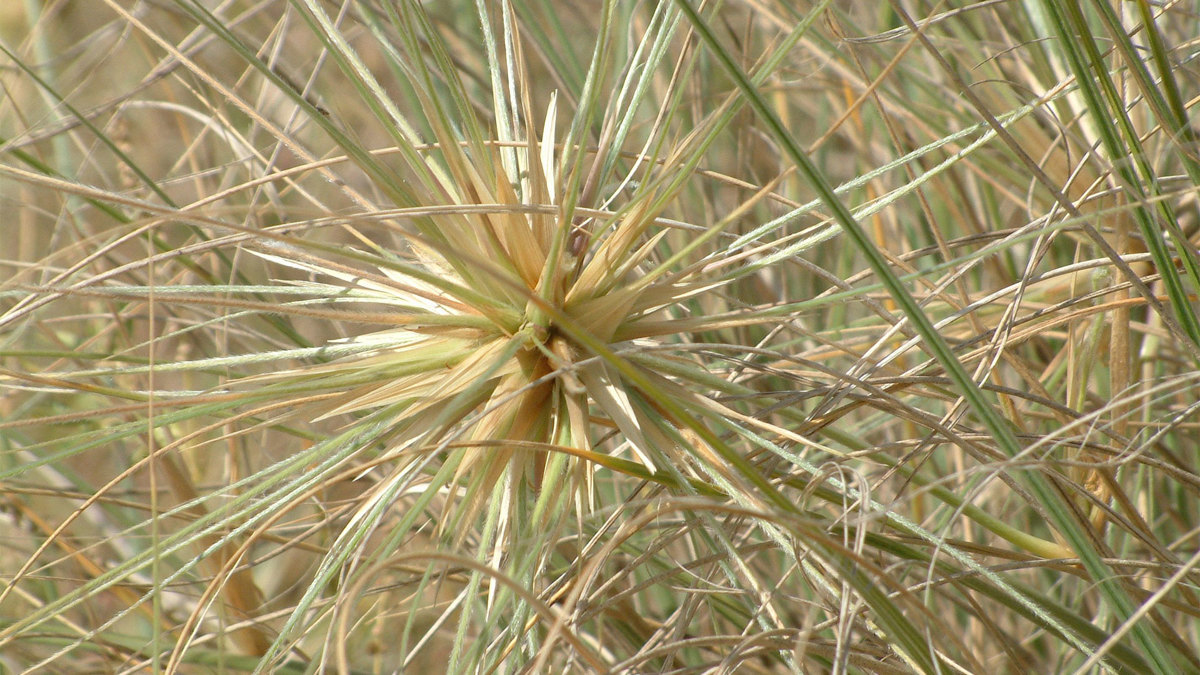
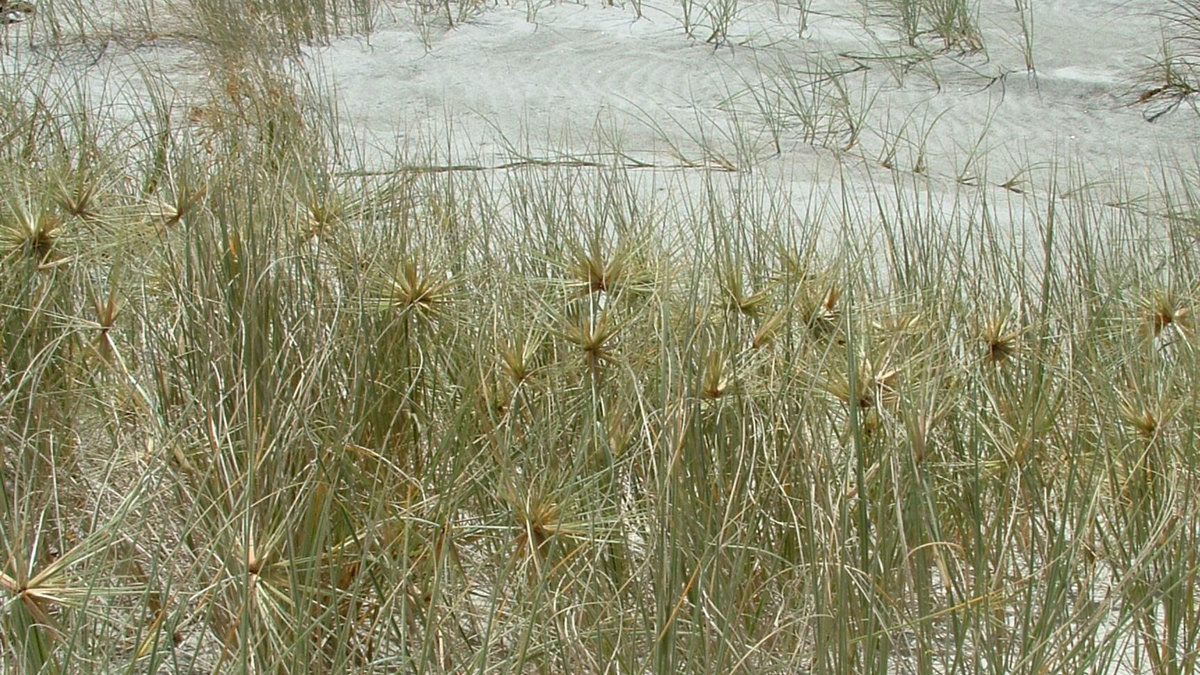
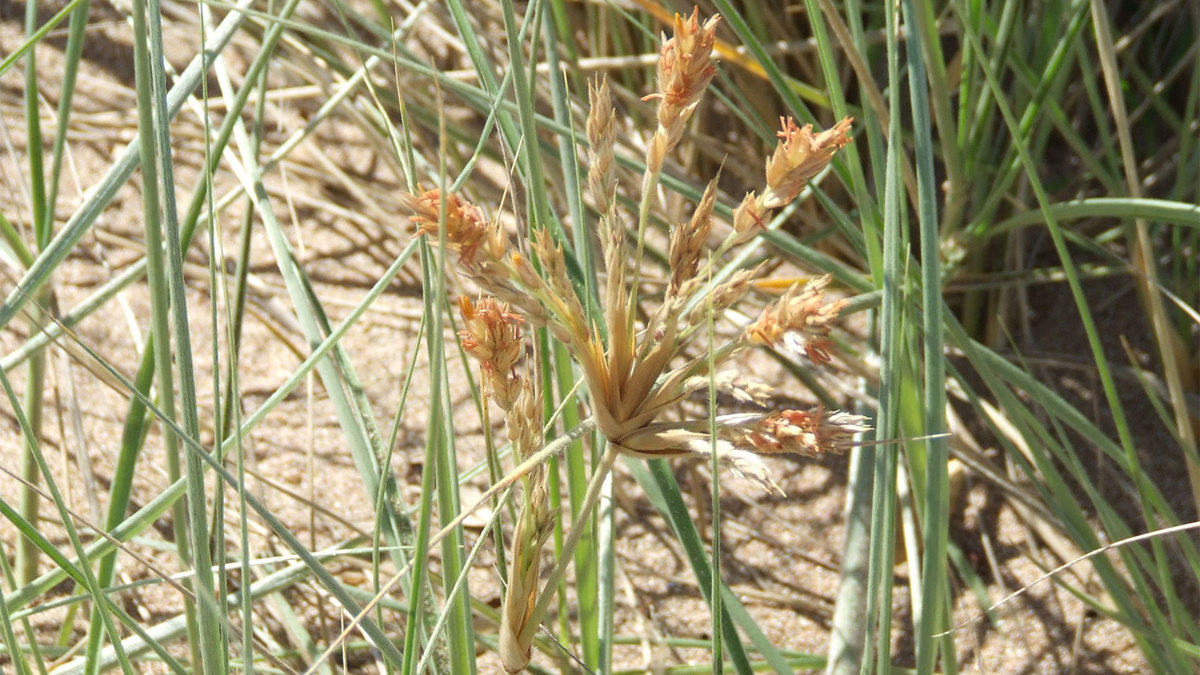
Kōwhangatara / tihetihe / spinifex (Spinifex sericeus)
One of Northland's most important dune-building plants. Long runners spread out, trapping wind-blown sand and building protective foredunes. Best planted in mobile sand above the high tide mark. Vulnerable to trampling and vehicle damage.
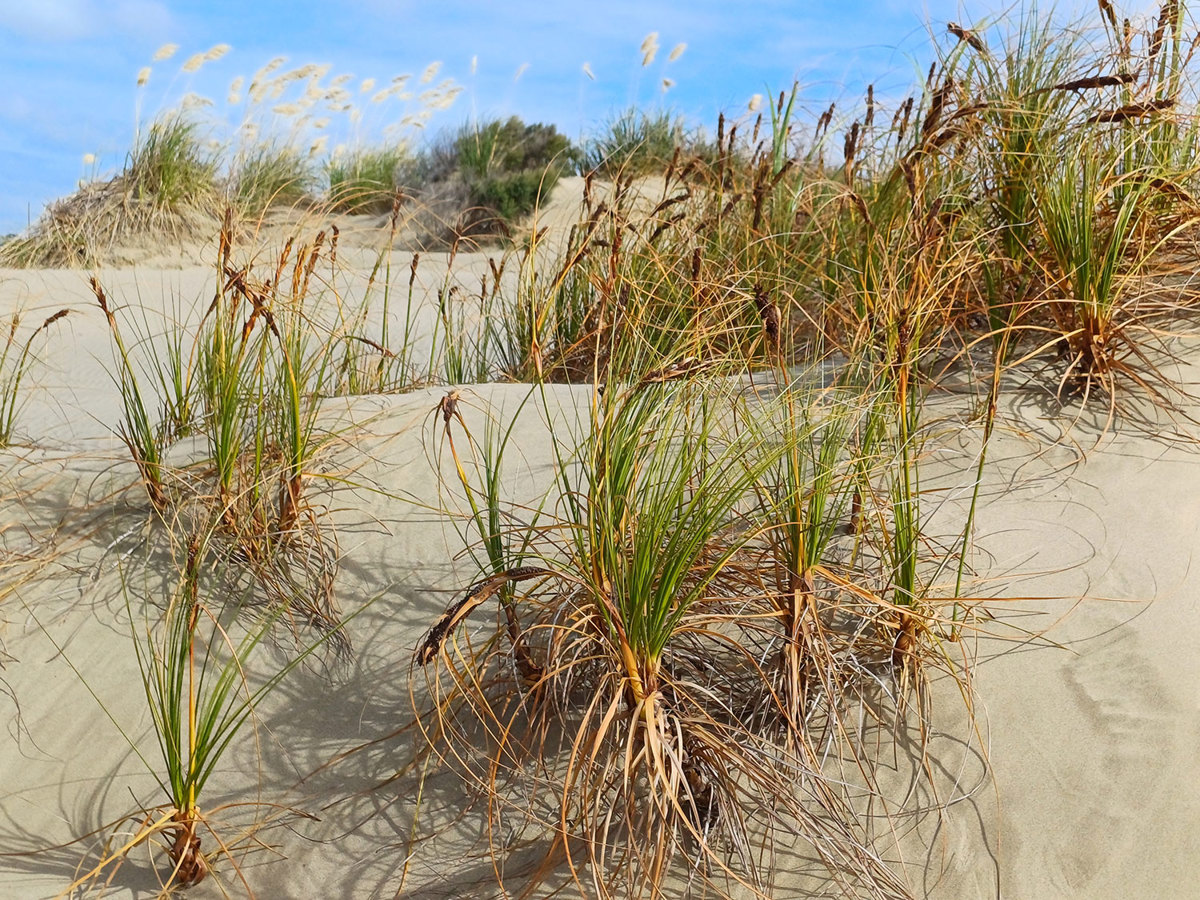
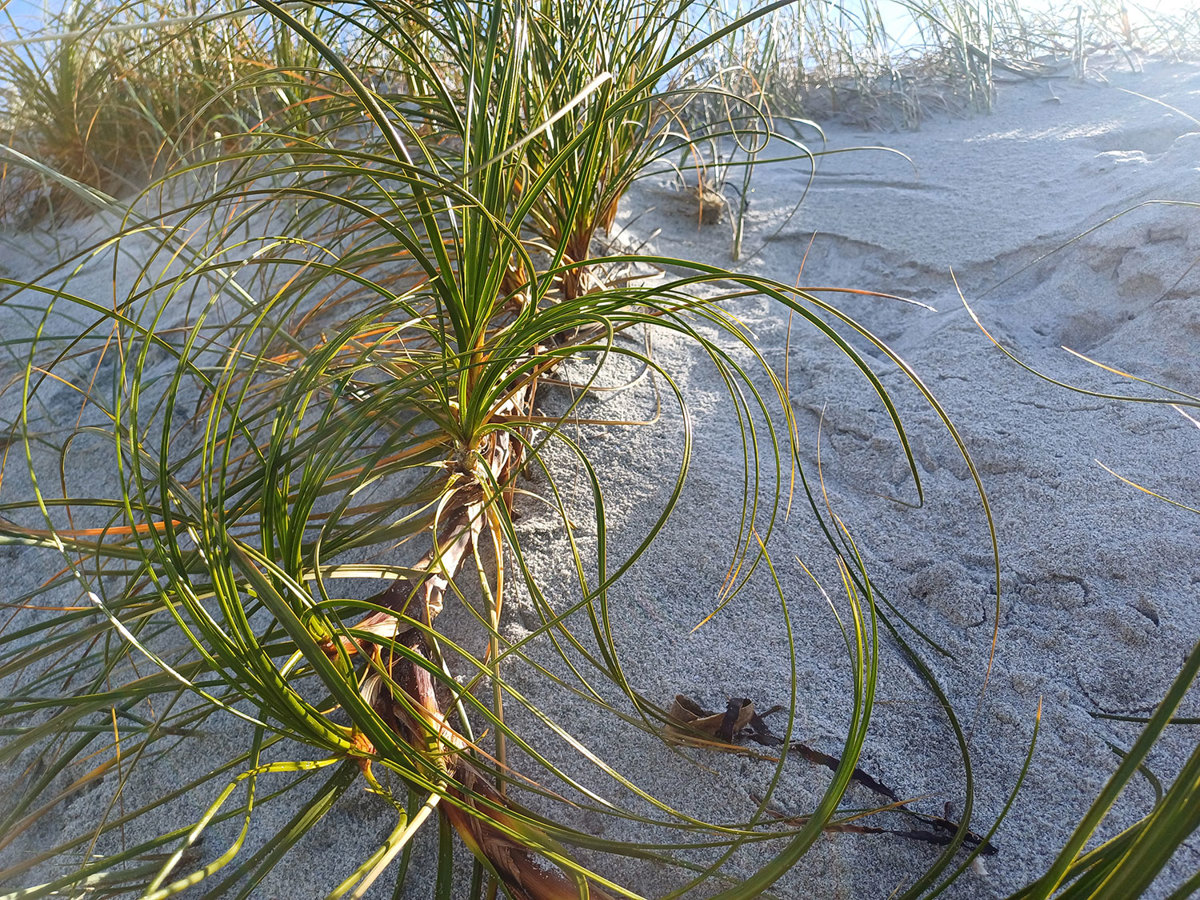
Pīngao / golden sand sedge (Ficinia spiralis)
A key native sand-binder with distinctive golden-orange leaves. Grows on active foredunes, helping trap sand and reduce erosion. Best planted in bare sand and protected from weeds, vehicles, rabbits, and foot traffic.
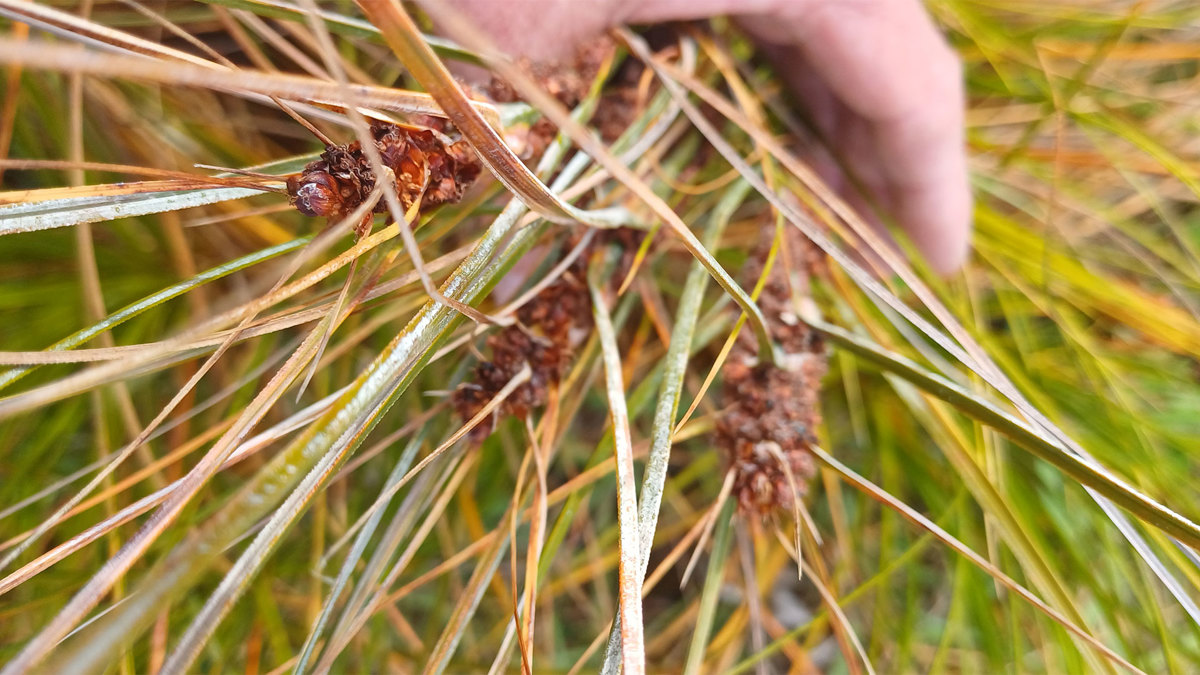
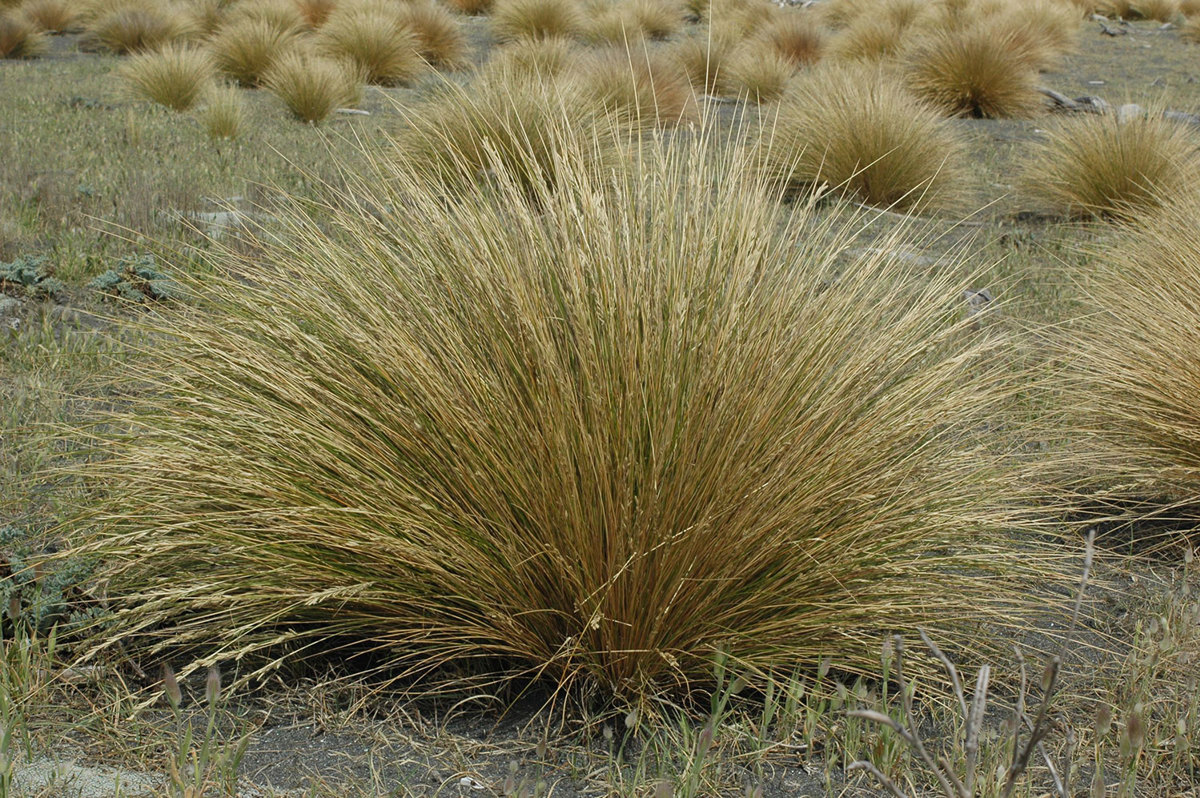
Hinarepe / sand tussock (Poa billardierei)
A rare native tussock found on semi-stable dunes behind the foredune. Adds habitat diversity and dune structure. Sensitive to grazing, vehicles and trampling.
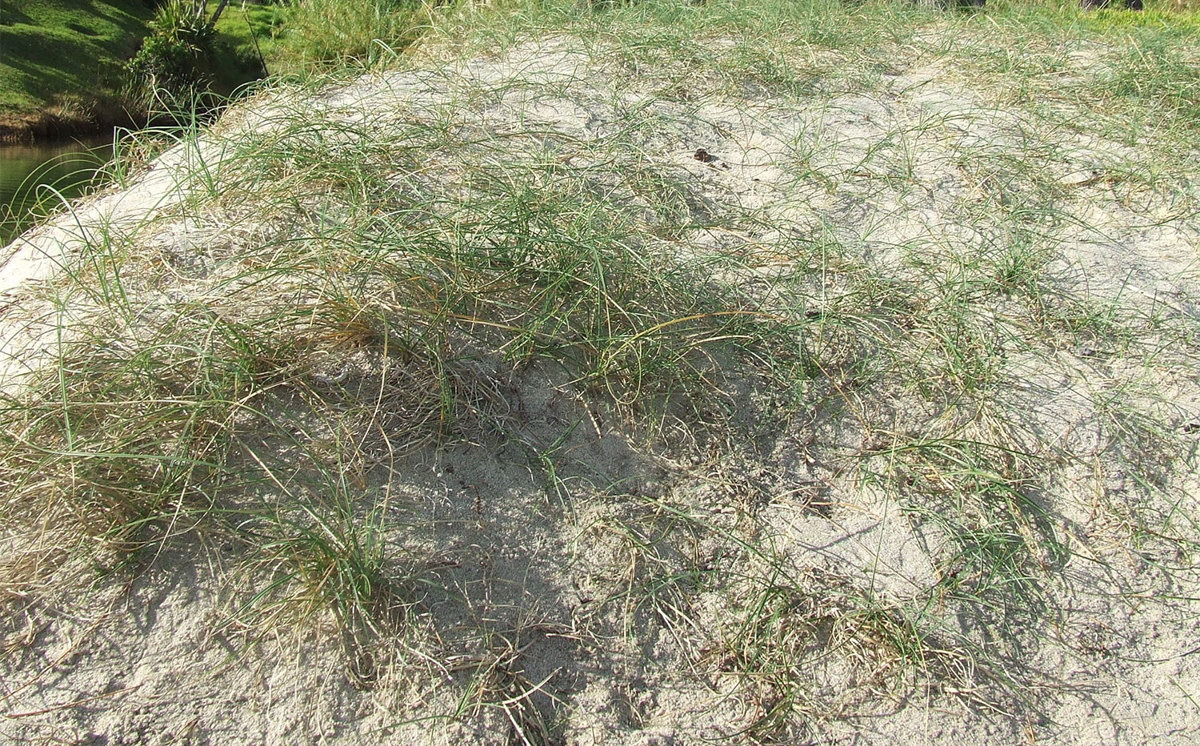
Sand sedge (Carex pumila)
A low-growing native sedge found in damp dune hollows and near stream mouths. Helps stabilise moist sandy areas and often regenerates naturally.
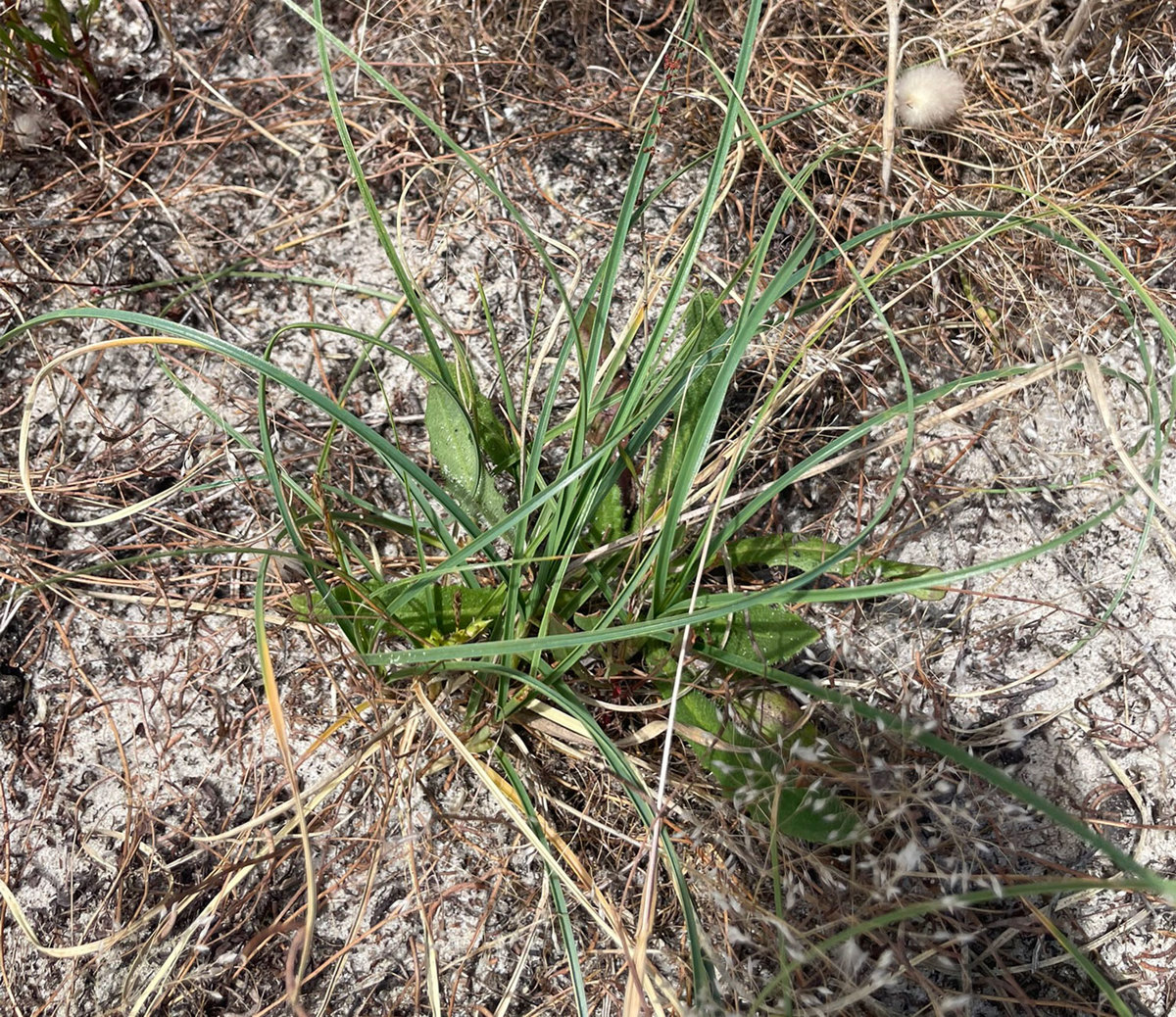
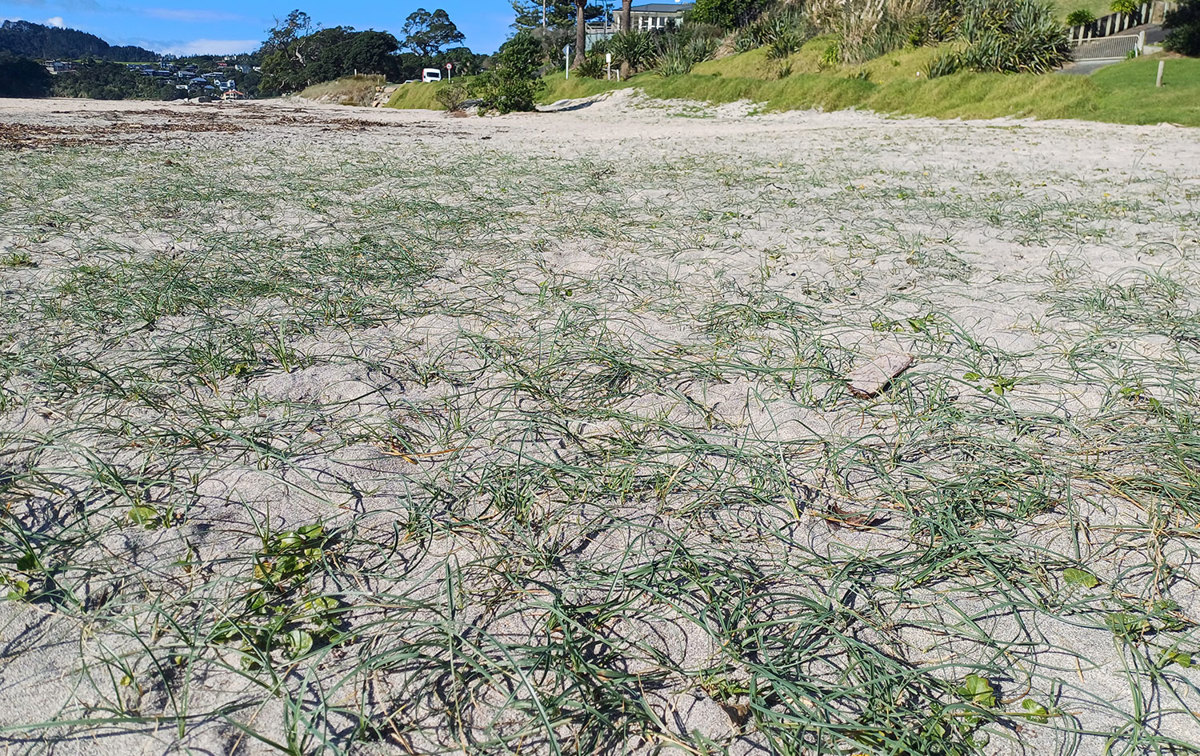
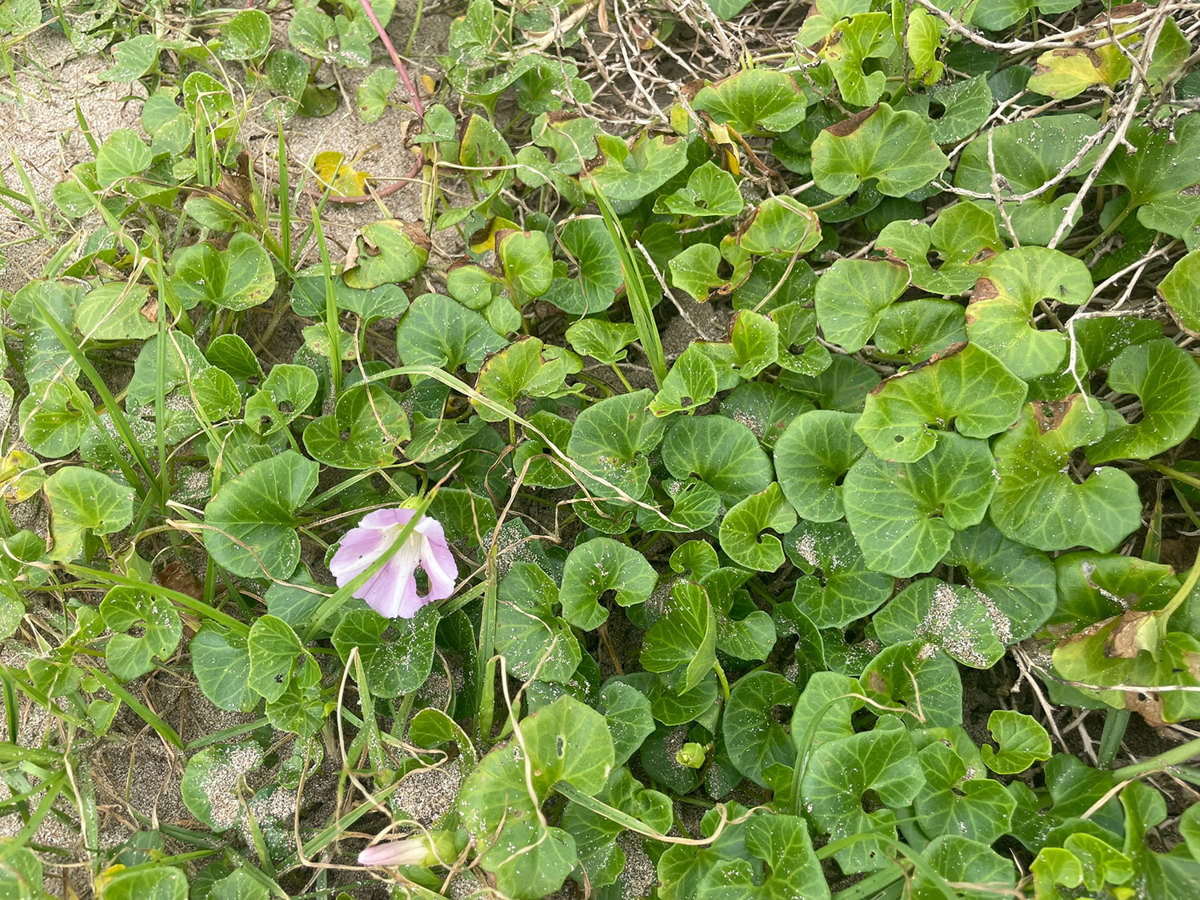
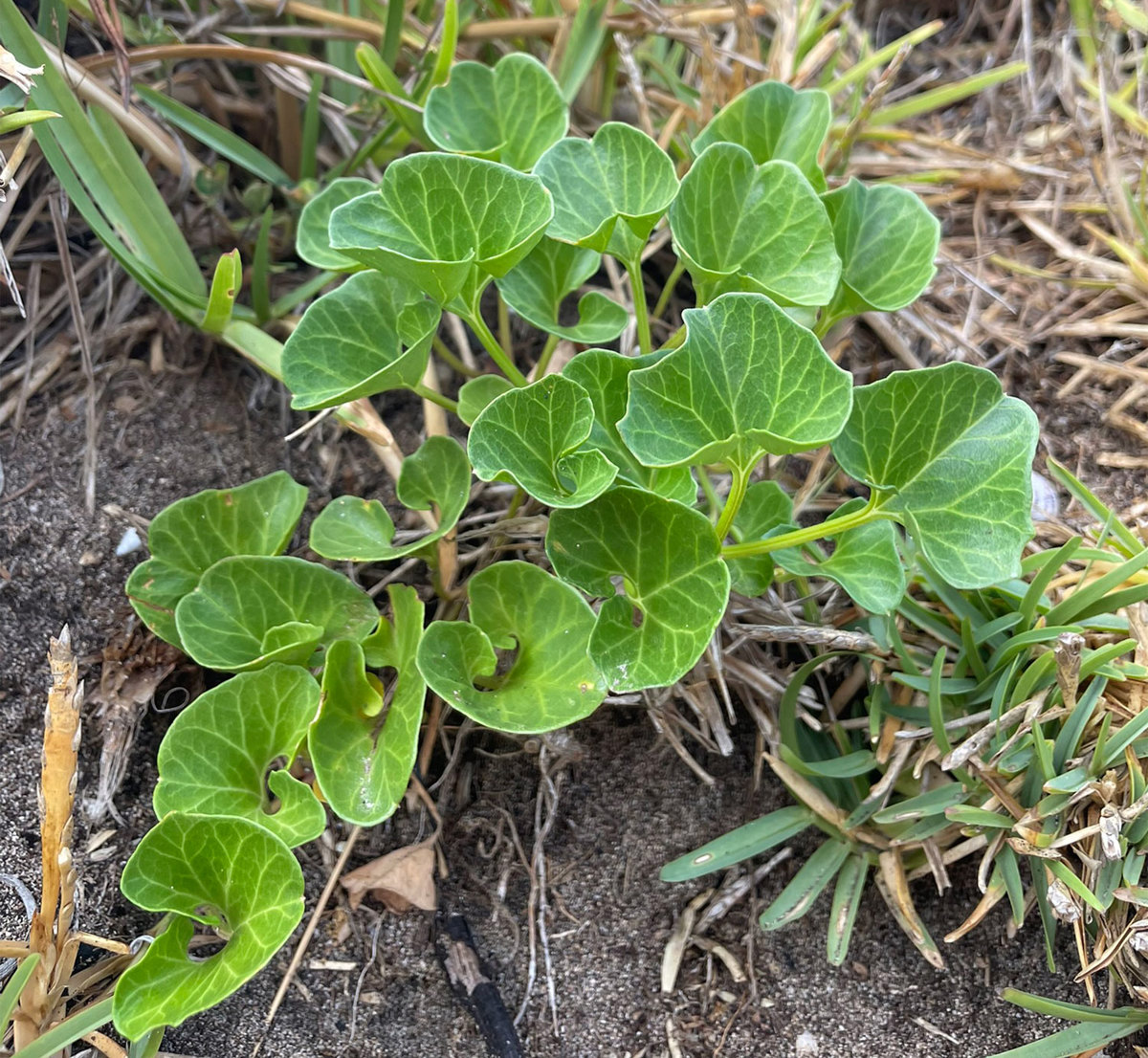
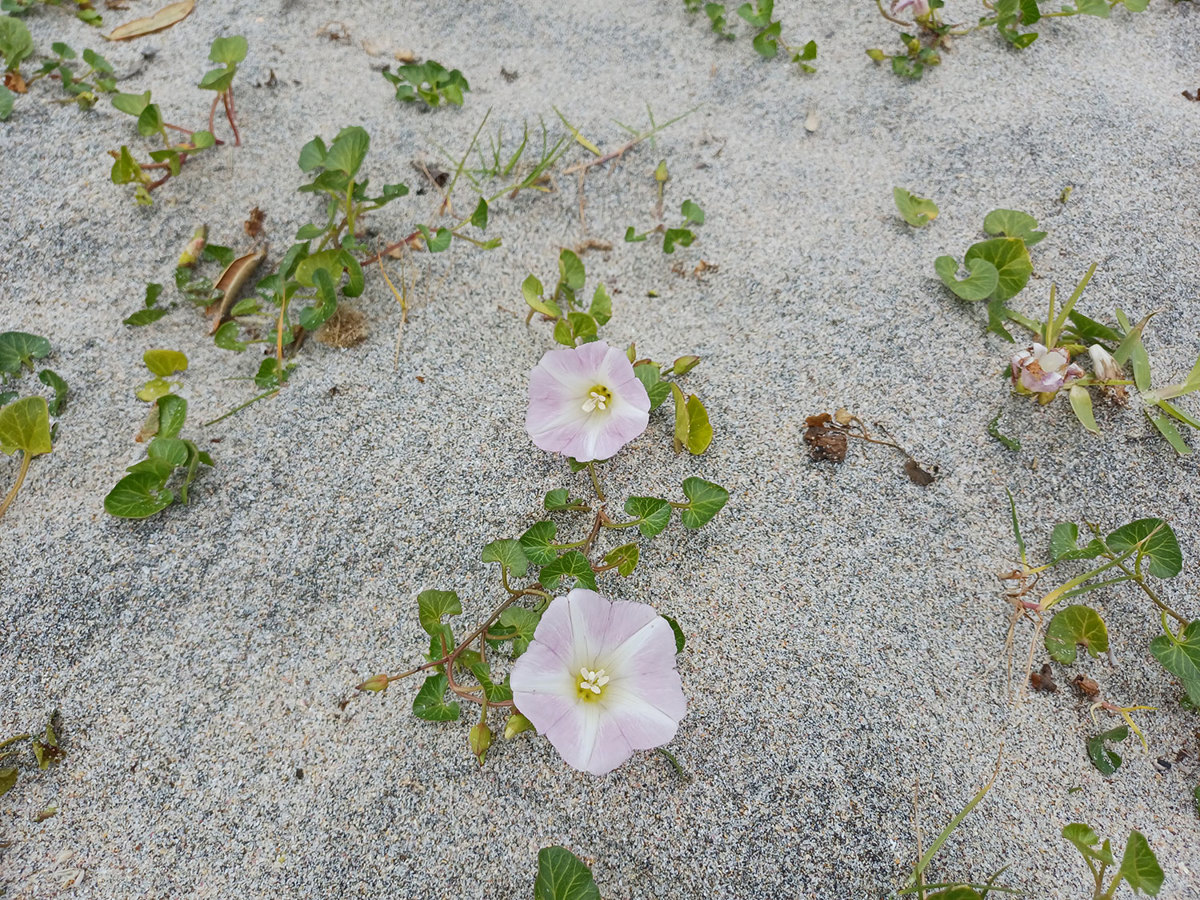
Nihinihi / shore bindweed (Convolvulus soldanella)
A creeping groundcover with fleshy leaves and pink-and-white flowers. Spreads across bare sand and amongst other dune plants, helping stabilise exposed areas.