

Back-dune
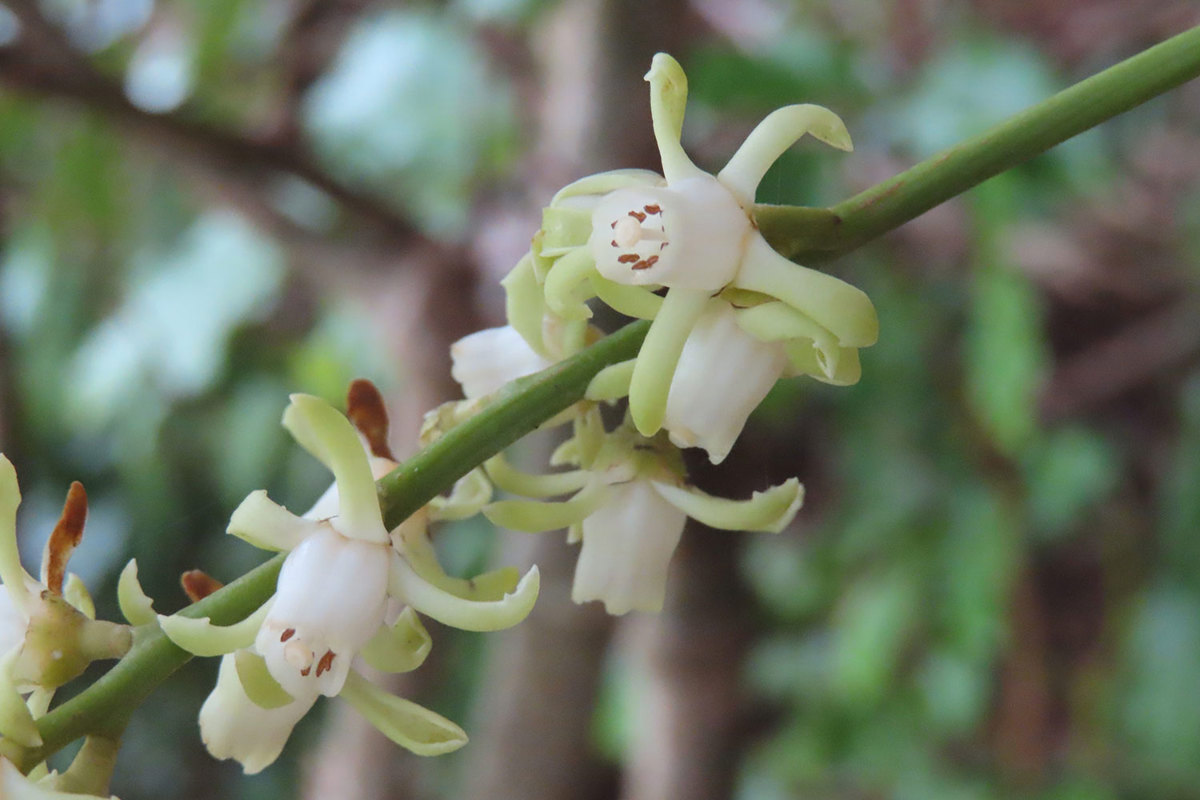
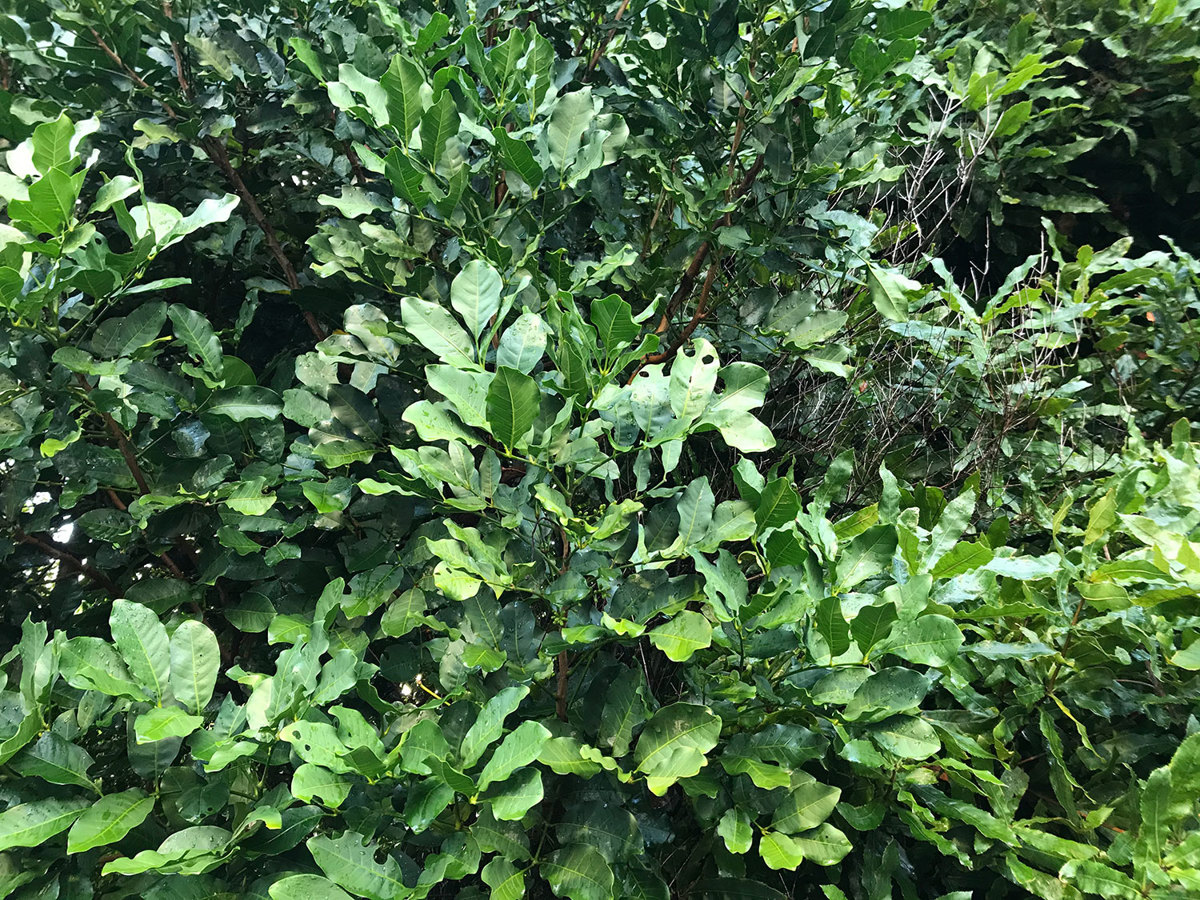
Back-dunes are the most sheltered and stable part of the dune system. They can range from small areas with a few plants to large dune landscapes that support a wide variety of native plants and wildlife, providing valuable habitat for many species.
Back-dune plants
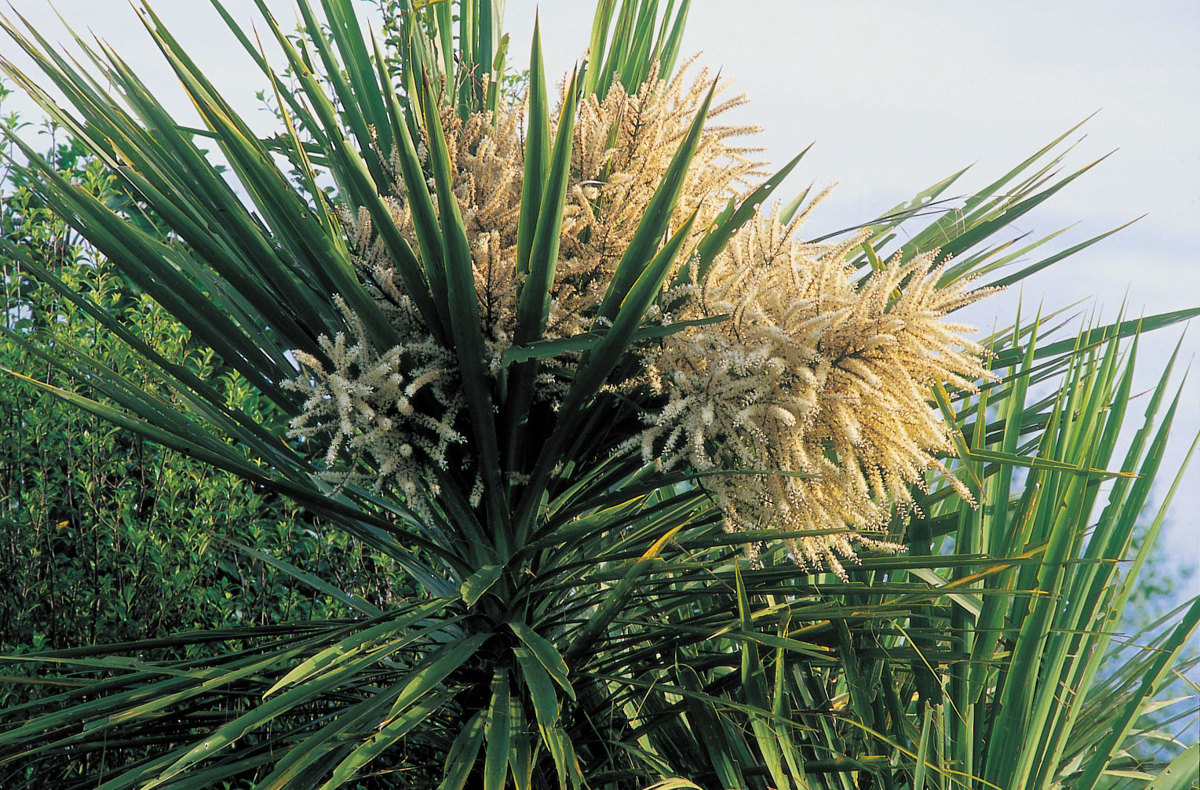
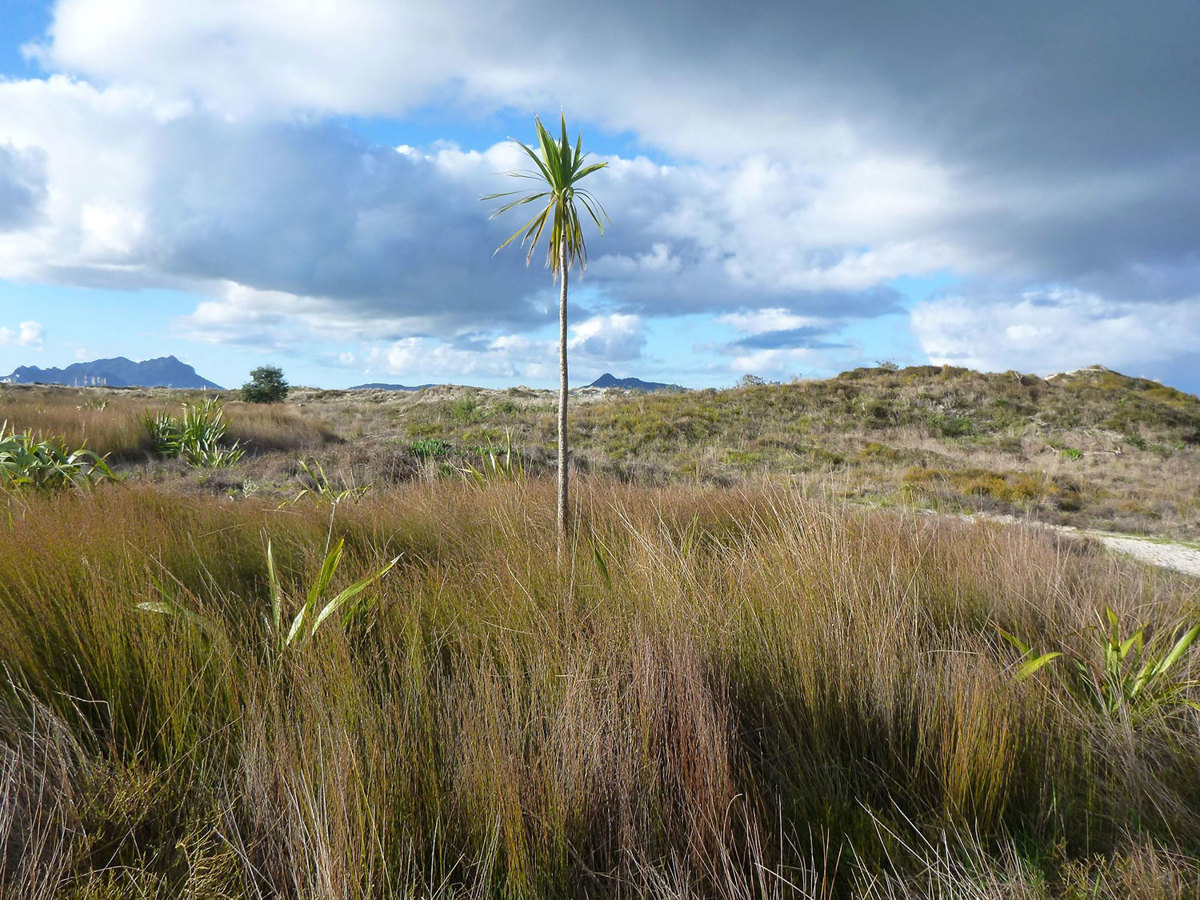
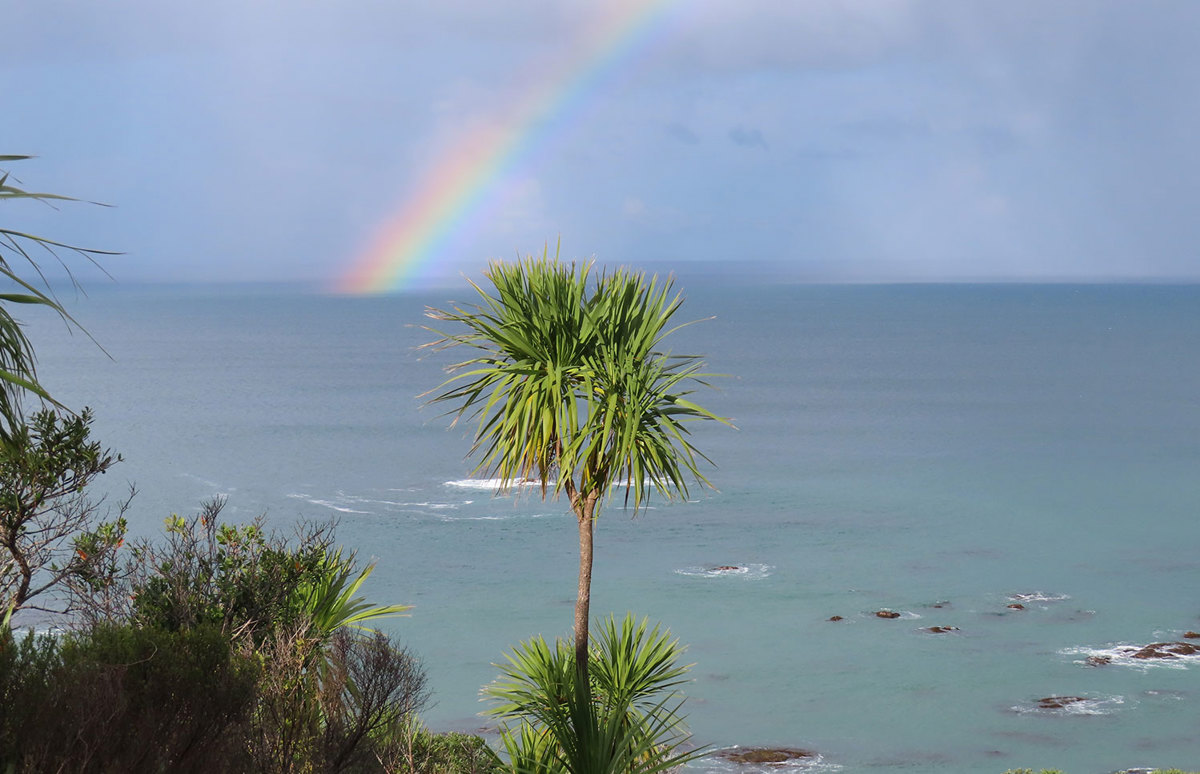
Tī kōuka / cabbage tree (Cordyline australis)
A distinctive native tree that adds height and structure to back-dune areas. Its berries provide food for native birds.
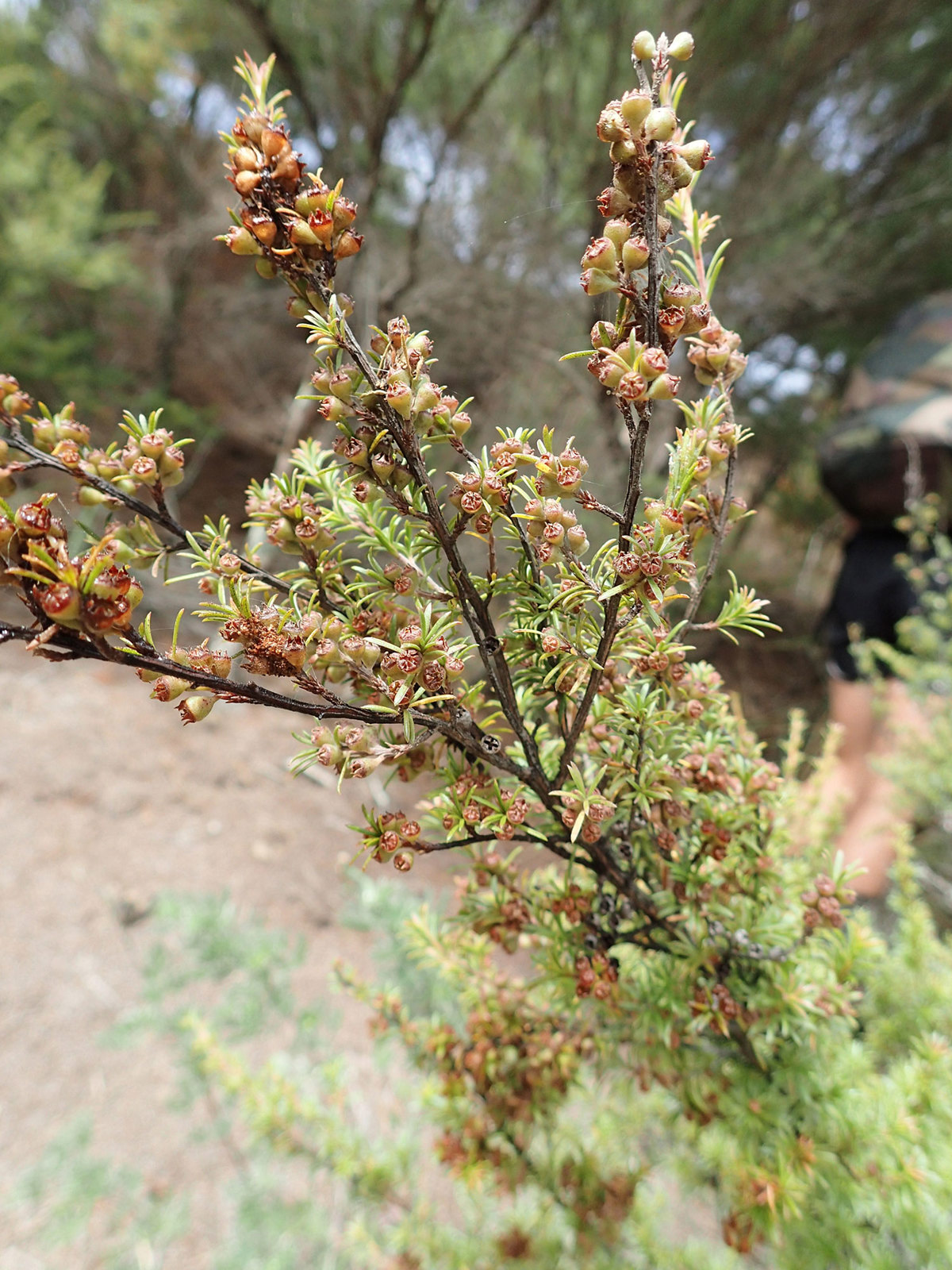
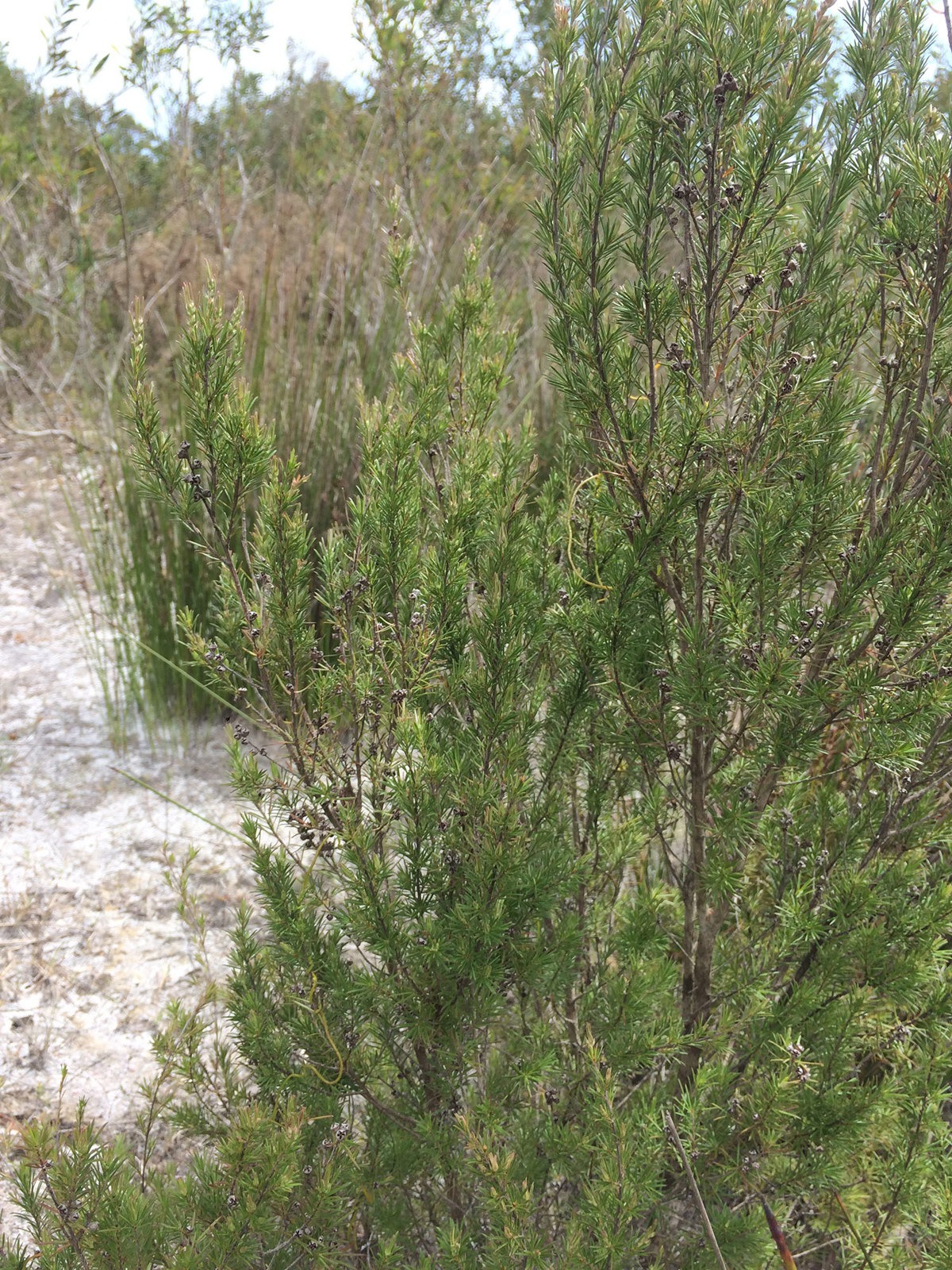
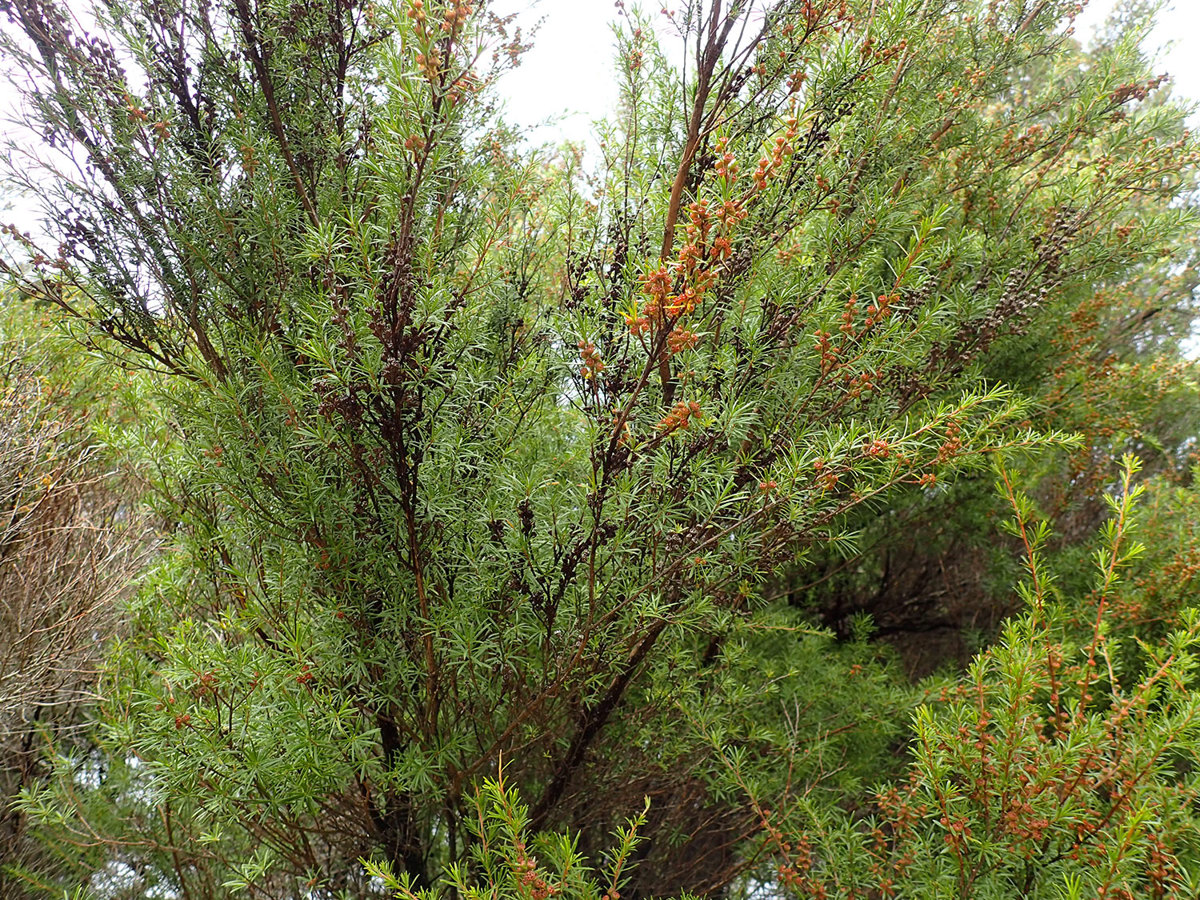
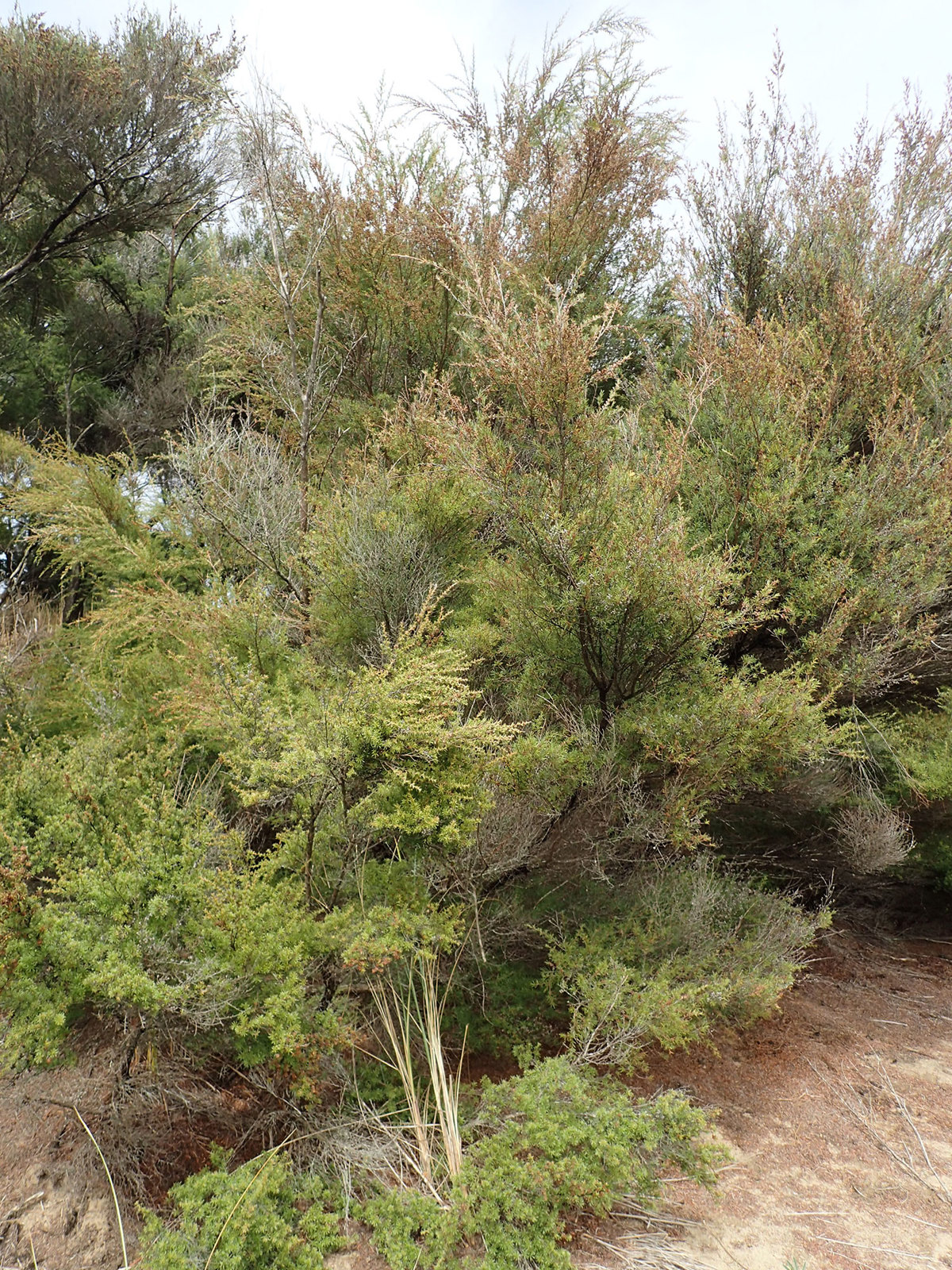
Rawiri mānuka / sand kānuka (Kunzea linearis)
A threatened coastal tree endemic to northern New Zealand. Helps stabilise back-dunes and provides shelter for other native plants.
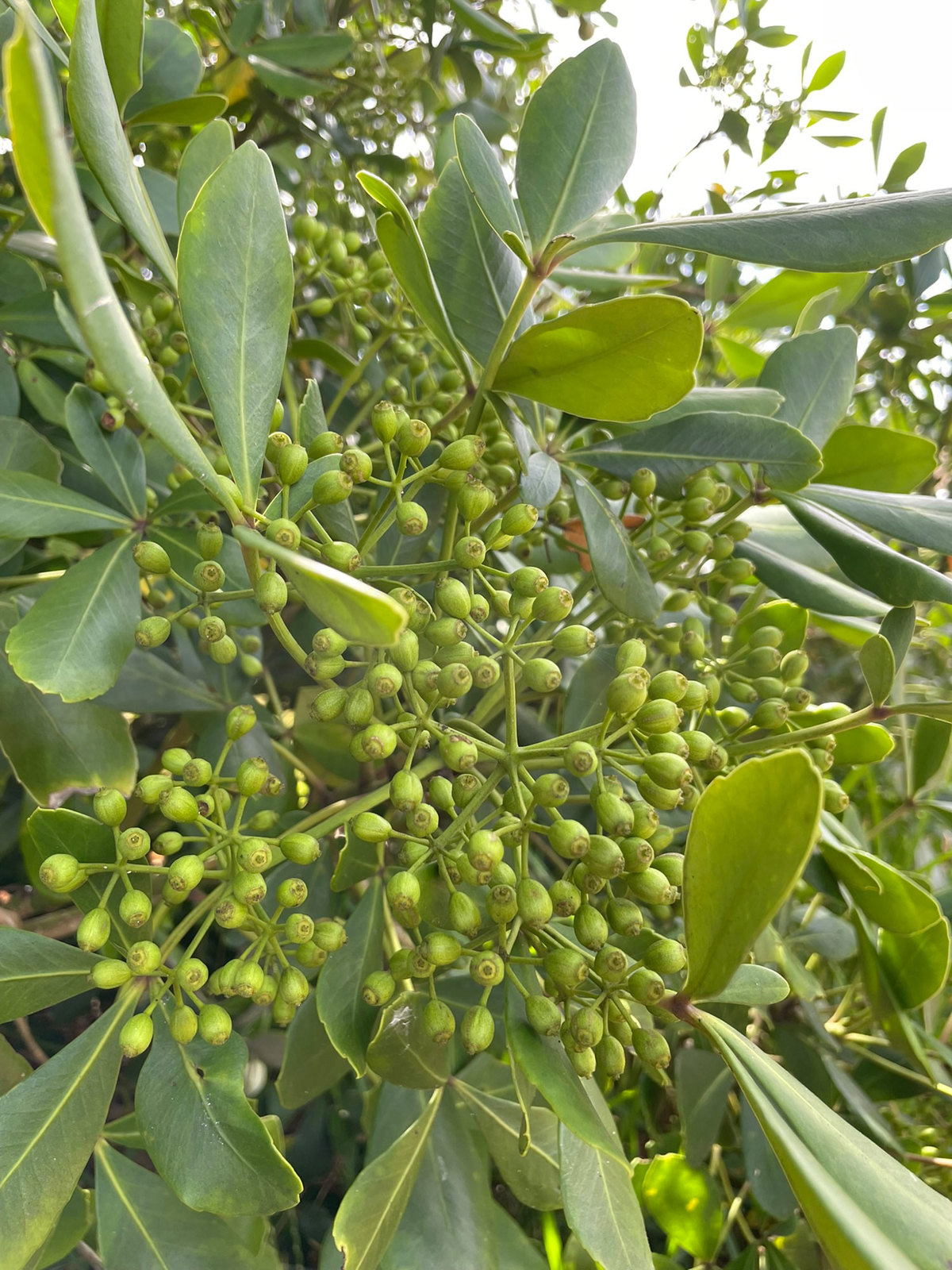
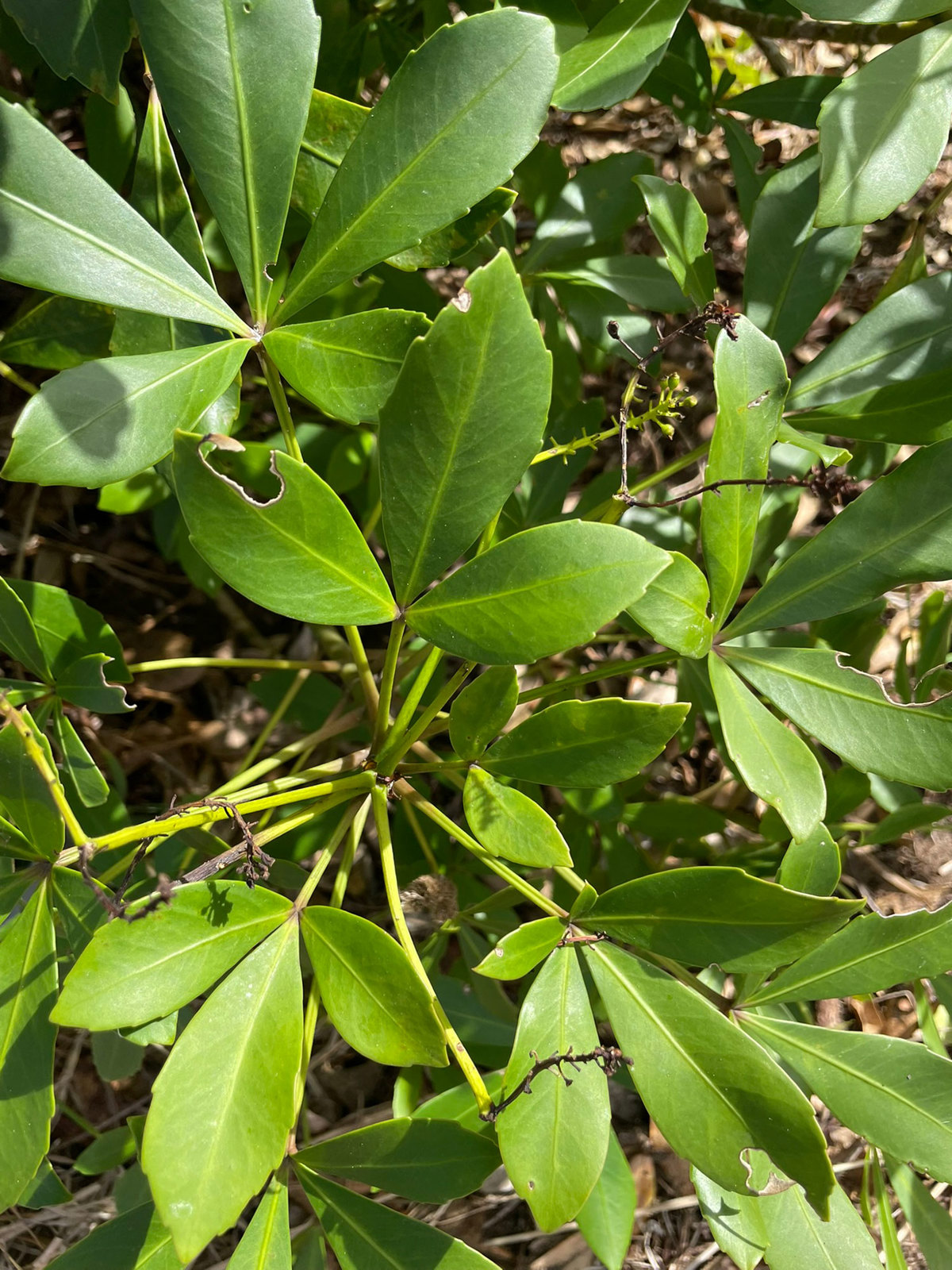
Houpara / coastal five finger (Pseudopanax lessonii)
A hardy coastal tree with large glossy leaves. Provides bird food and shelter in degraded back-dune sites.
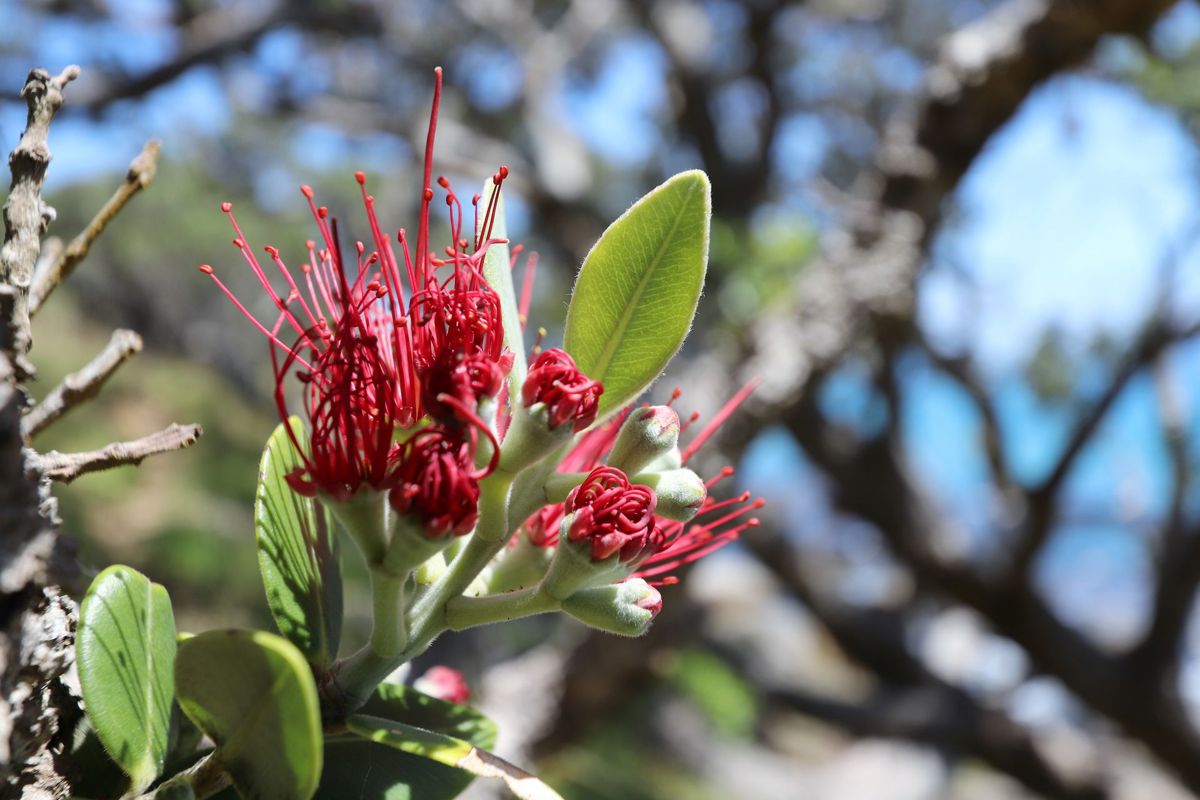
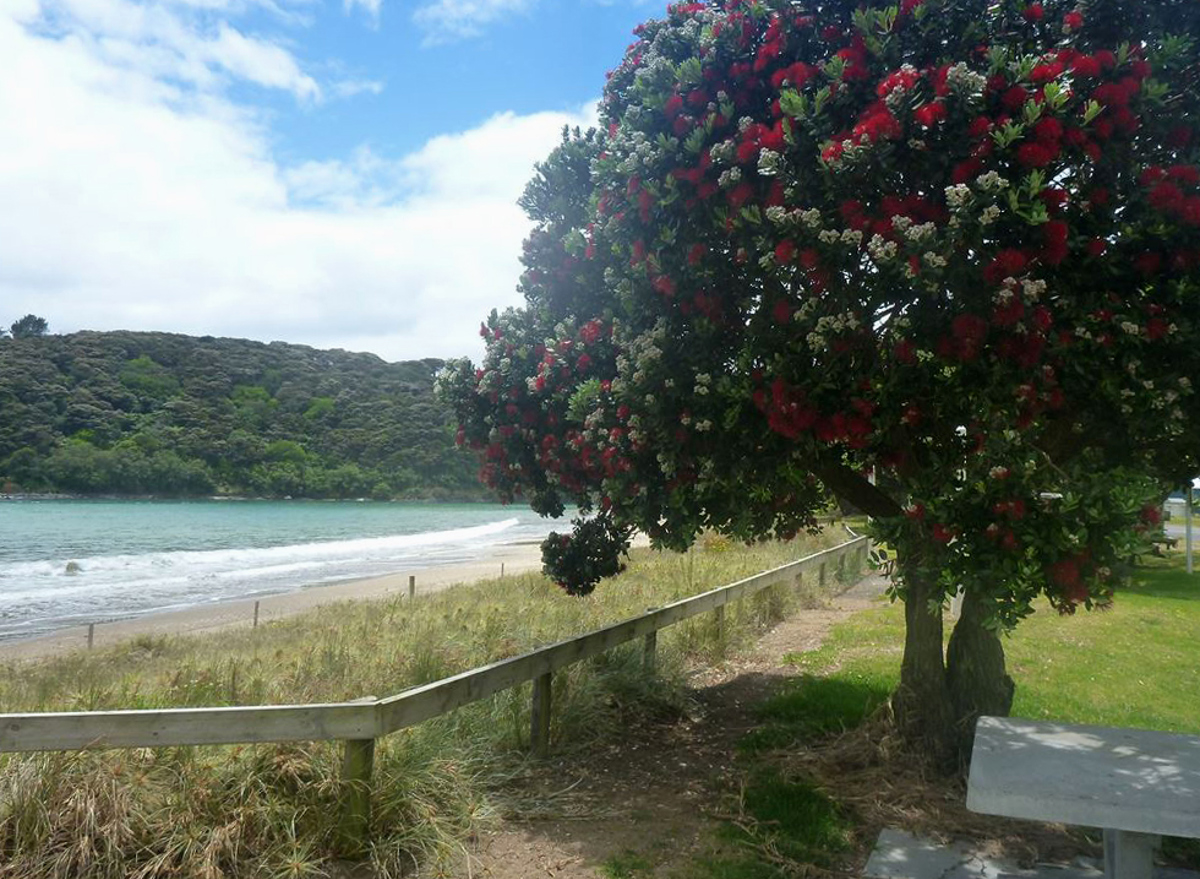
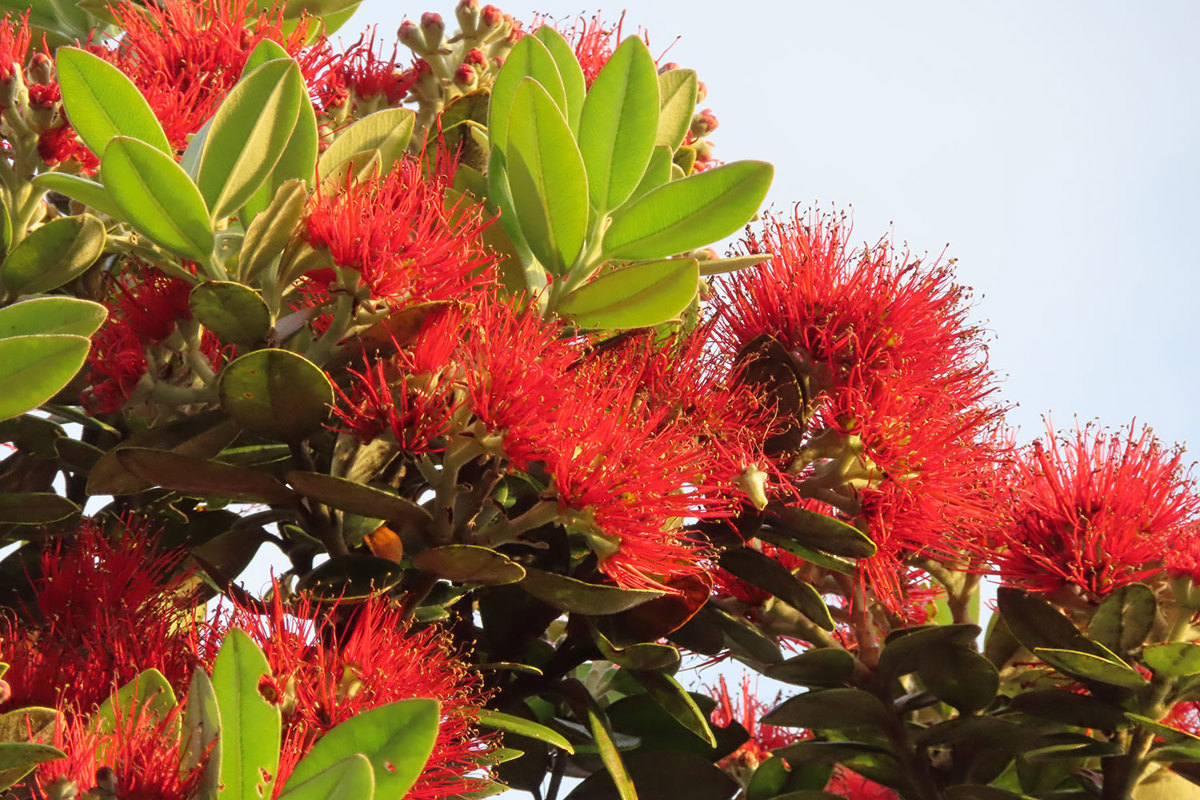
Pōhutukawa (Metrosideros excelsa)
New Zealand's iconic coastal tree. Its roots help stabilise older dunes, while summer flowers provide nectar for birds, insects, and geckos.
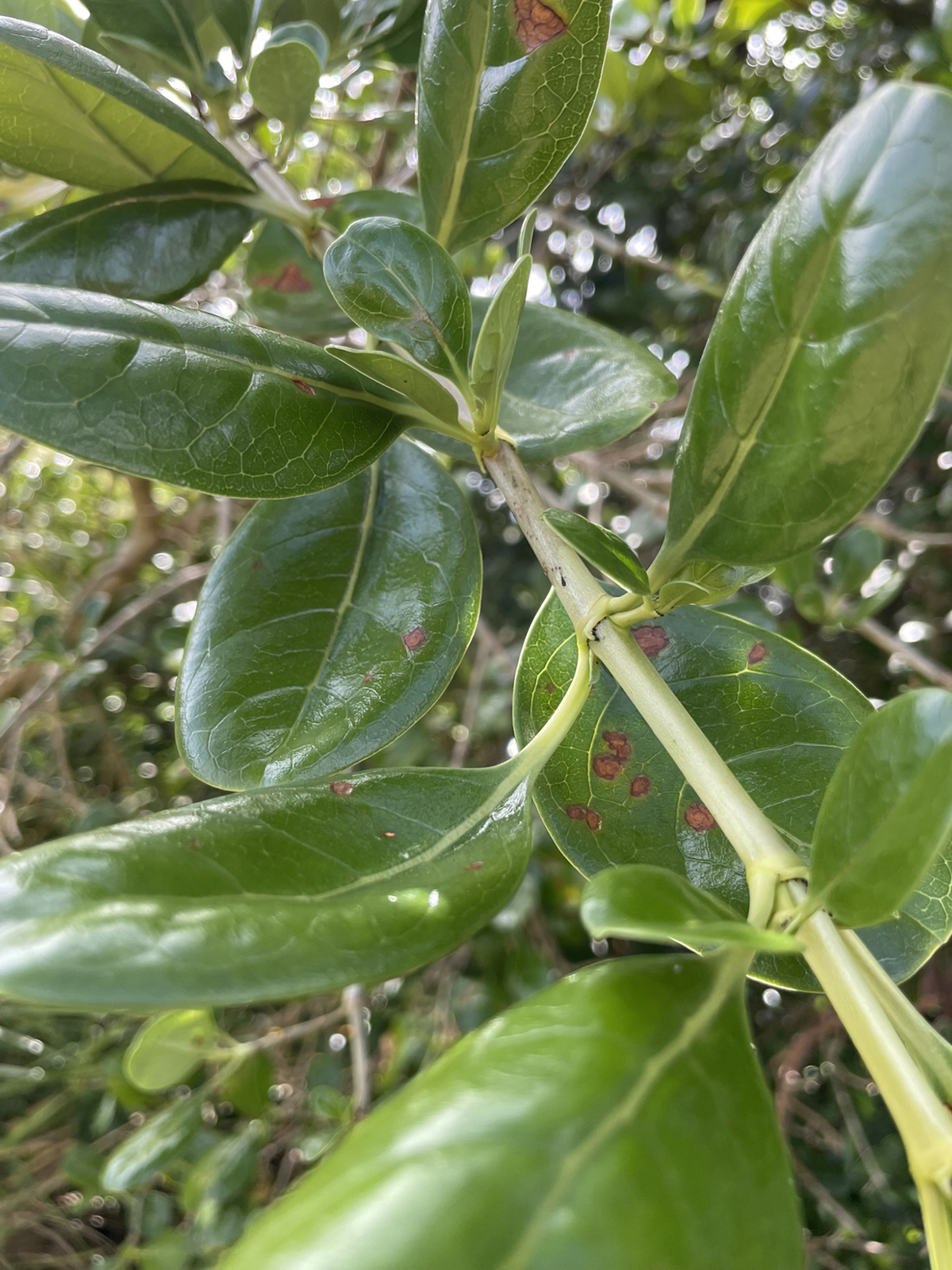
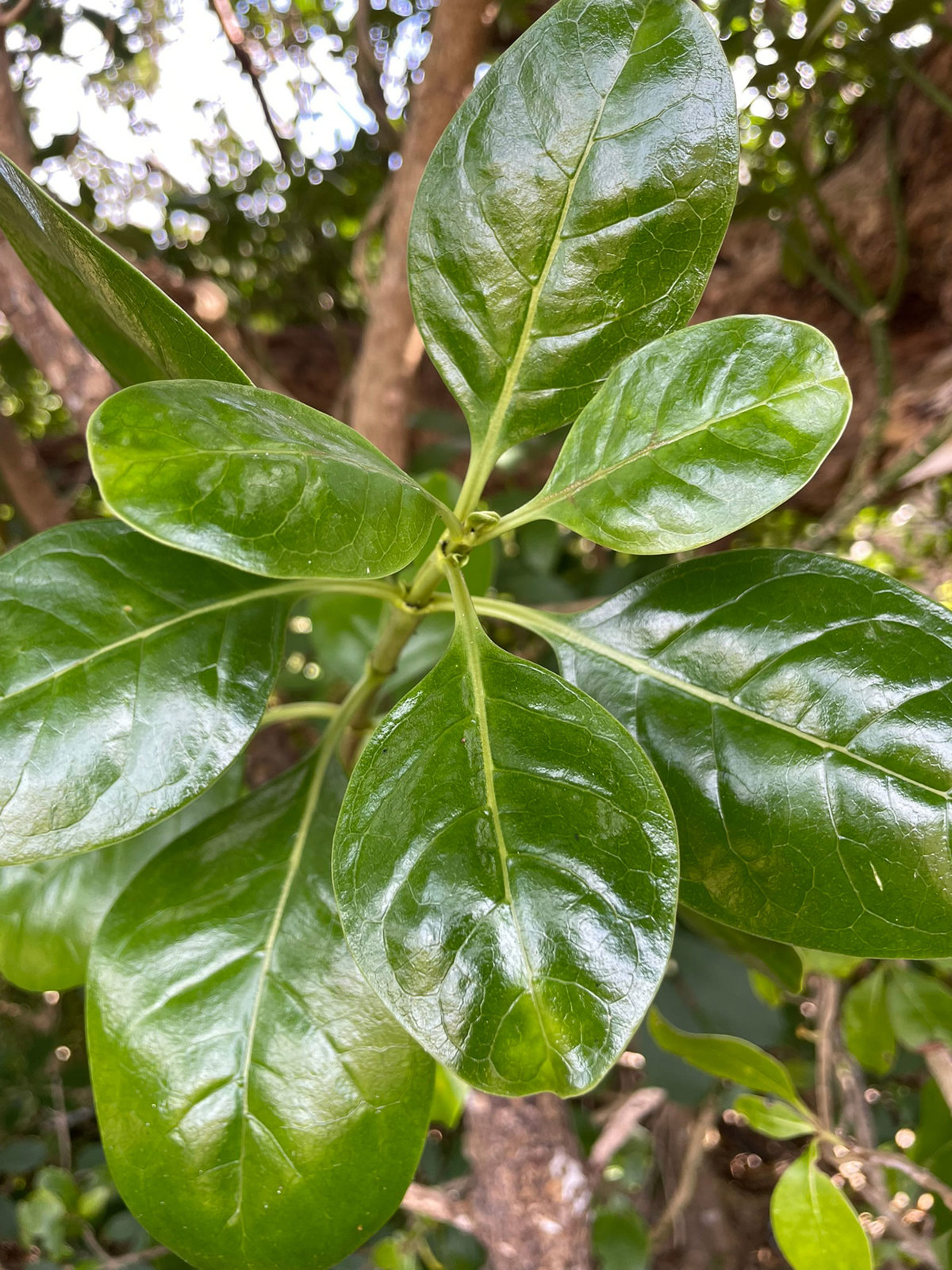
Taupata (Coprosma repens)
A fast-growing coastal shrub that provides shelter and produces berries for native birds. Excellent for establishing cover in restoration projects.
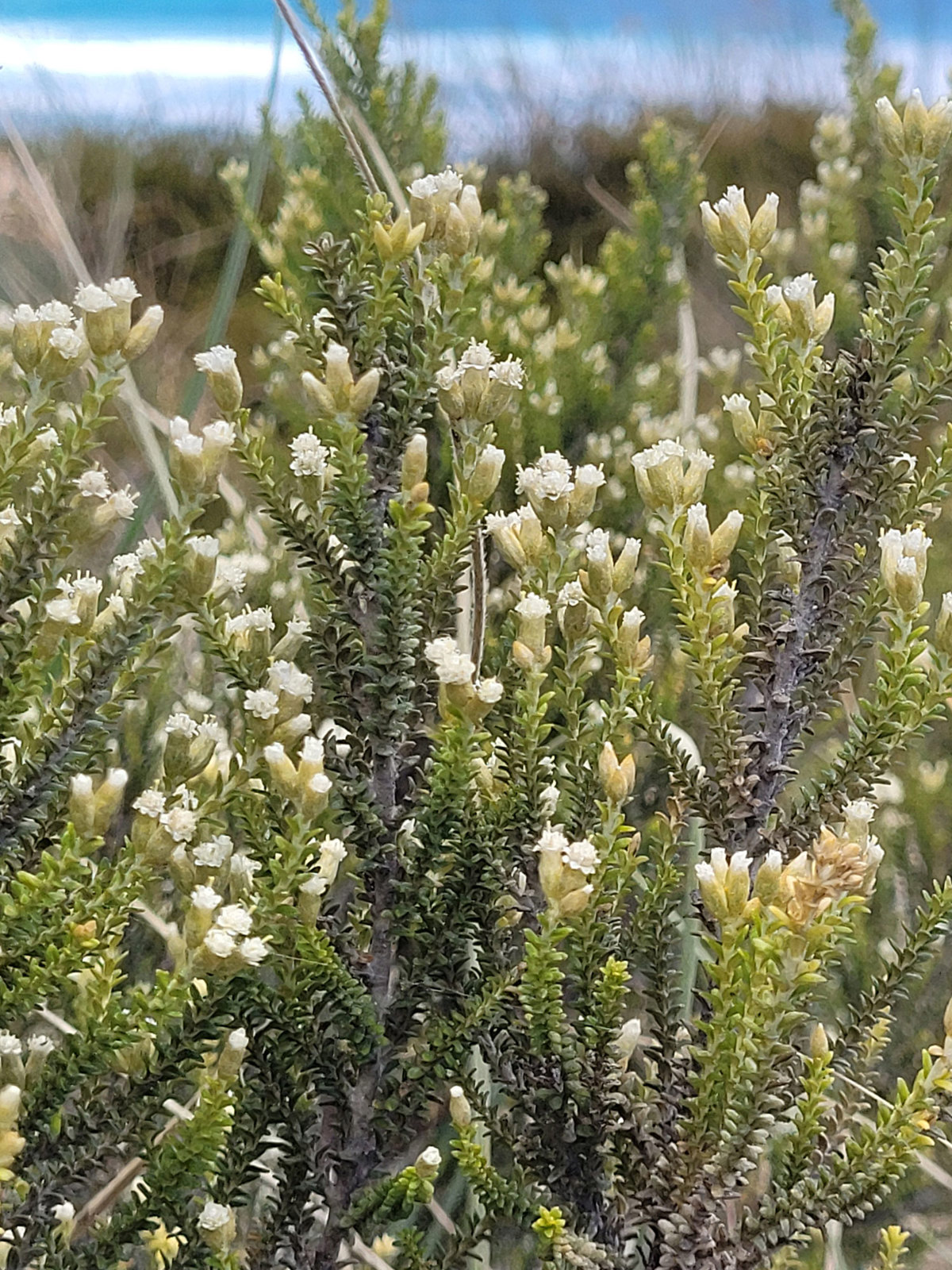
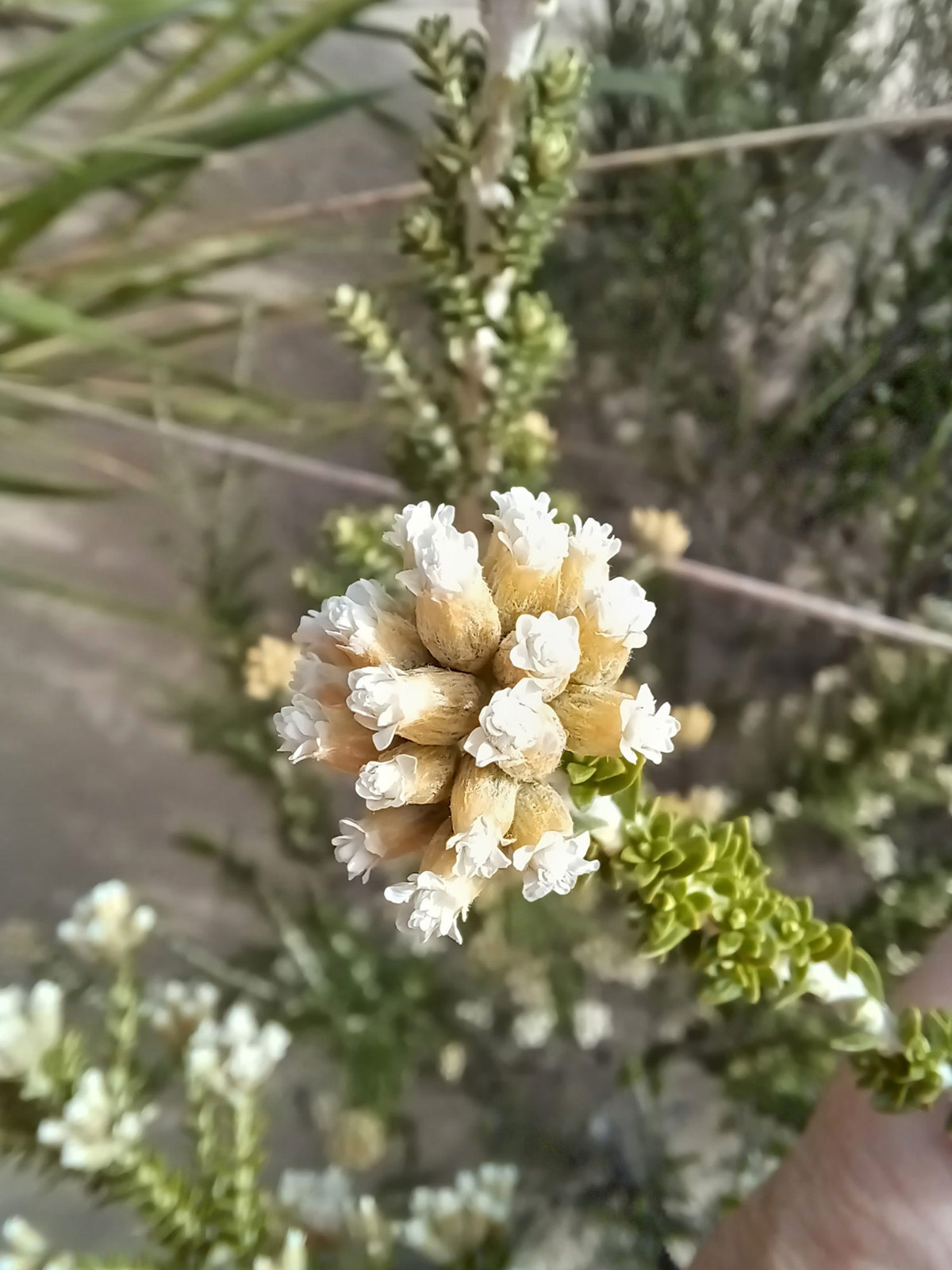
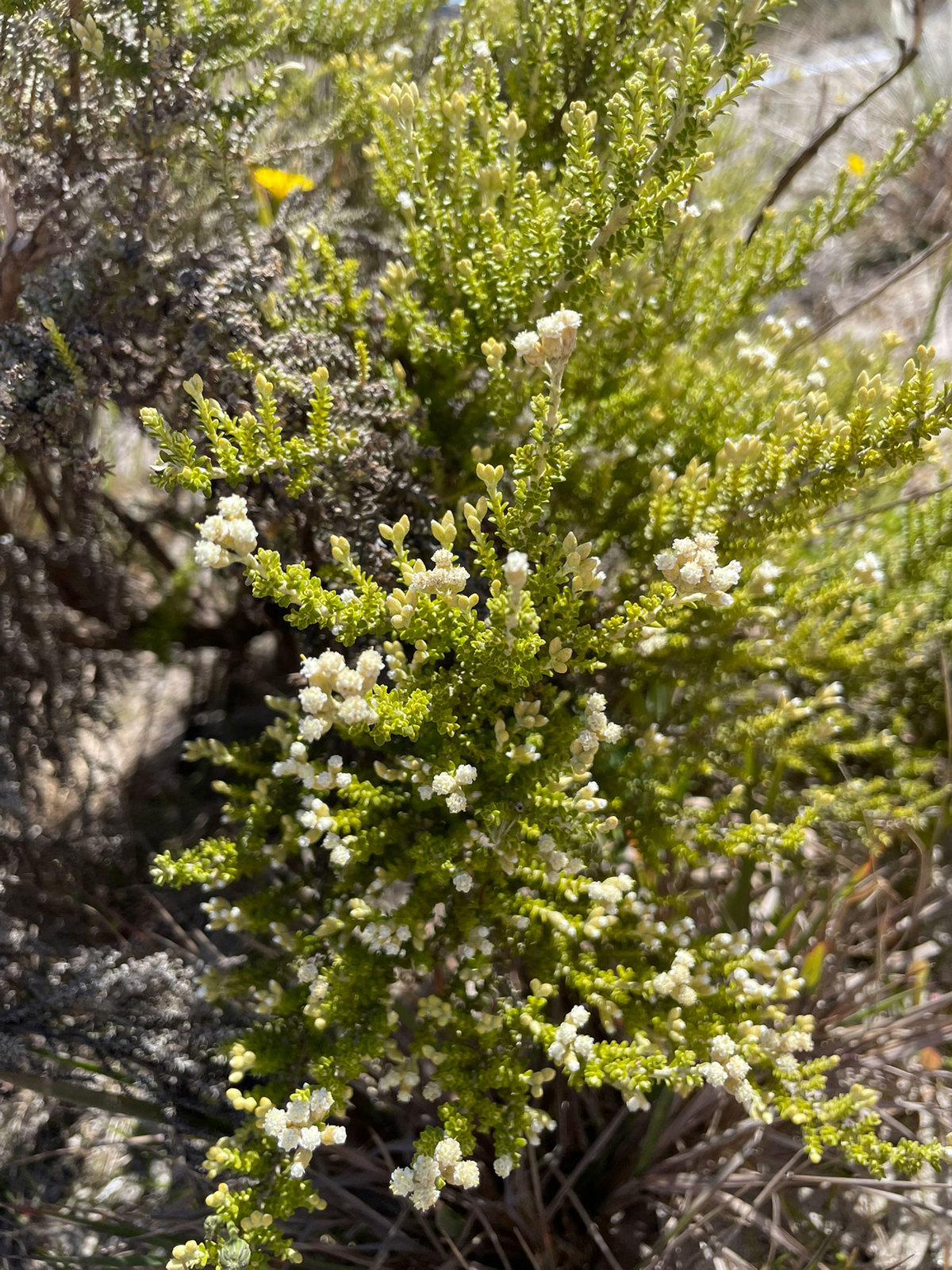
Tauhinu / cottonwood (Ozothamnus leptophyllus)
A small silver-grey shrub adapted to dry coastal conditions. Provides nectar for insects and shelter for young plants.
Ngaio (Myoporum laetum)
A fast-growing coastal tree that tolerates salt and wind. Useful for quickly creating shelter within restoration sites.
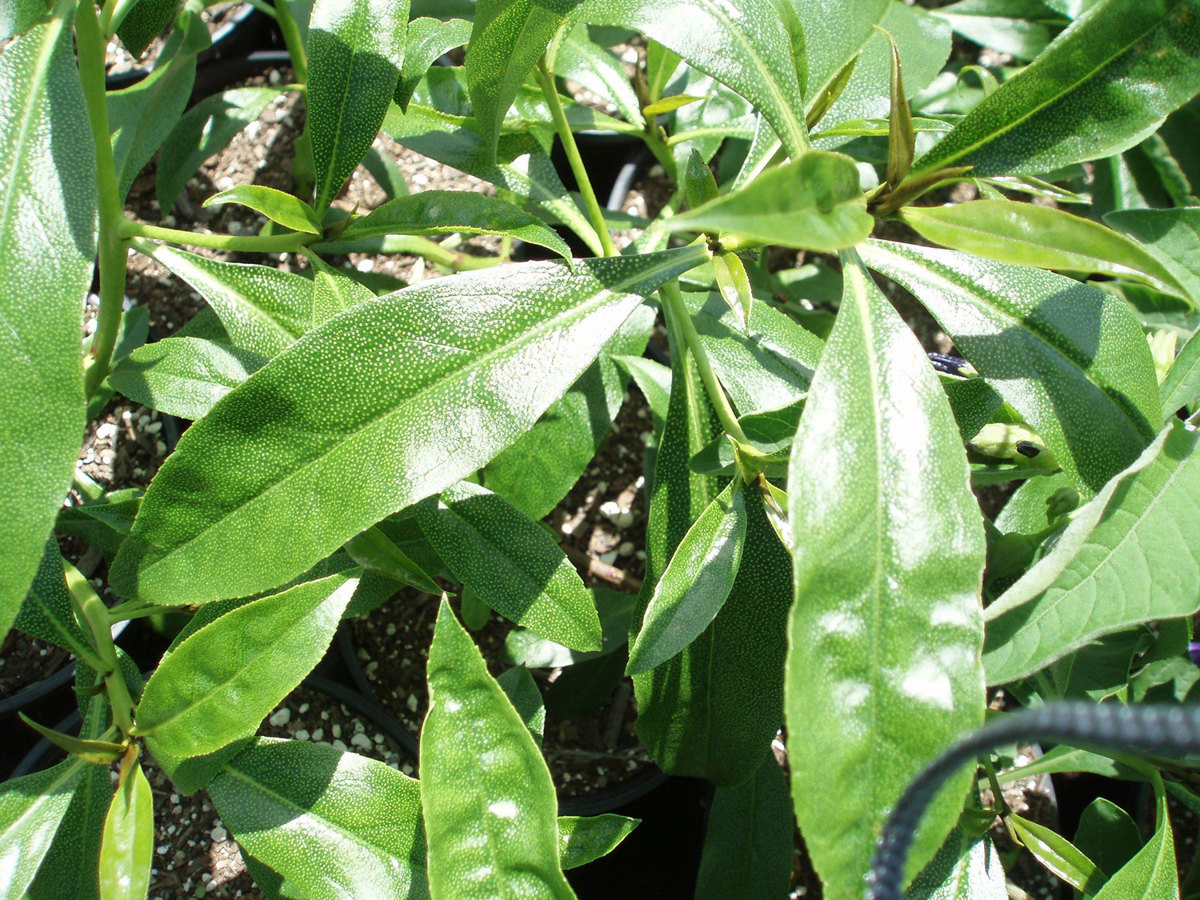
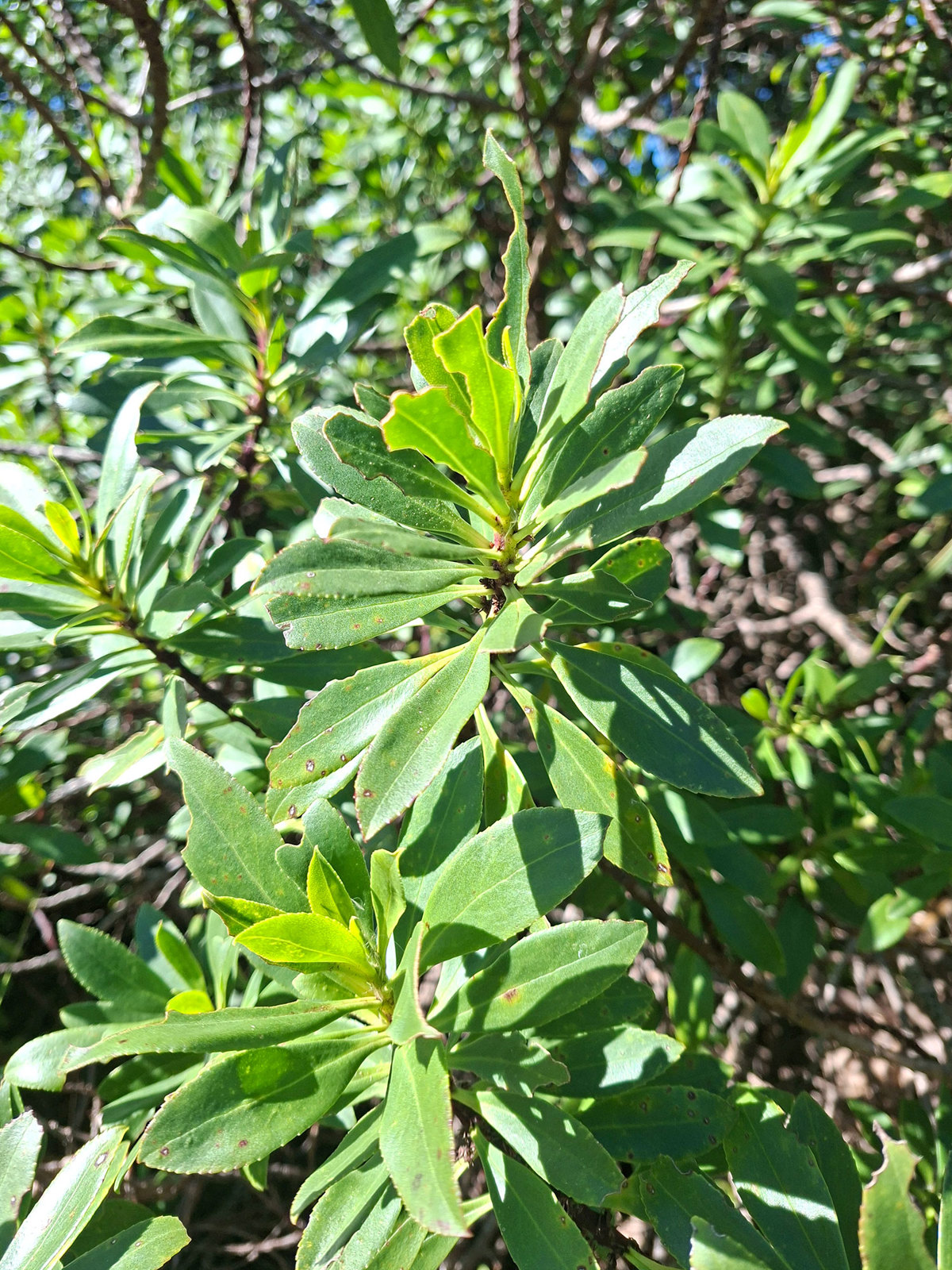
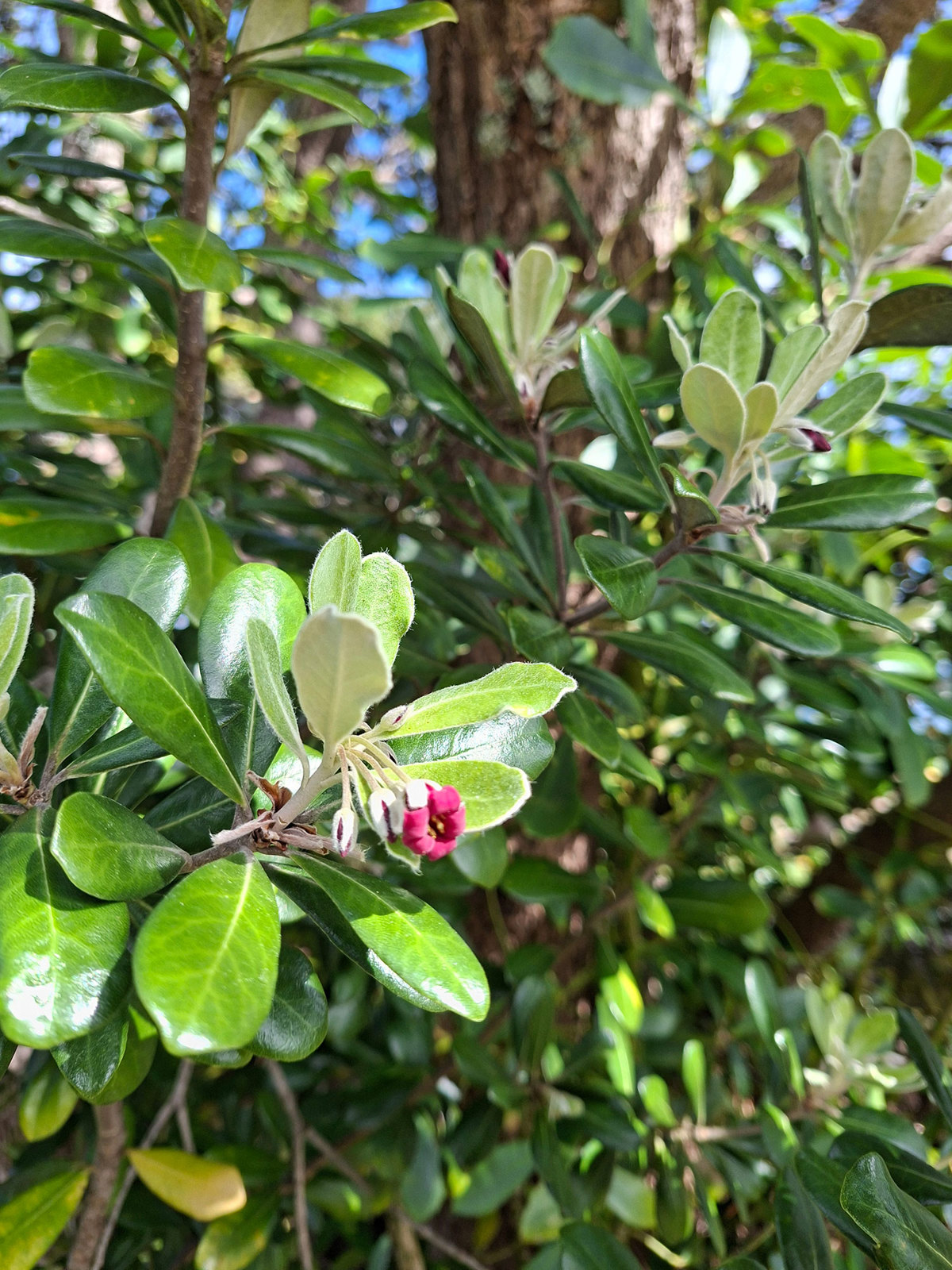
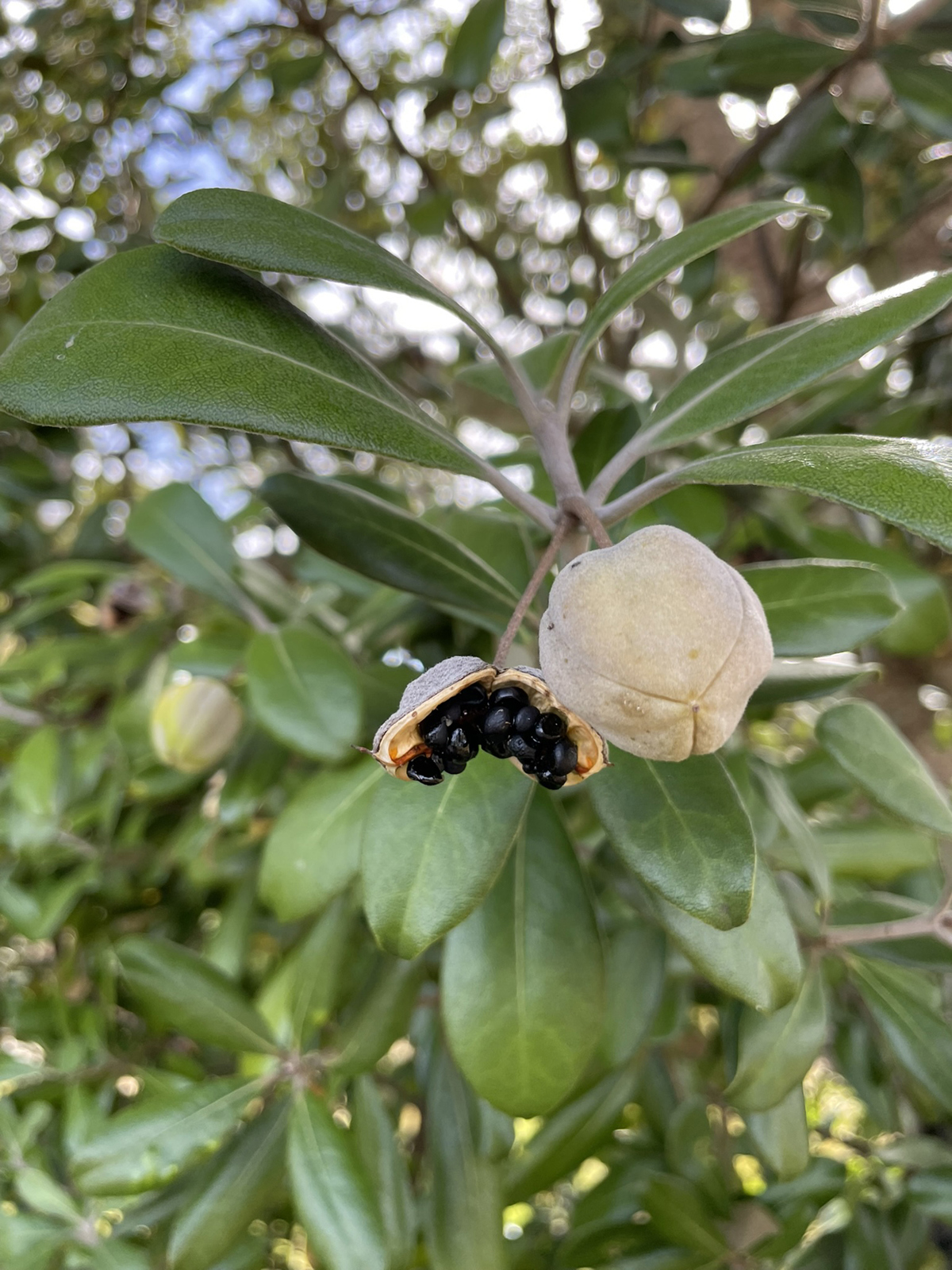
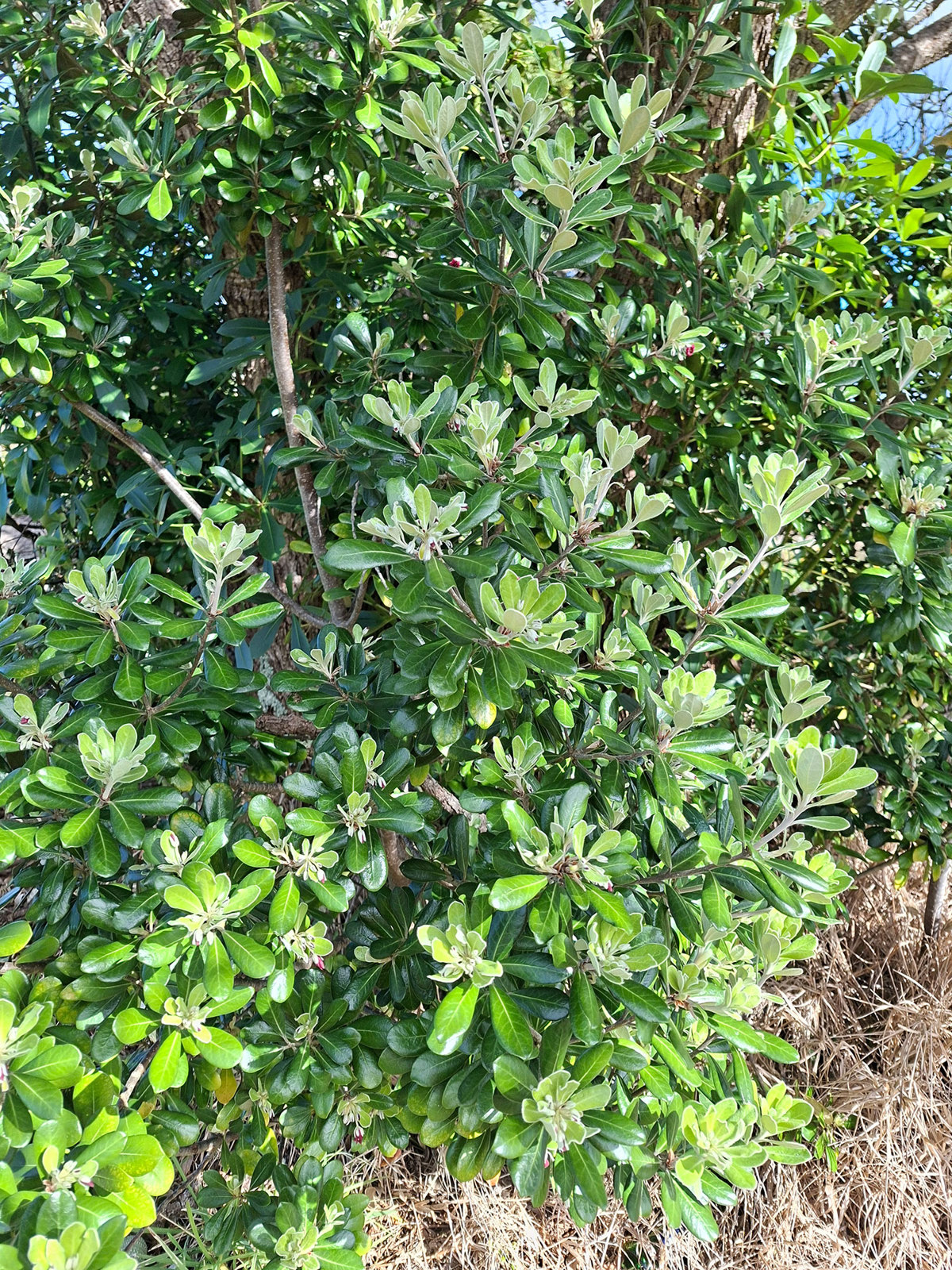
Karo (Pittosporum crassifolium)
A tough coastal shrub that thrives in exposed conditions. Provides shelter for native wildlife and other establishing plants.
Karamū (Coprosma robusta)
A fast-growing shrub producing abundant berries for native birds. Useful for rapidly establishing canopy cover.
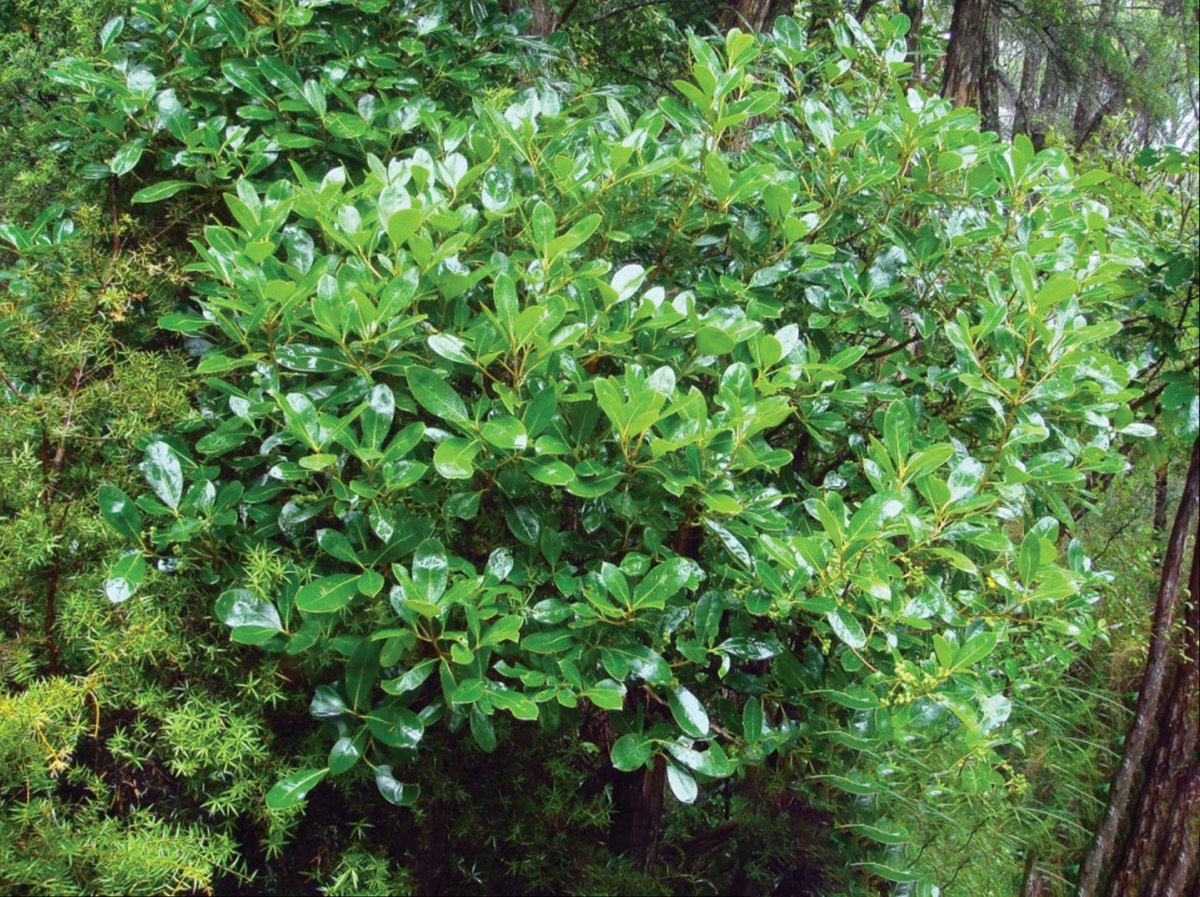
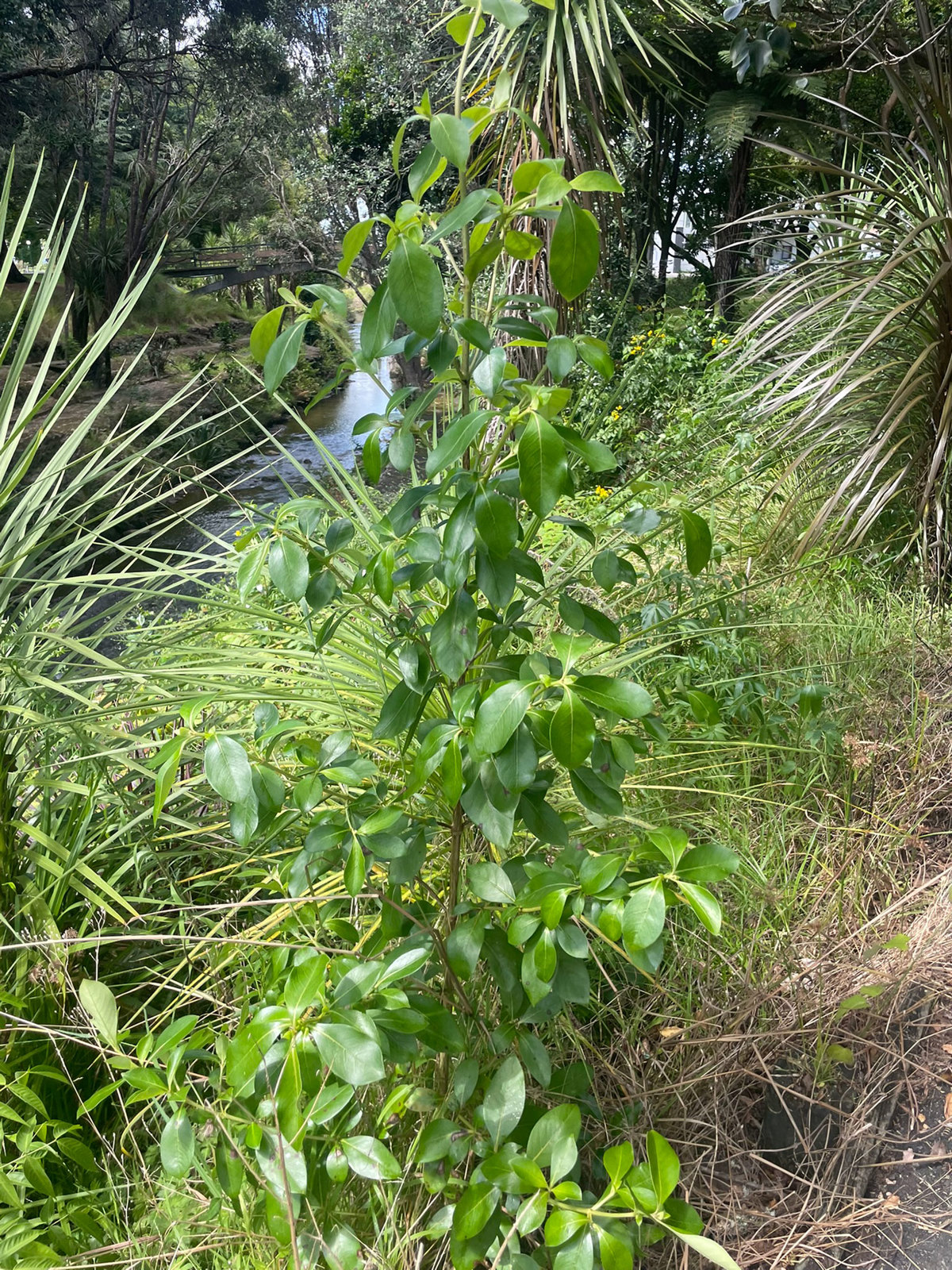
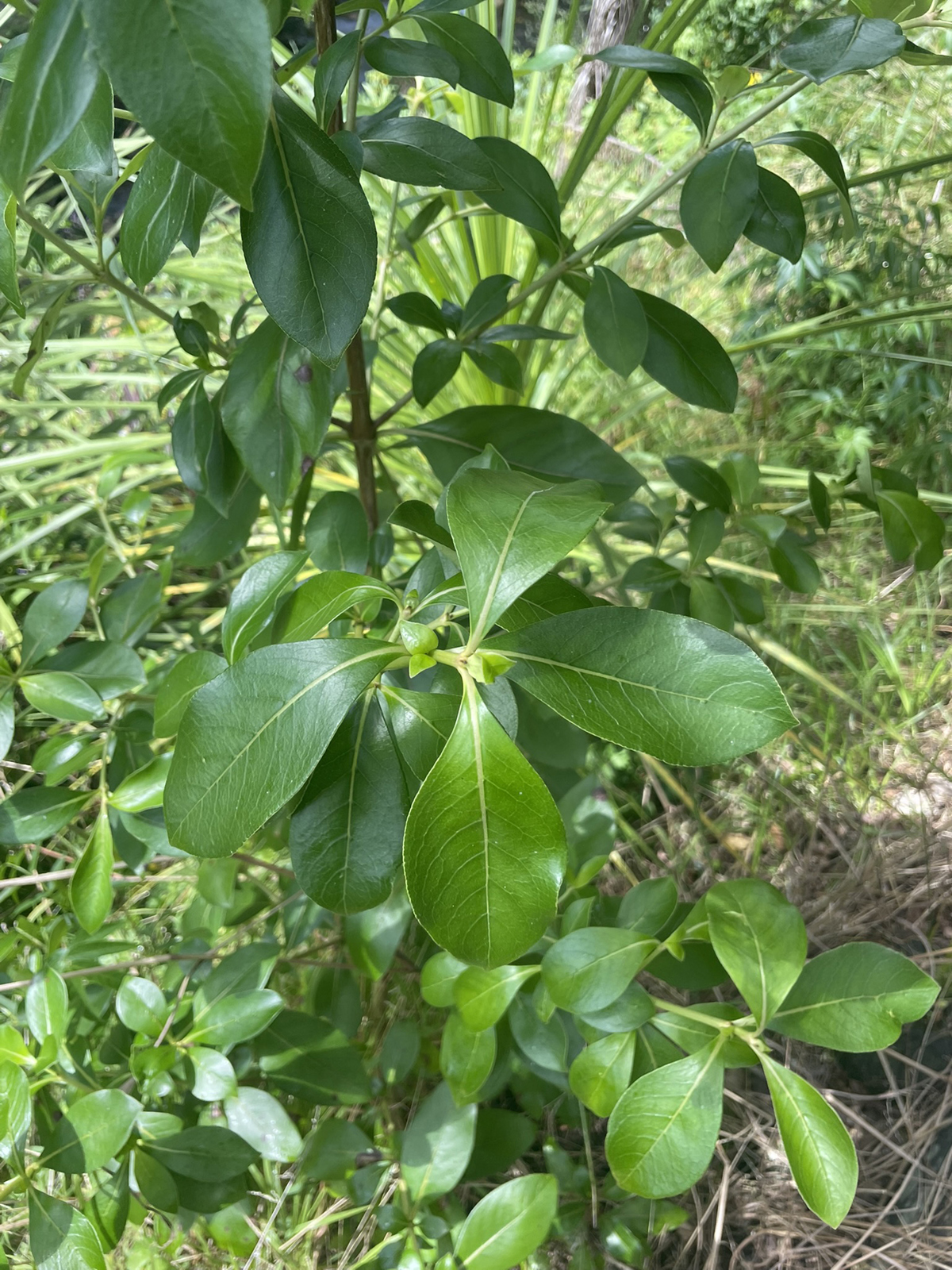
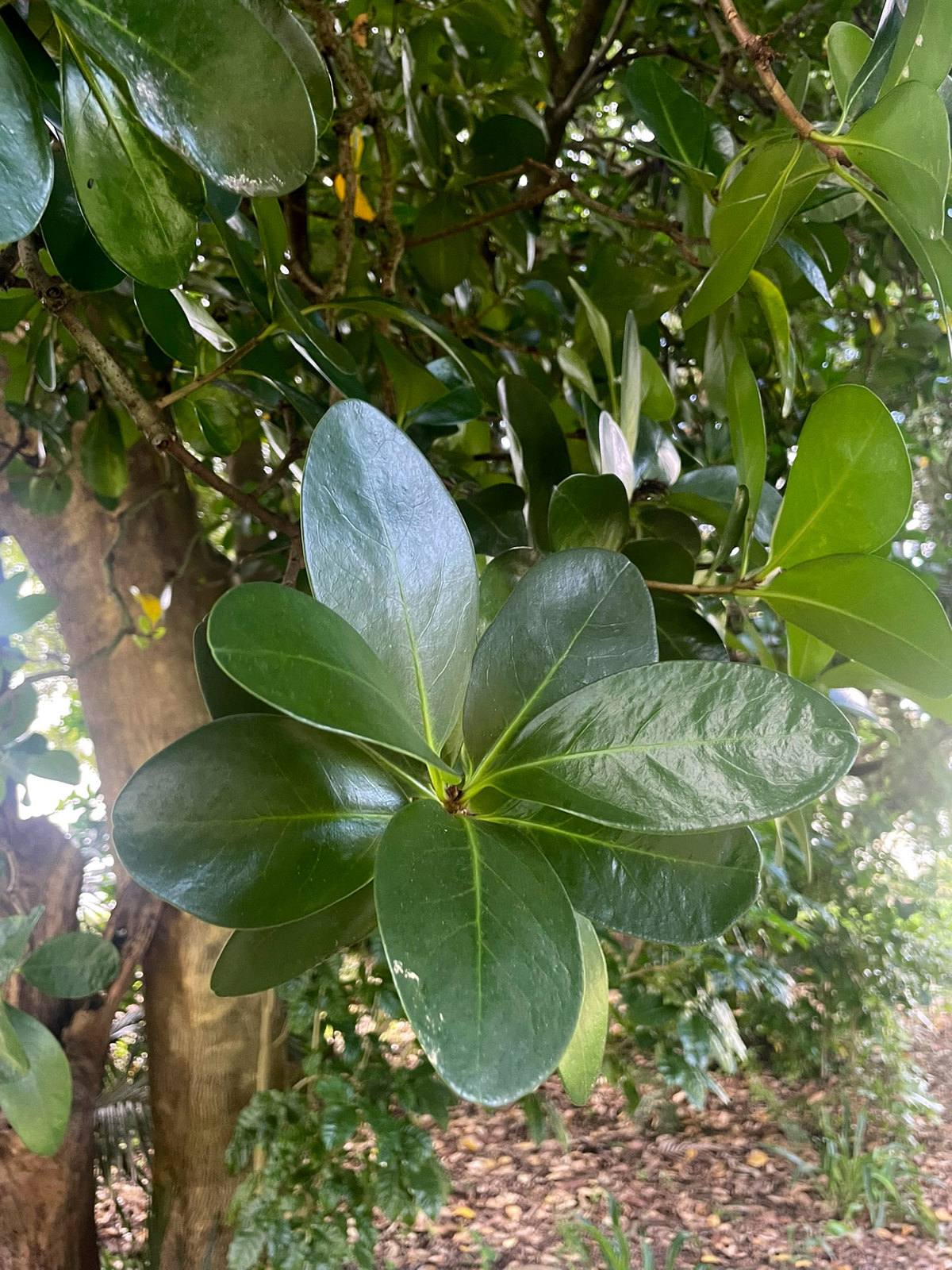
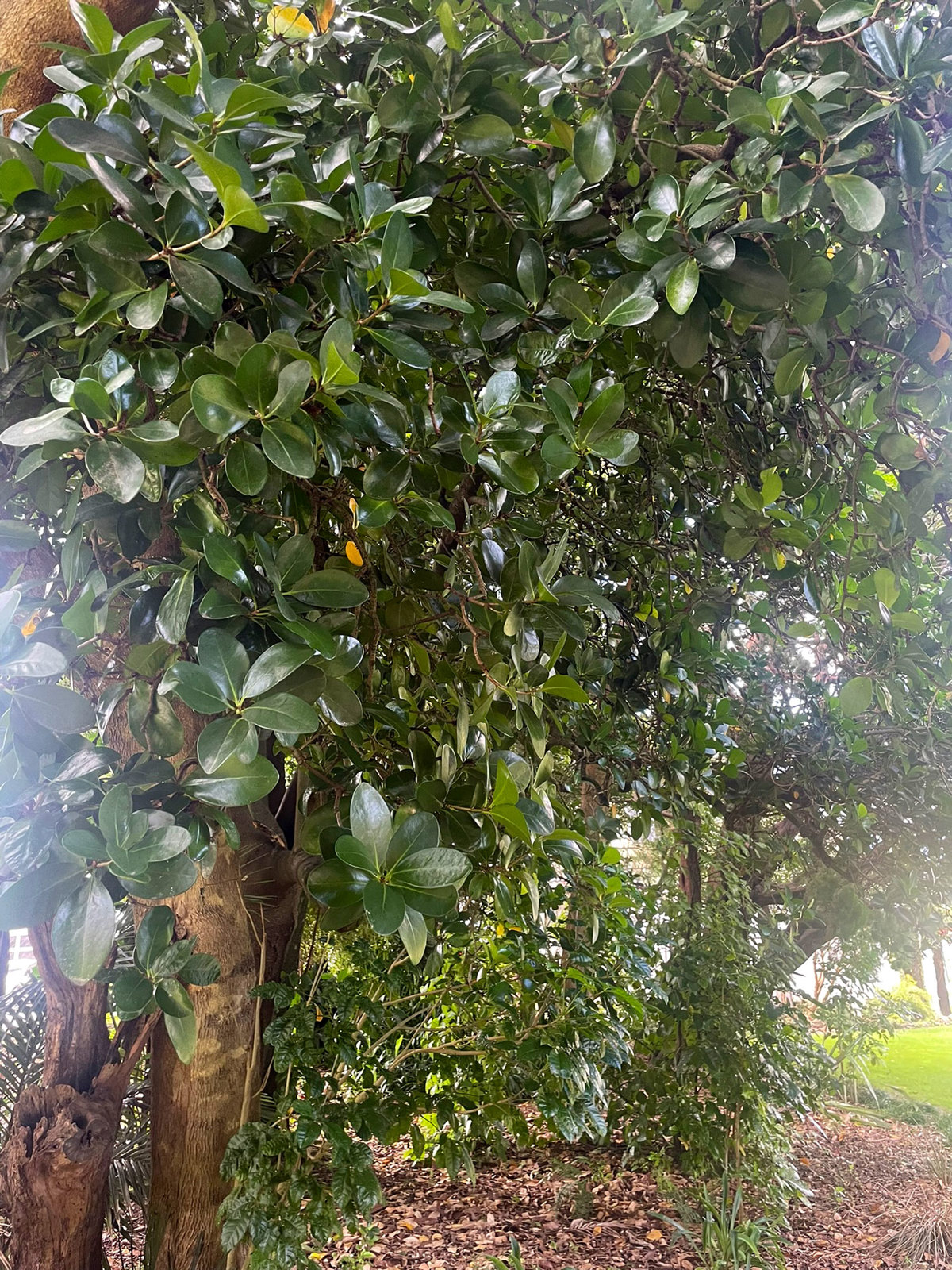
Karaka (Corynocarpus laevigatus)
A broad-canopied coastal tree suited to sheltered back-dune sites. Its fruit provides food for native birds.
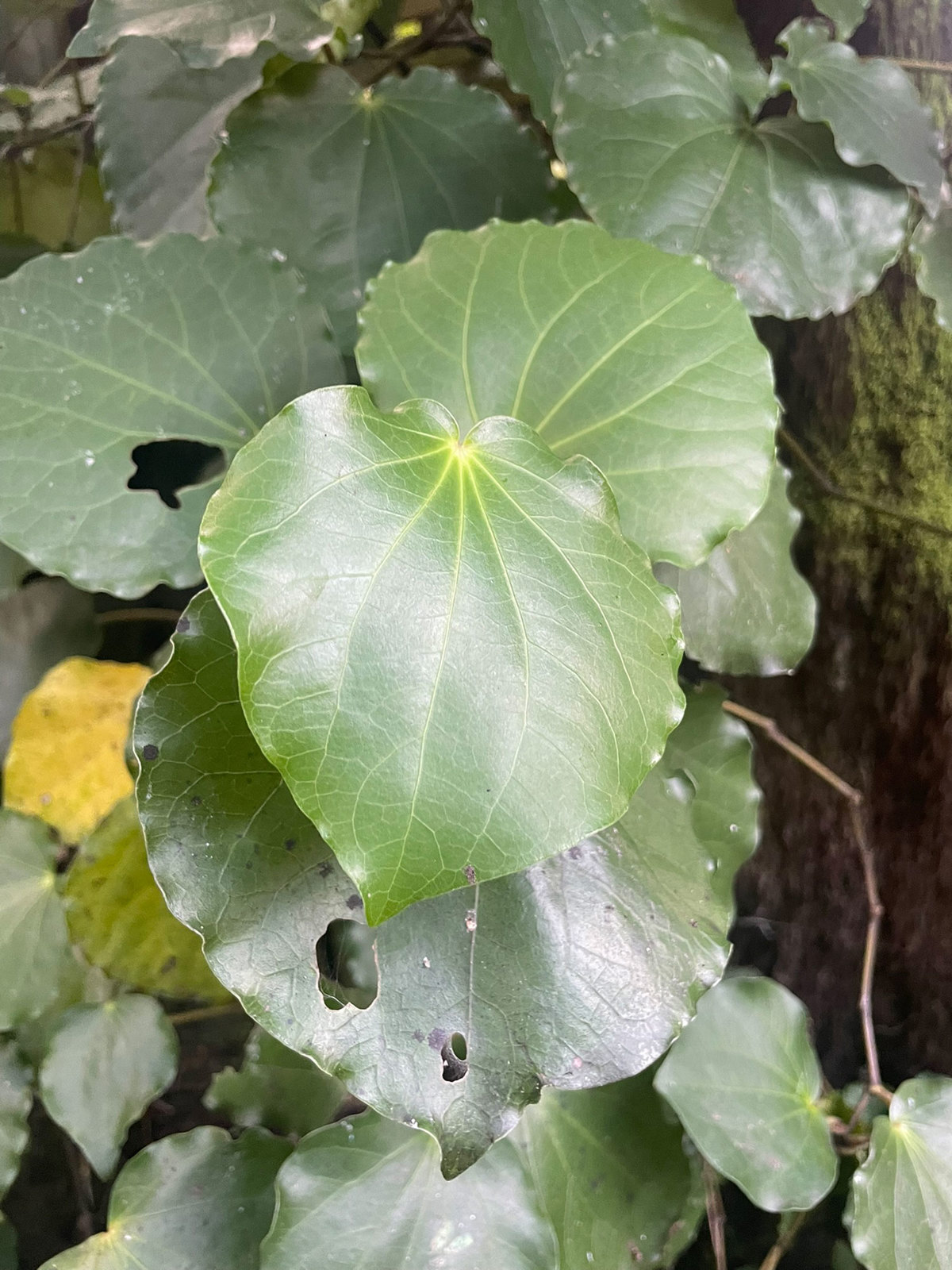
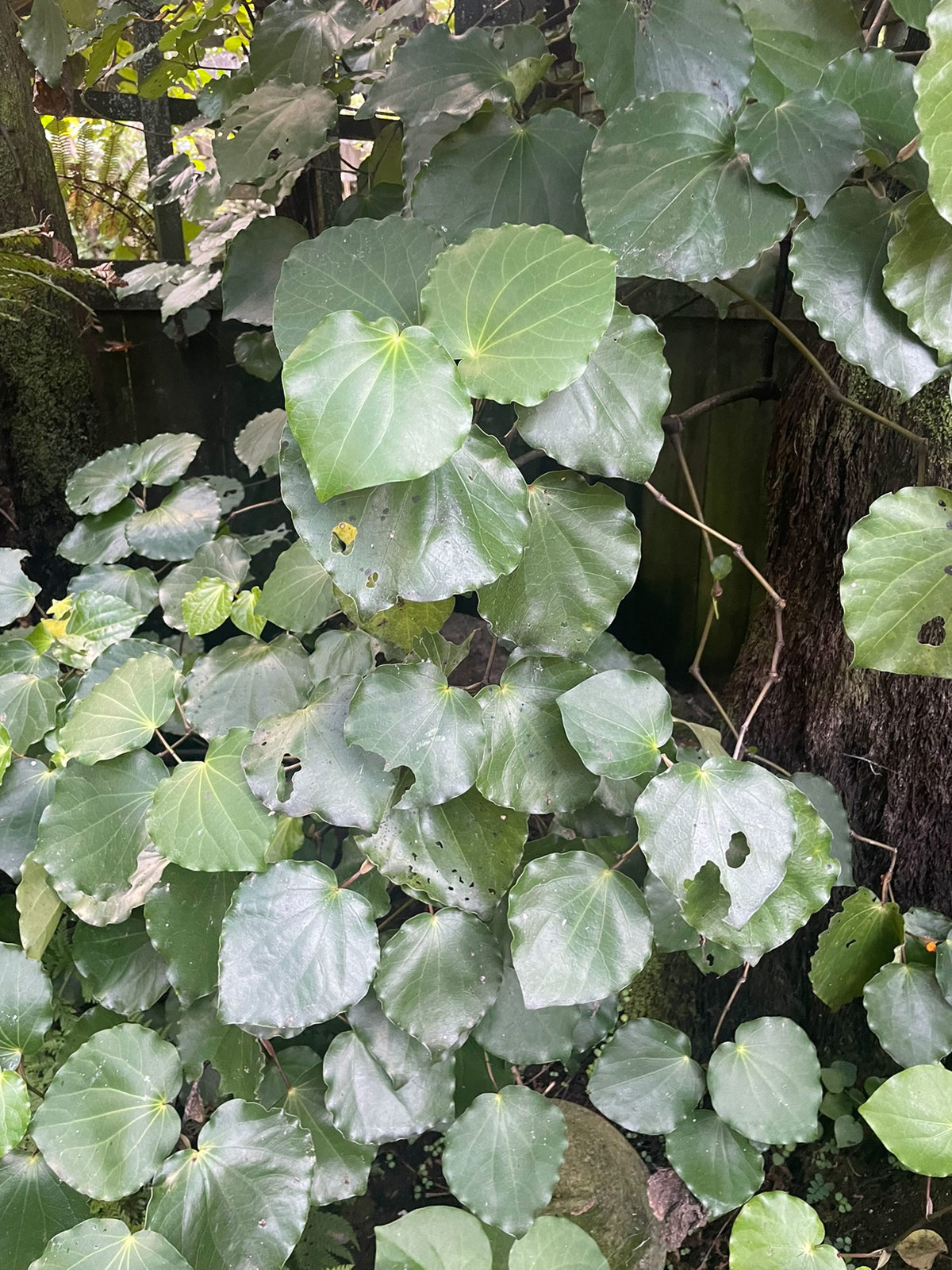
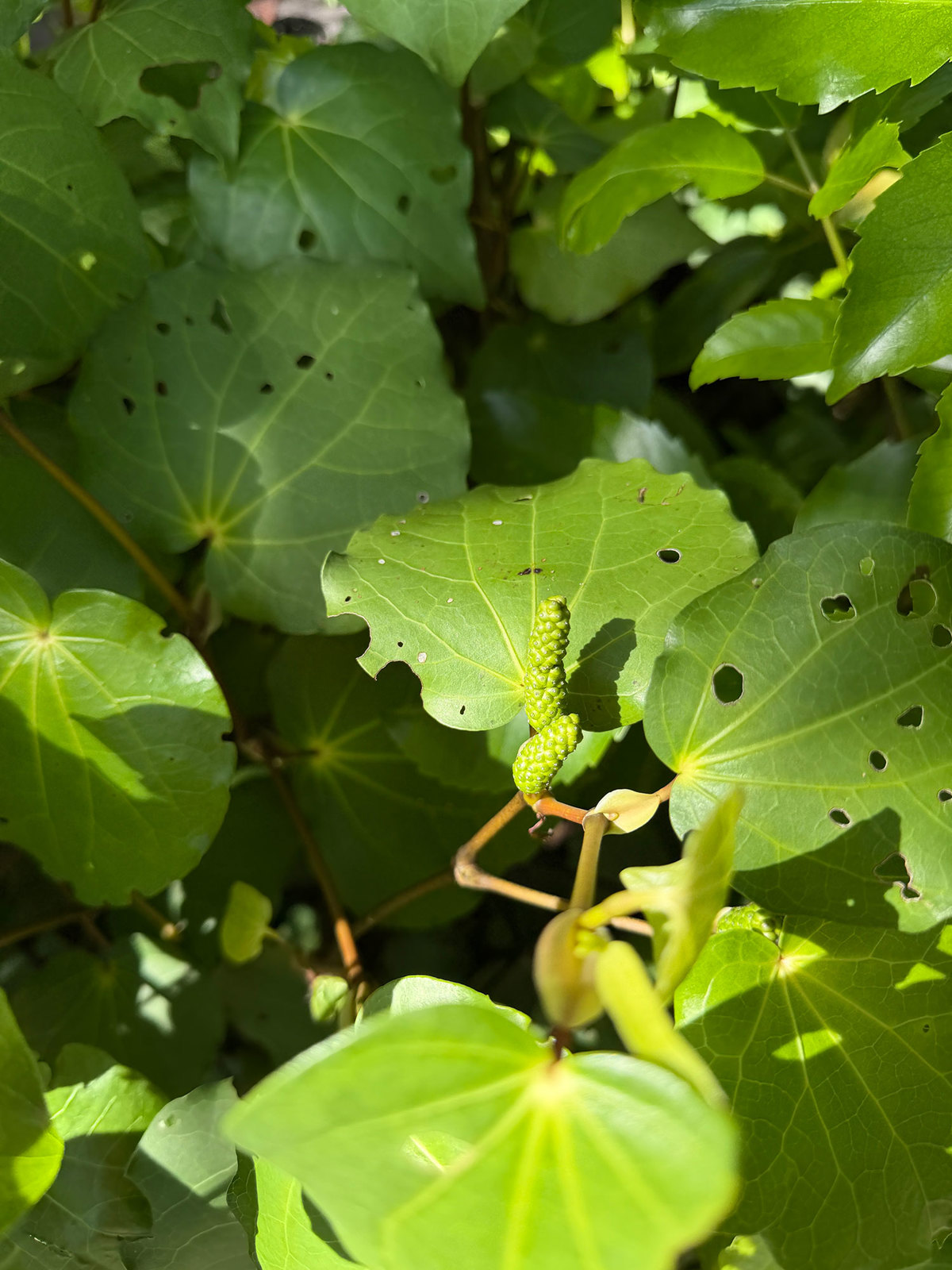
Kawakawa (Piper excelsum subsp. excelsum)
A well-known native shrub with distinctive heart-shaped leaves. Best suited to sheltered back-dune forest plantings. Berries provide food for birds.
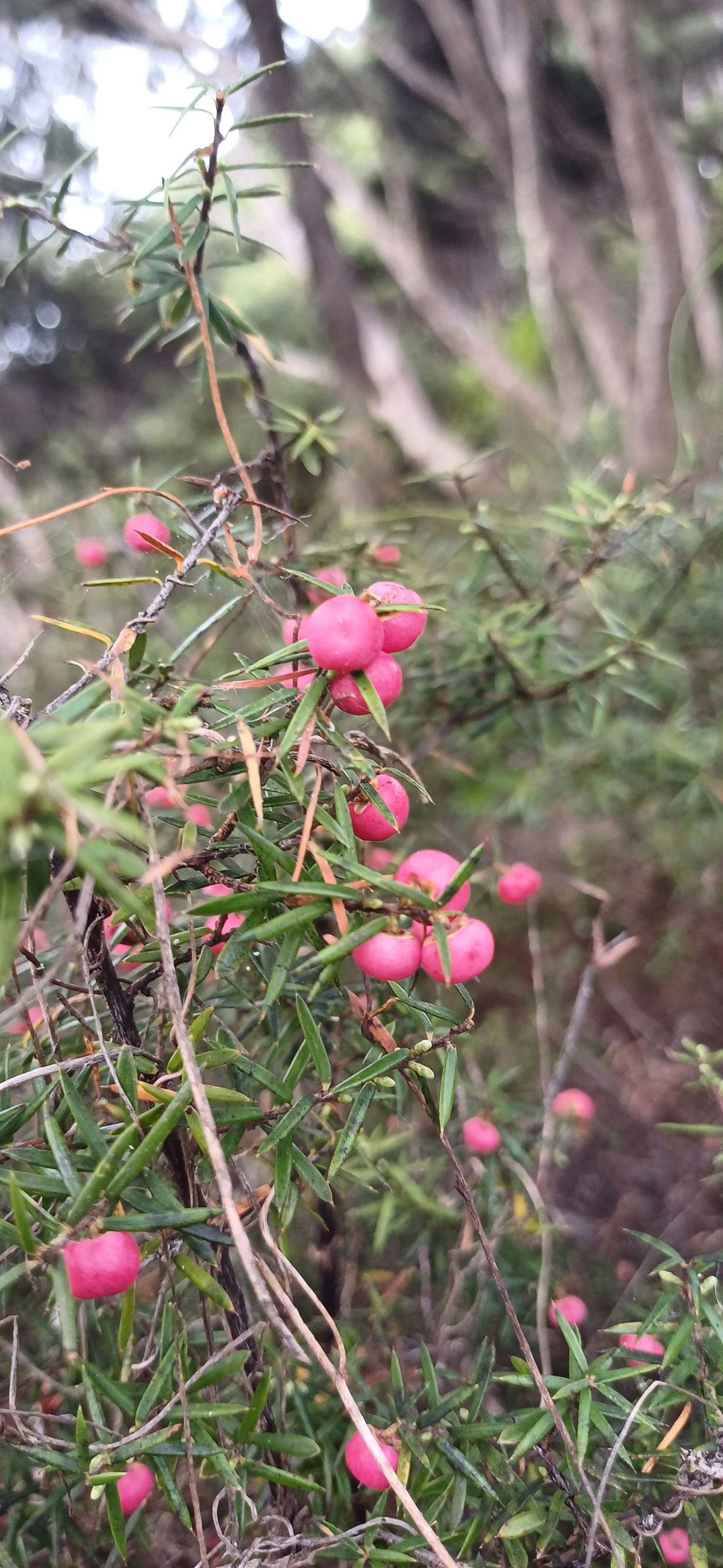
Mingimingi (Leucopogon fasciculatus)
A small coastal shrub adapted to windy, dry sites. Adds diversity and structural layering to restoration plantings. Berries may be pink or white and provide food for birds.
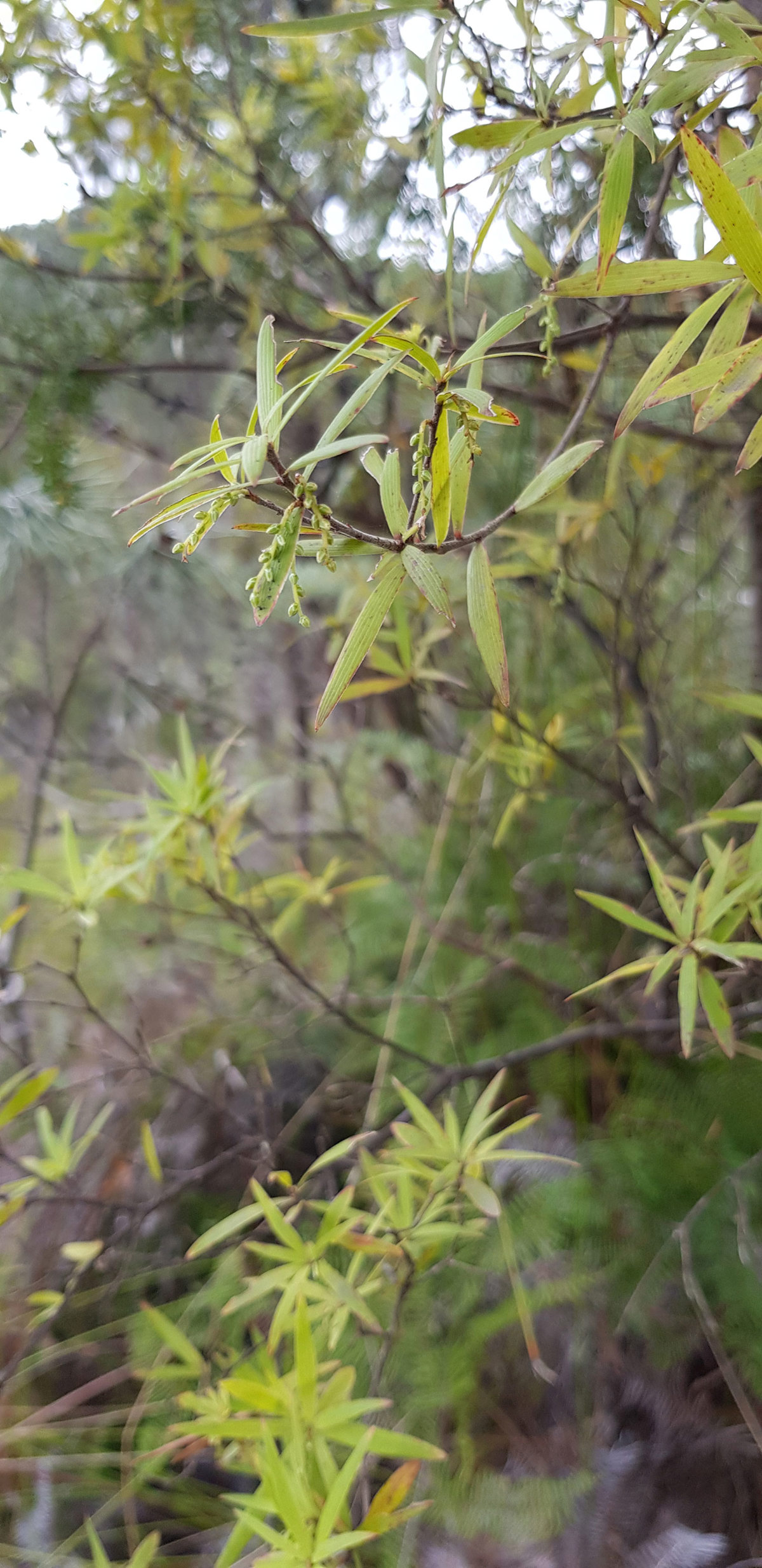
Kohekohe (Didymocheton spectabilis)
A forest tree suited to well-established back-dune systems. Best planted in sheltered locations as part of long-term forest restoration.